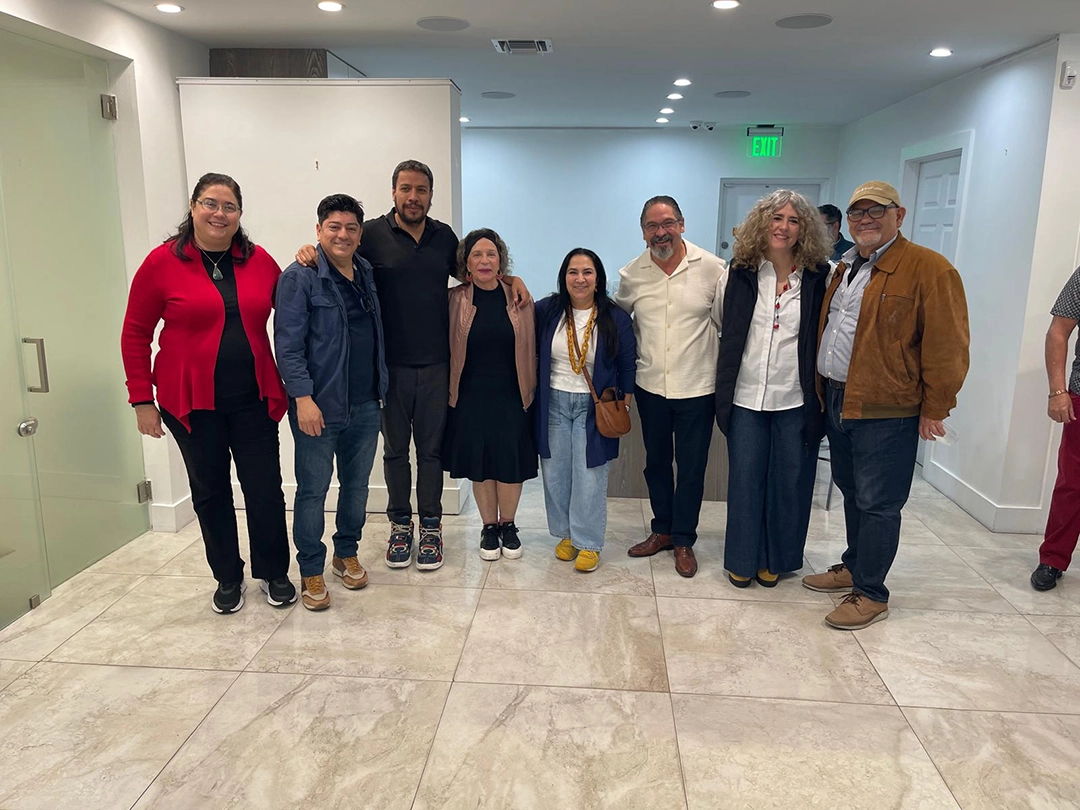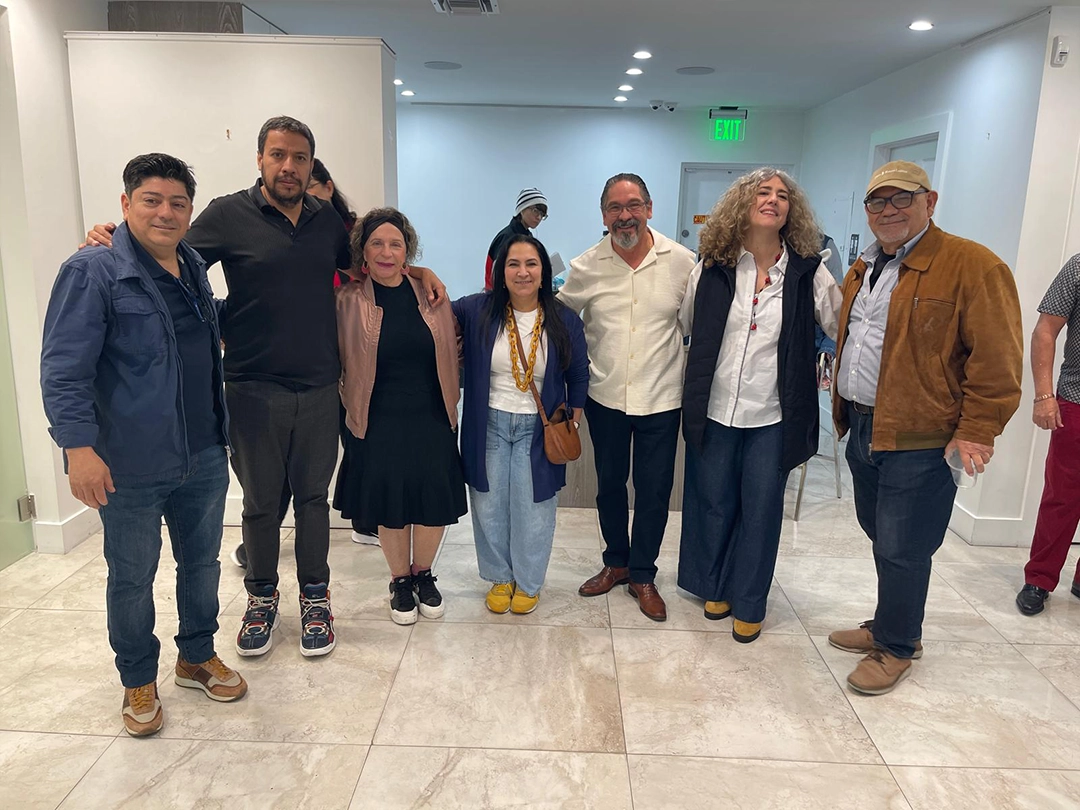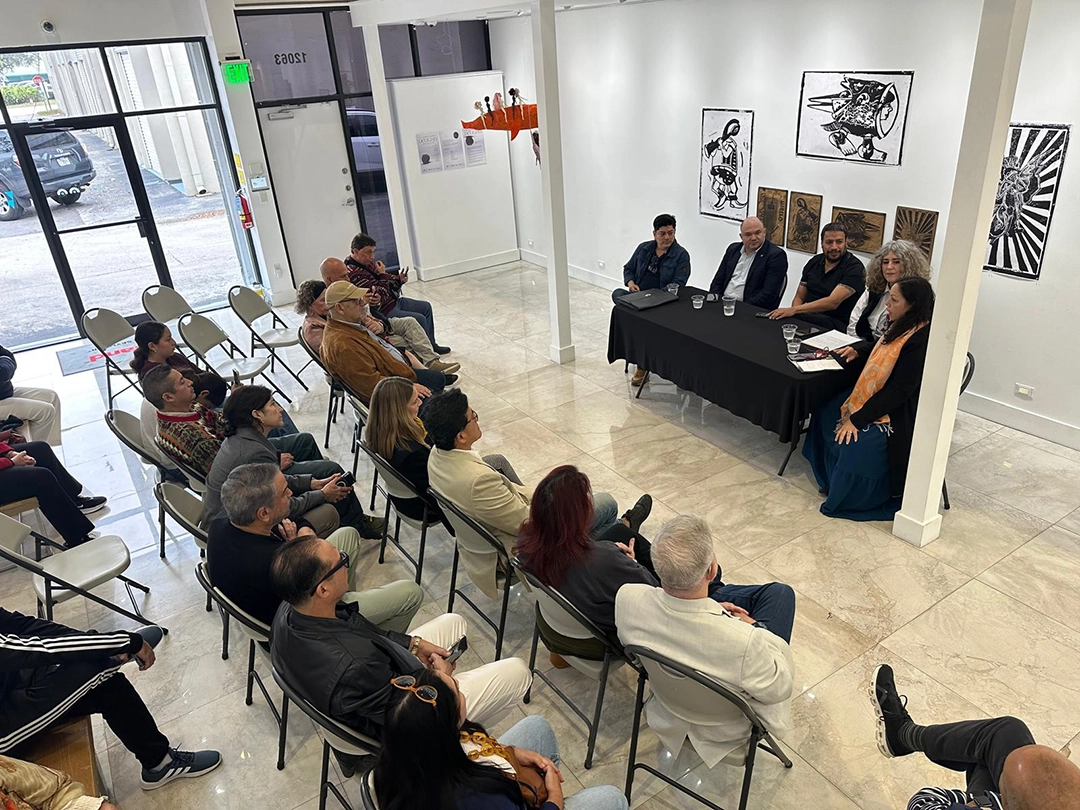
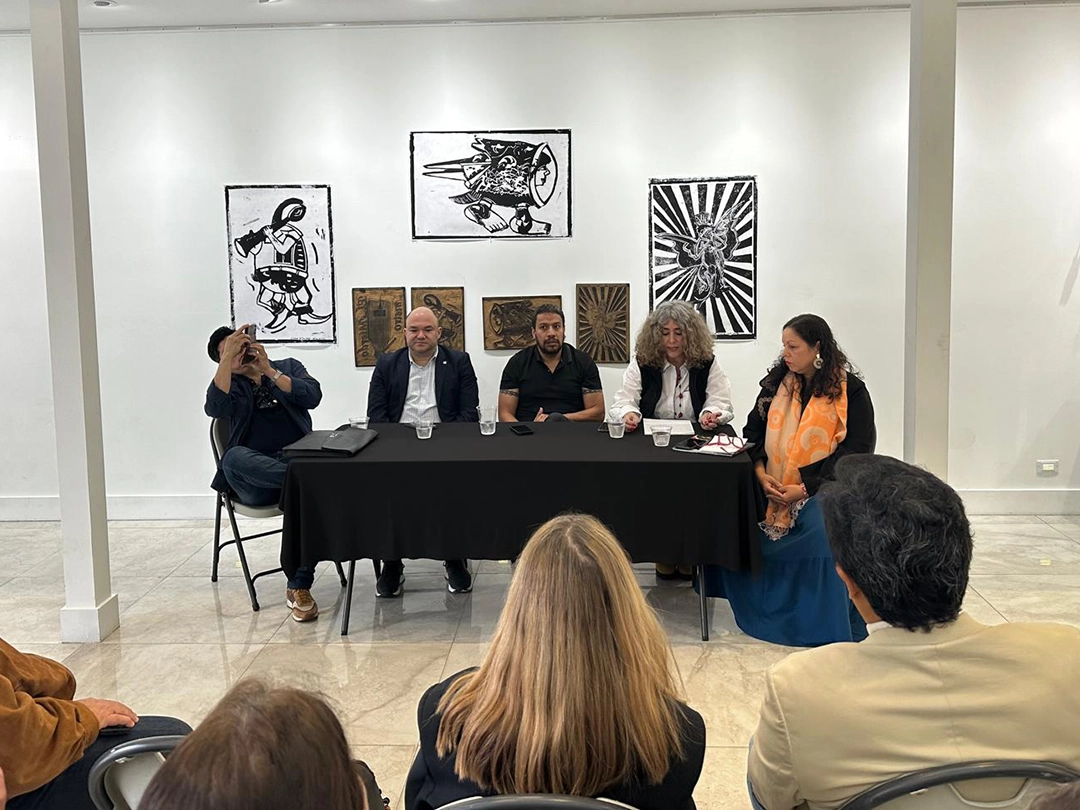
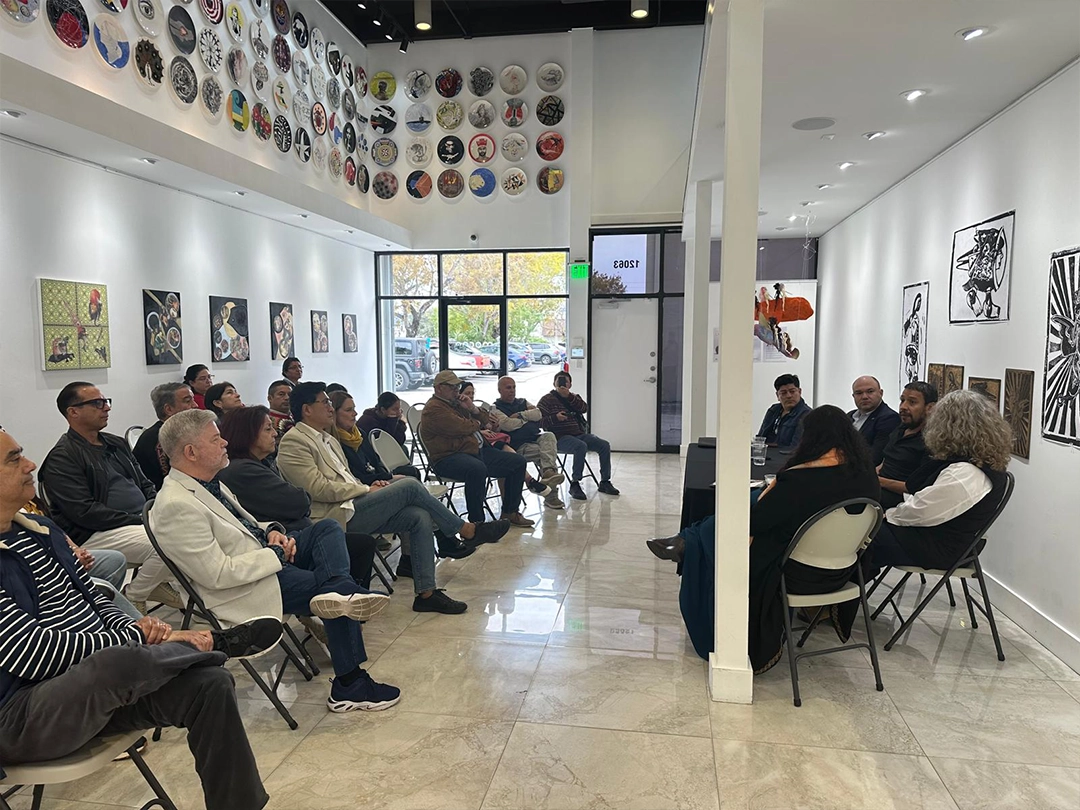
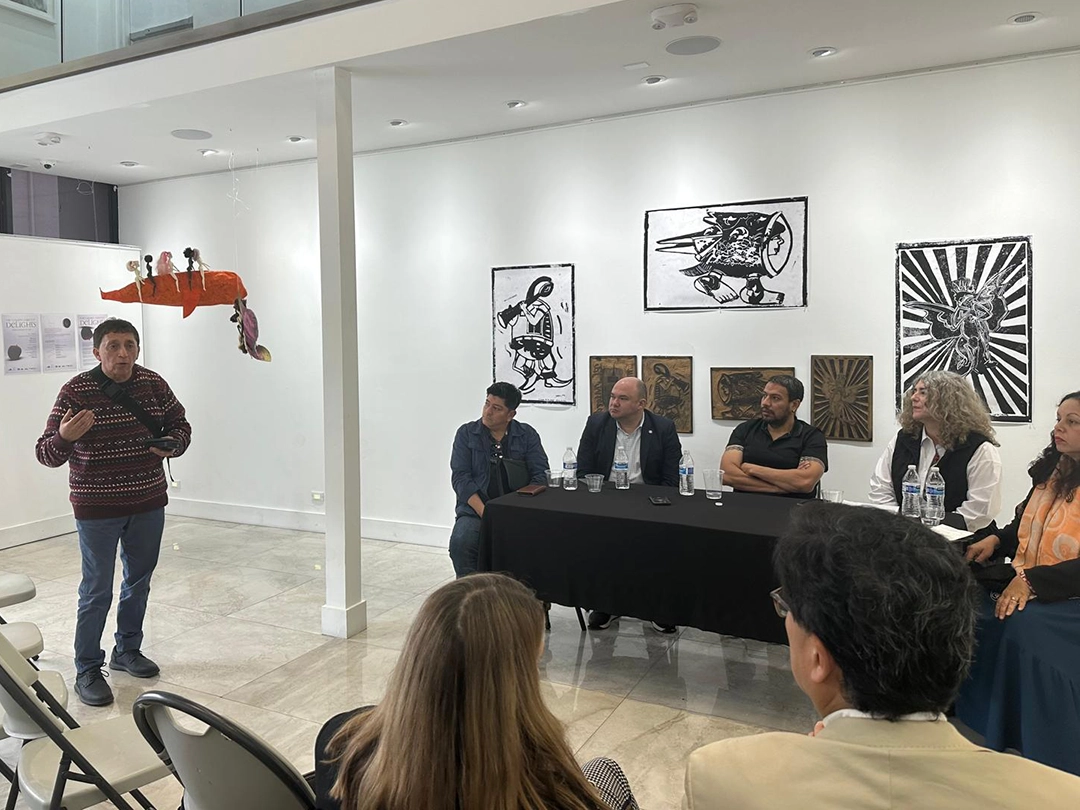
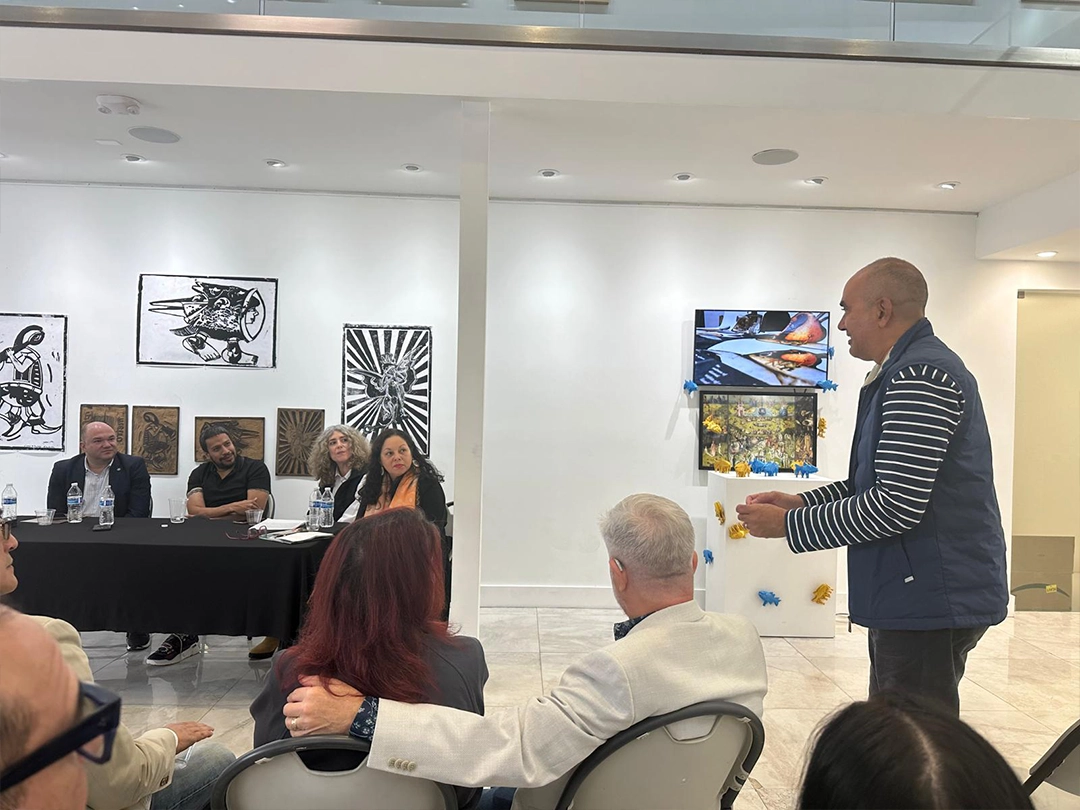
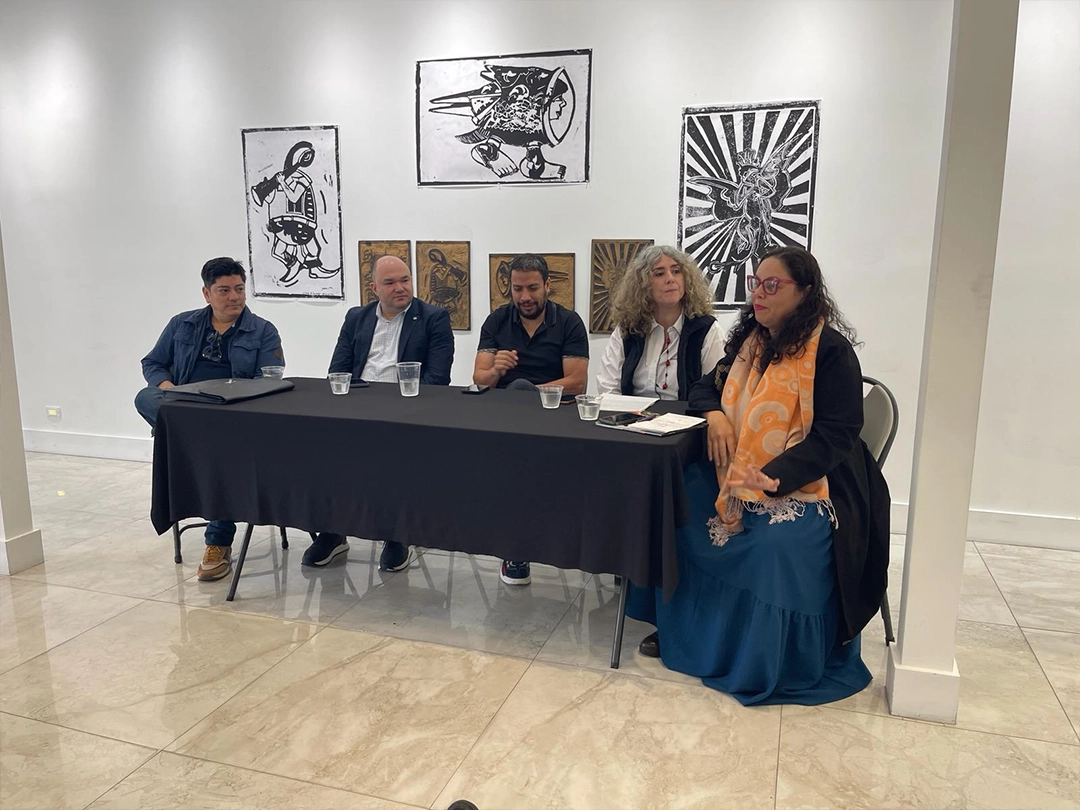
Last Saturday, the headquarters of the Museum of Contemporary Art of the Americas (MoCAA) hosted a keynote lecture and roundtable discussion led by curator and researcher Hernán Pacururu. The event brought together artists, art critics, curators, academics, and specialists from across Hispanic America.
The program centered on nomadic thought as an aesthetic, political, and philosophical model—a line of inquiry that challenges conventional formats of contemporary art, fixed notions of territory, and the presumed neutrality of the museum space. Through a critical reassessment of nomadism—understood not merely as physical displacement but as an epistemological and ethical position—Pacururu articulated the foundations of artistic practices in transit that privilege collective work, affective bonds, horizontal knowledge exchange, and direct engagement with specific social contexts.
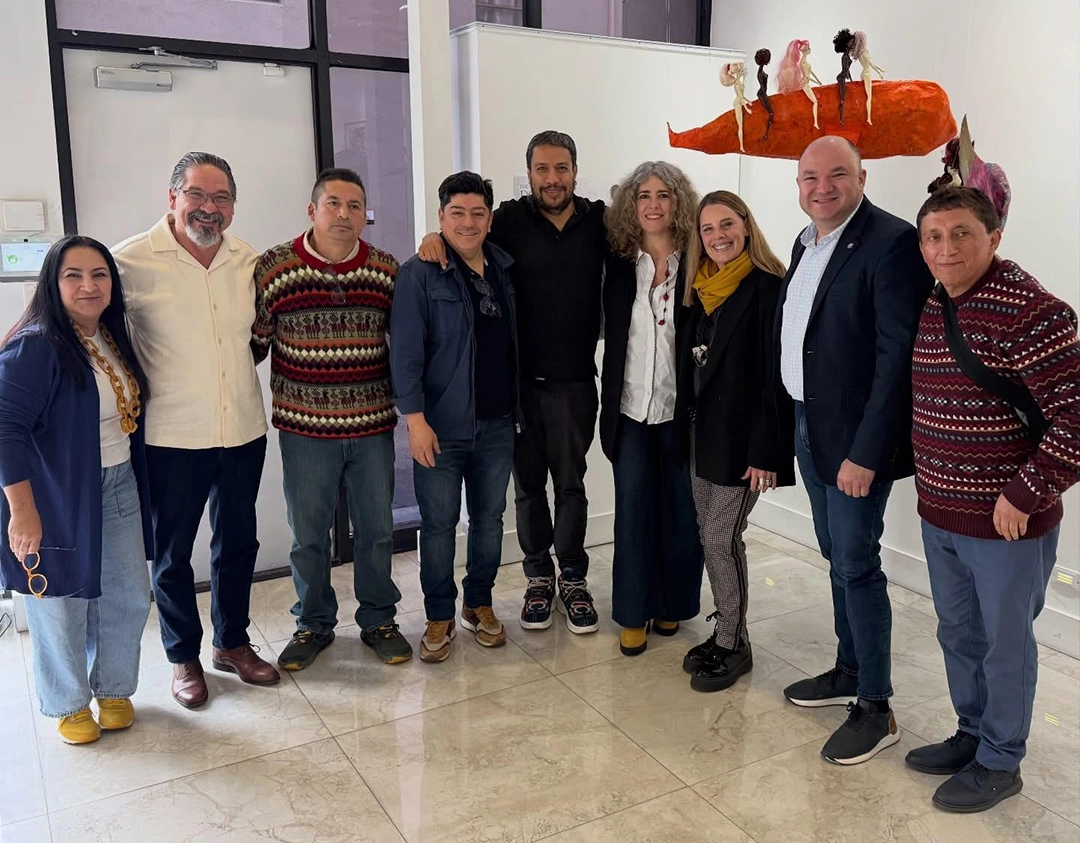
The lecture addressed international experiences associated with the Nomadic Biennial, an itinerant project that has developed site-specific interventions, residencies, congresses, and exhibitions throughout Latin America and Europe. By employing decentralized strategies, extended temporal processes, and deep community involvement, the project confronts the traditional biennial model. Far removed from spectacle and market-driven logic, its approach advances critical dispositifs that frame art as a situated, relational, and profoundly political practice.
The subsequent roundtable fostered an active exchange between the audience and the speaker, opening a plural space for dialogue on contemporary conditions of artistic production, the tensions between institutional frameworks and experimentation, and the role of art amid global phenomena such as migration, precarity, identity crises, and the reconfiguration of cultural communities.
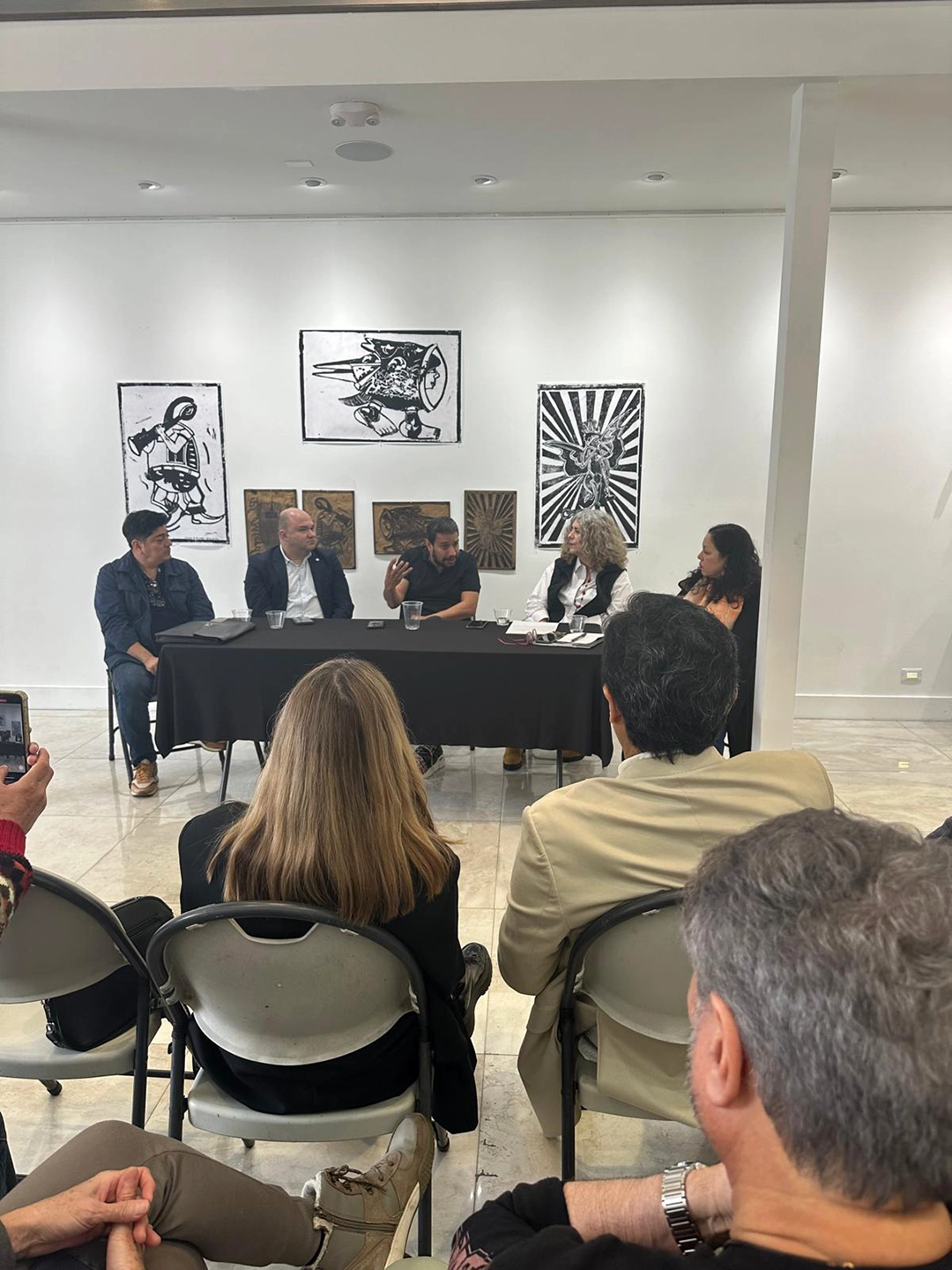
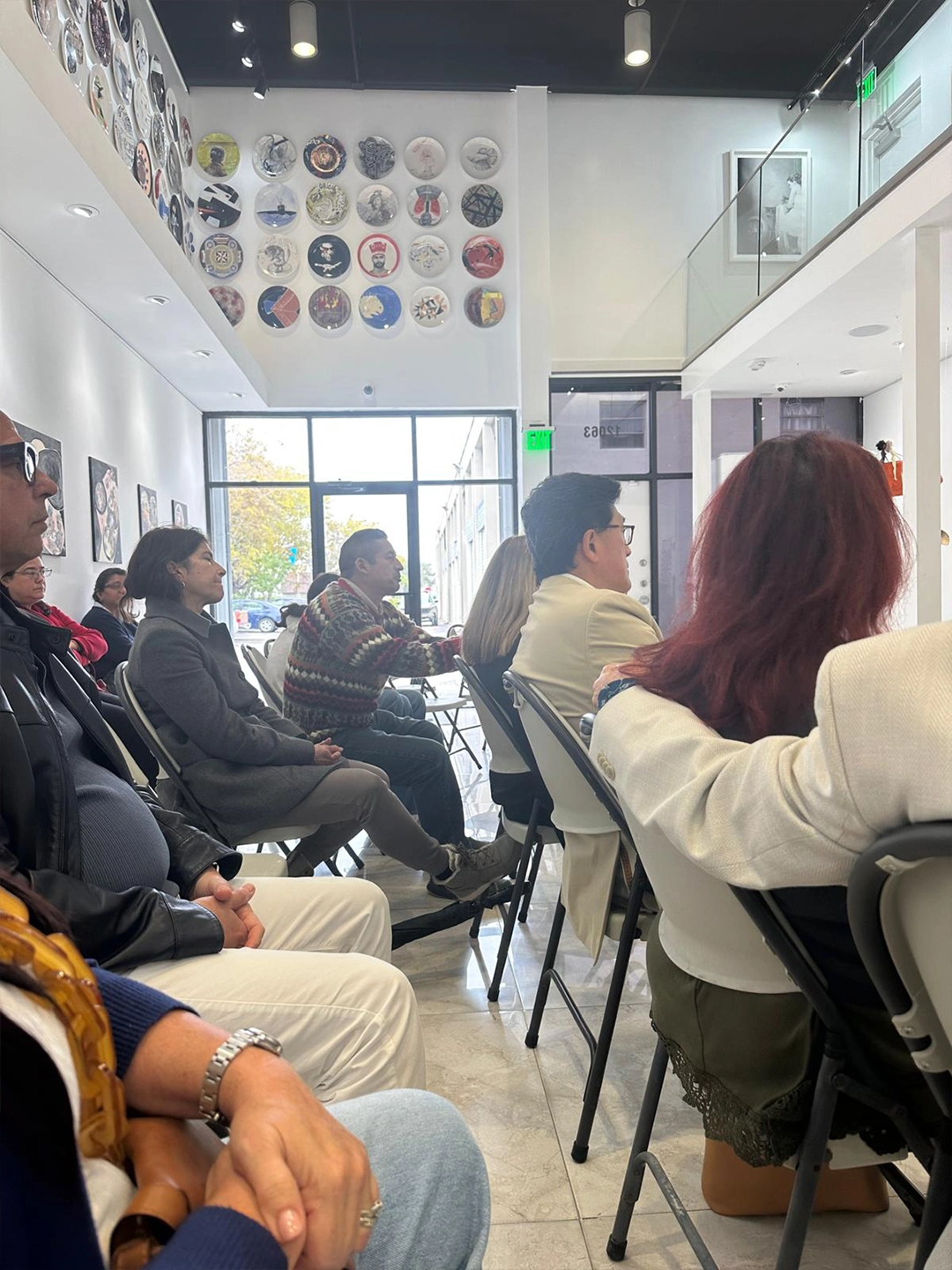
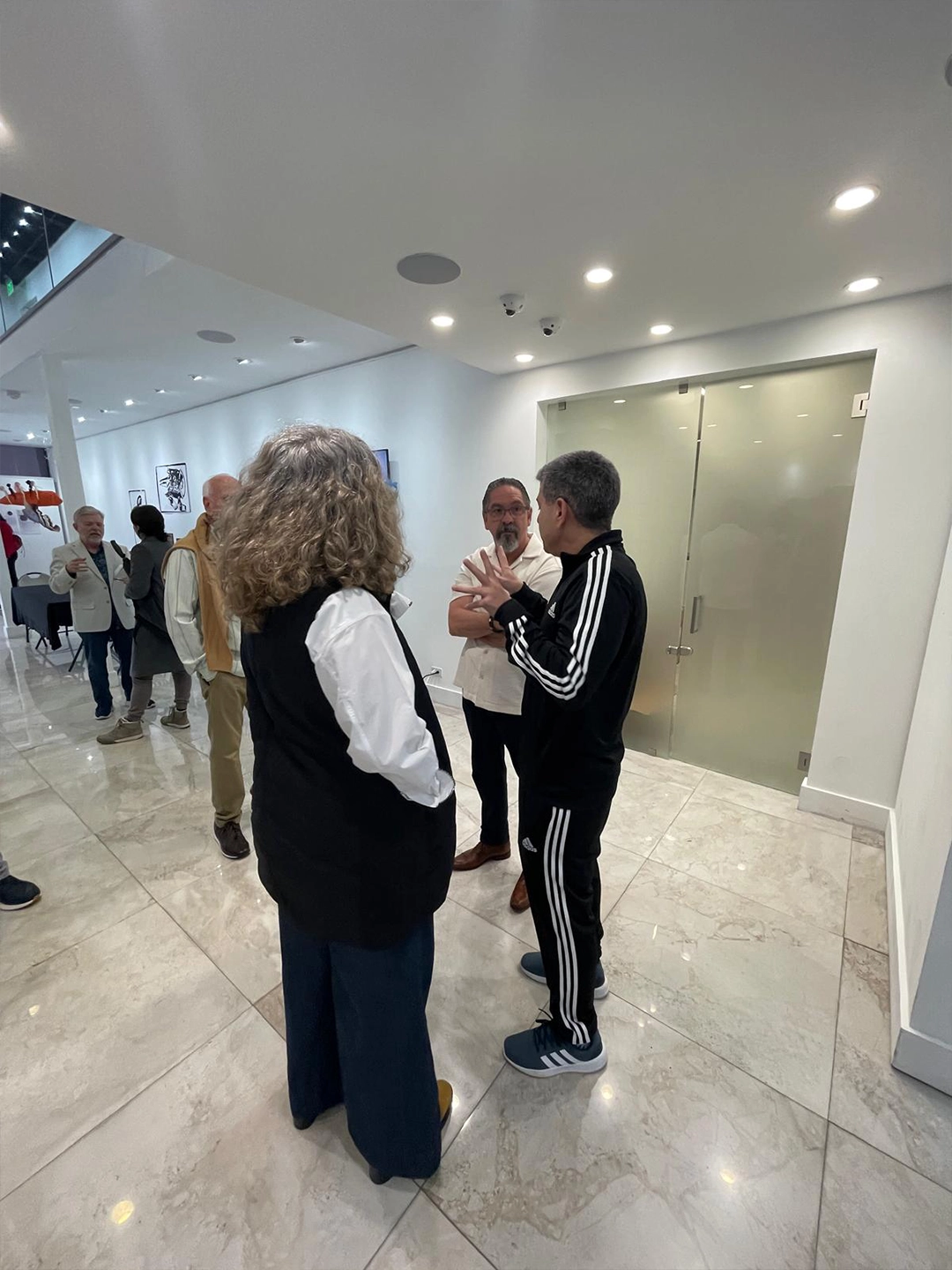
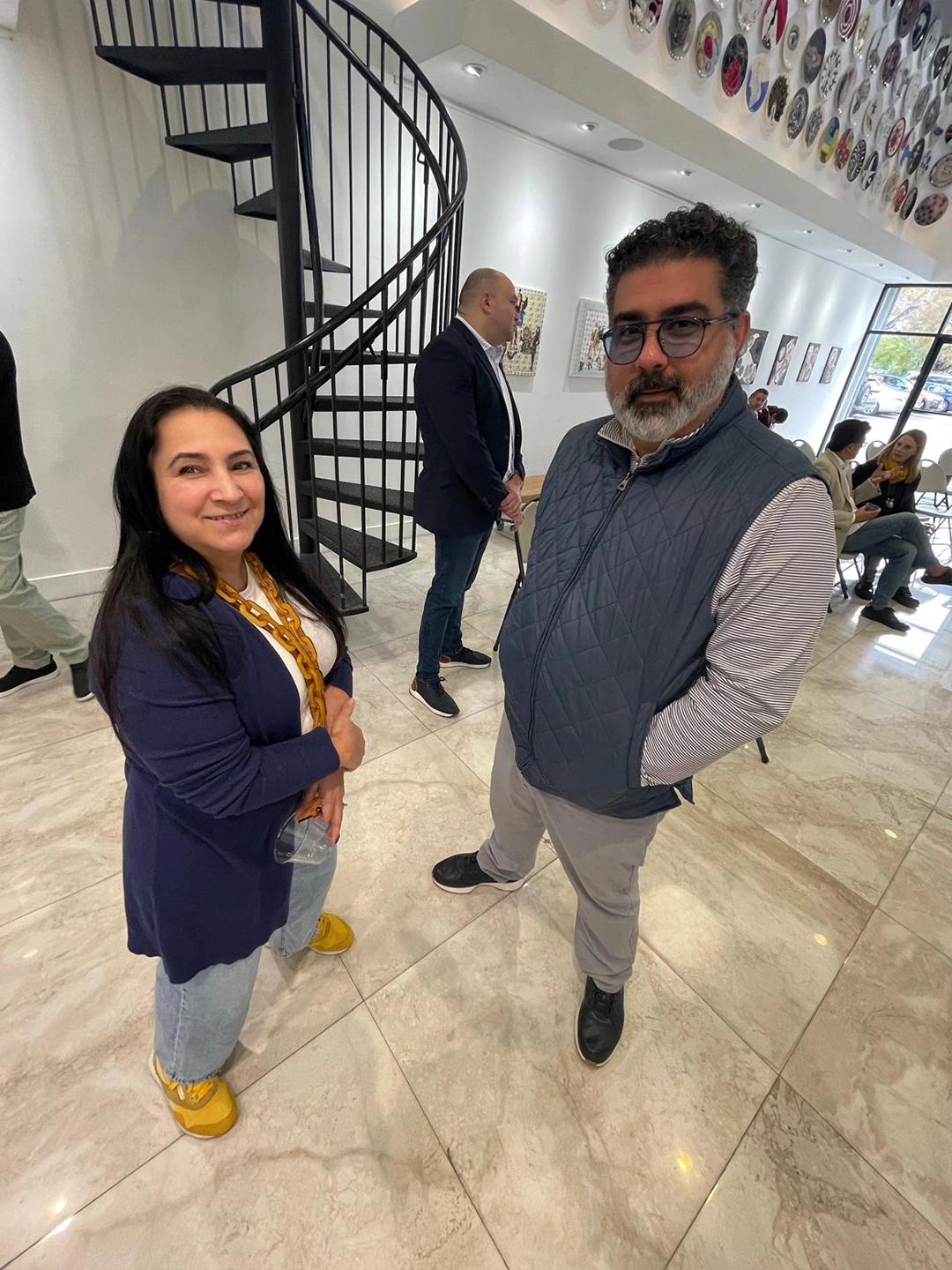

For South Florida and Miami-Dade County, the gathering marked a significant moment of regional and international articulation, reaffirming MoCAA as a vital platform for critical thought, contemporary debate, and exchange among diverse artistic scenes. The strong participation of creators and specialists from across the Ibero-American world underscored a growing interest in alternative models of cultural production and the pressing need to reconsider—here and now—the ways in which art circulates, convenes, and generates meaning within our societies.