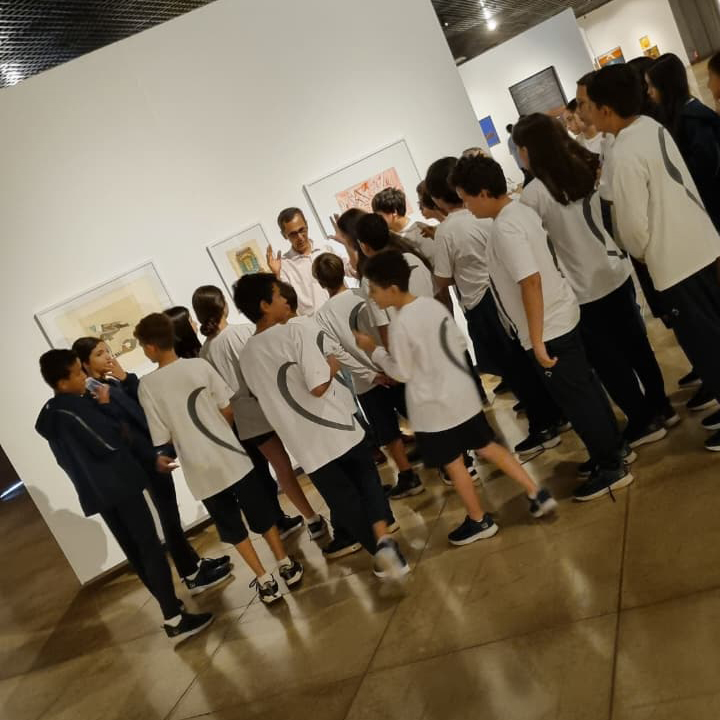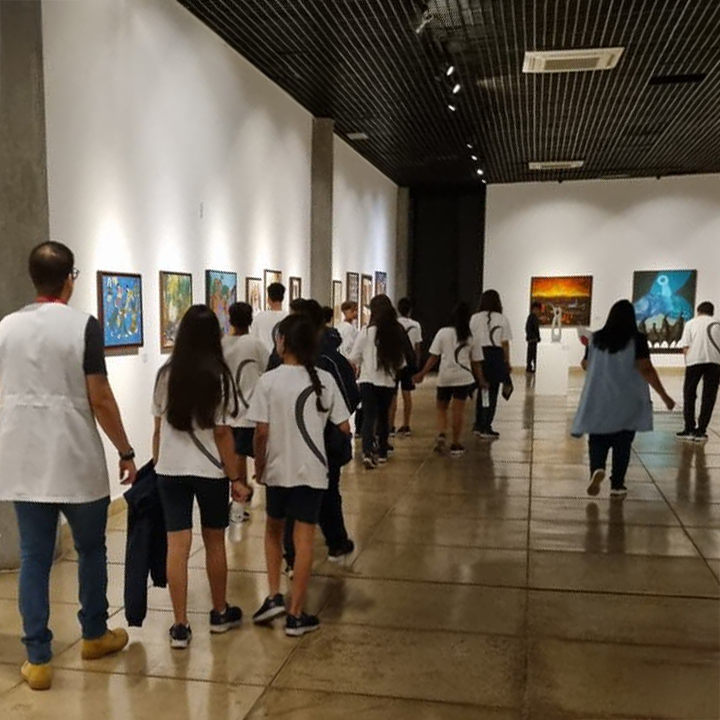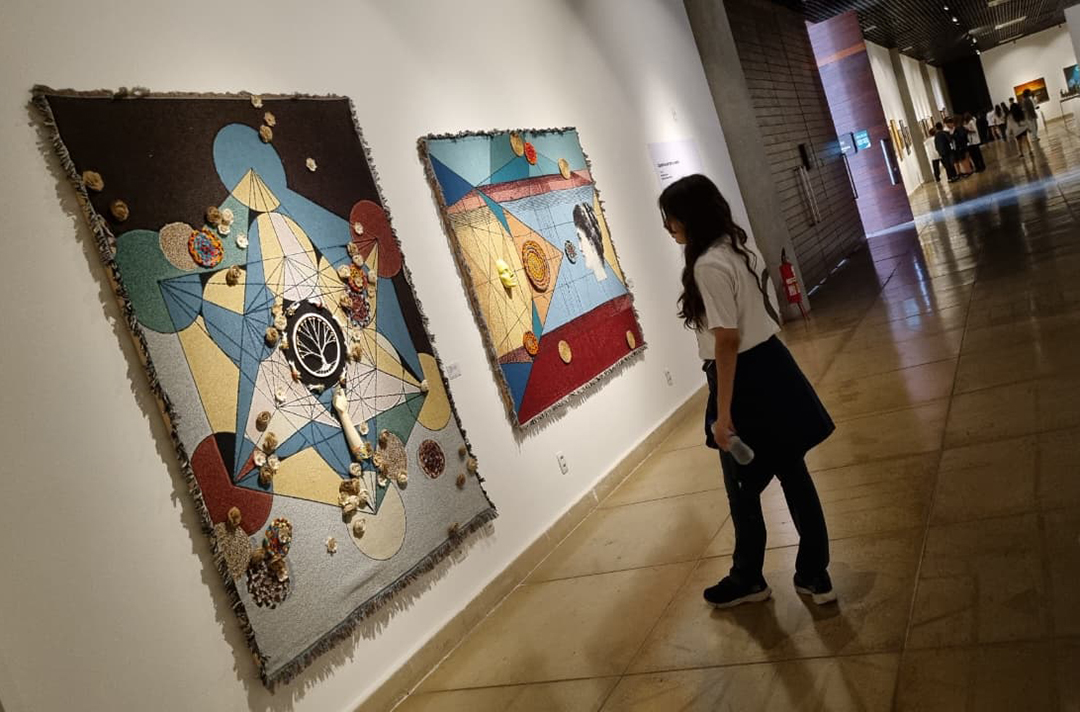
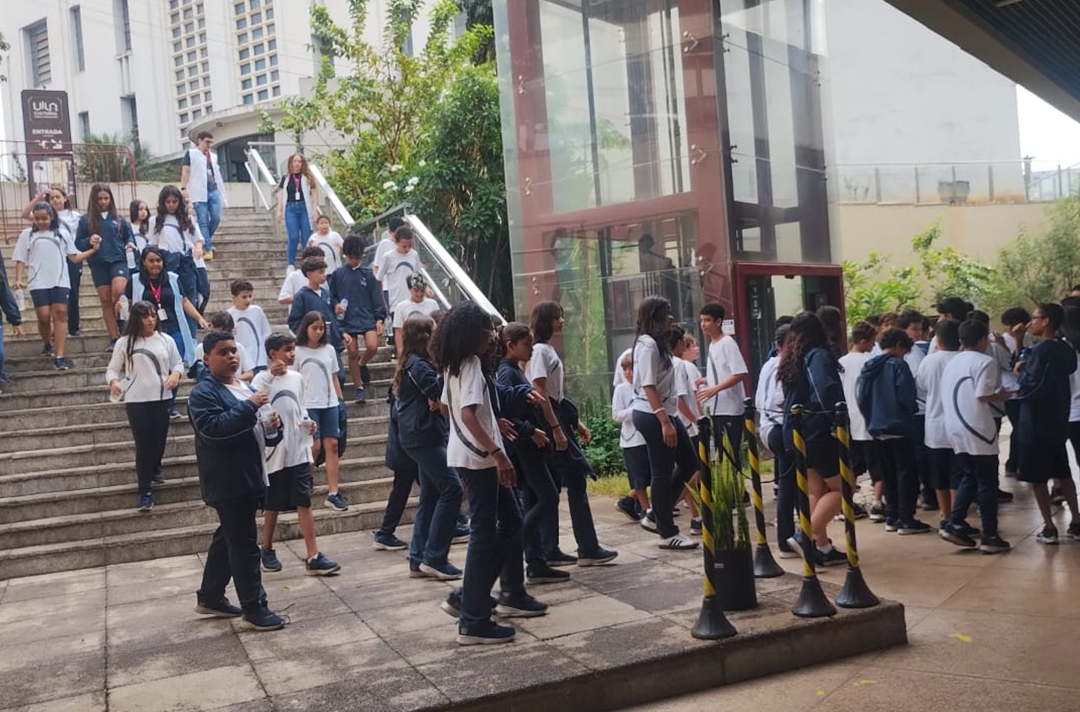
In recent days, groups of children visited “Paths of Earth and Wind / Caminhos de Terra e Vento,” a binational project conceived by Instituto Urukum (Goiás, Brazil) in partnership with the Museum of Contemporary Art of the Americas (MOCAA). Opened on Tuesday, October 21, 2025 at the Vila Cultural Cora Coralina in Goiânia, the exhibition gathers more than one hundred works by over ninety artists, under the joint curatorship of Dayalis González Perdomo (Miami) and Aguinaldo Coelho (Goiás), with support from the Government of Goiás through Programa Goyazes. Its institutional architecture—public funding, cultural initiative, and museum collaboration—was conceived as a continental gesture, inviting viewers to read the art of the Americas through networks rather than borders.
That children should walk through an exhibition originating in another country is far more than an extracurricular outing; it is a laboratory for cultural citizenship. Confronted with works that address territory, landscape, memory, and mobility, young visitors begin to assemble a new grammar: they name textures they have never seen, imagine climates they do not inhabit, and compare materials and narratives that widen their horizon. In this exercise in visual literacy, high-order cognitive processes—classification, inference, hypothesis building—surface and later translate into language, writing, and discussion. The museum does not replace the classroom; it expands it.
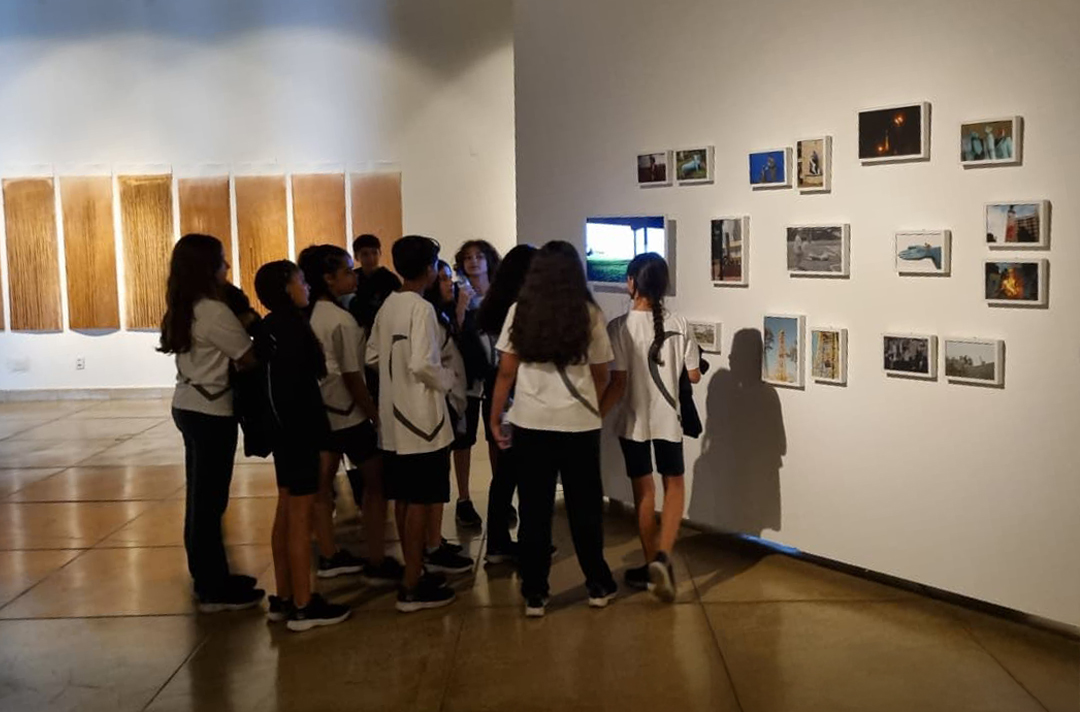
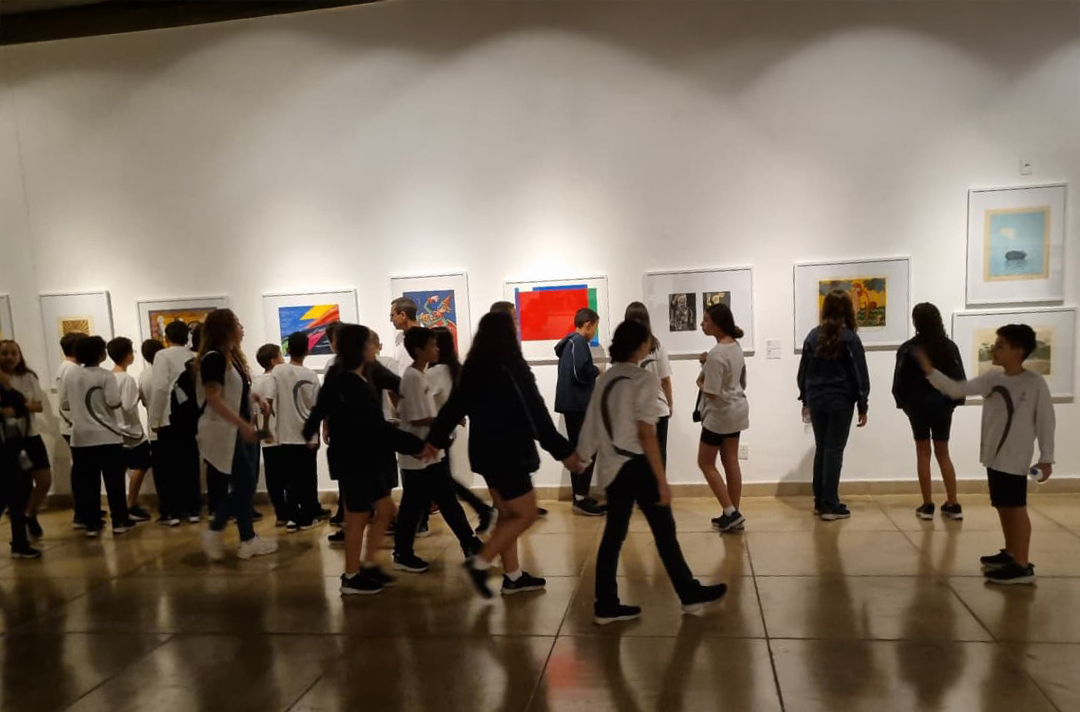
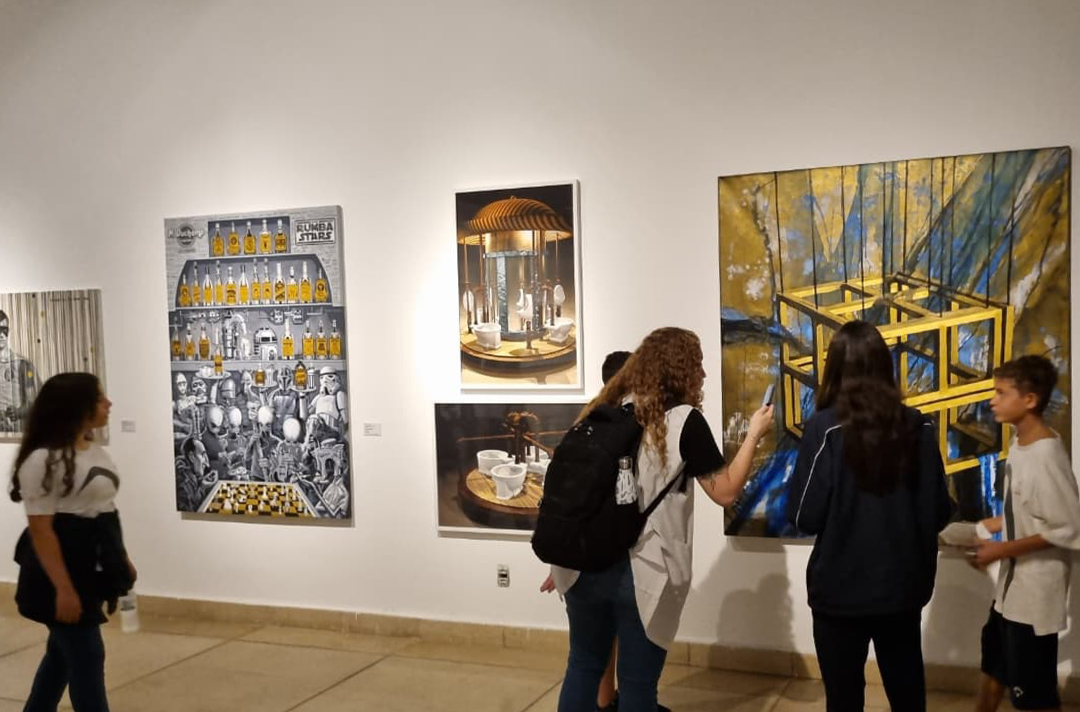

The experience also yields socio-emotional growth that is hard to reproduce elsewhere. Encountering works born in Brazil’s Cerrado and discussing them in dialogue with educators activates intercultural empathy: it reveals that landscape is not mere geography but a weave of community and care. Essential questions arise—what exactly do we safeguard when we safeguard a place?—linking the affective world of childhood to broader public conversations. In this sense, art functions as a shared language in which difference does not divide but enriches attention.
Workshops following each visit operate as a second reading: drawings, low-relief textures, short notes—affective cartographies that return, in each child’s own gesture, what the galleries first proposed. Moving from “I don’t understand” to “I can try” trains a situated creativity that marries intuition and method: choosing, discarding, trying again. This passage from spectator to maker is not incidental; it converts curiosity into symbolic action and anchors learning in experience. Along the way, it strengthens collaborative skills—listening, turn-taking, perspective-taking—essential to community life.
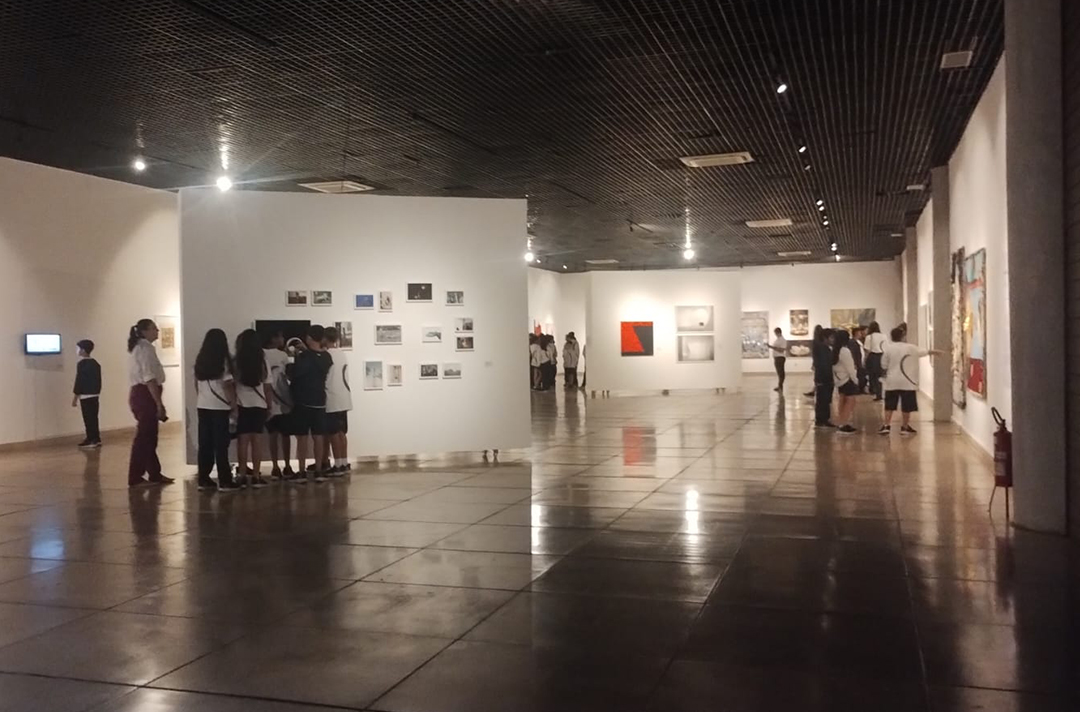
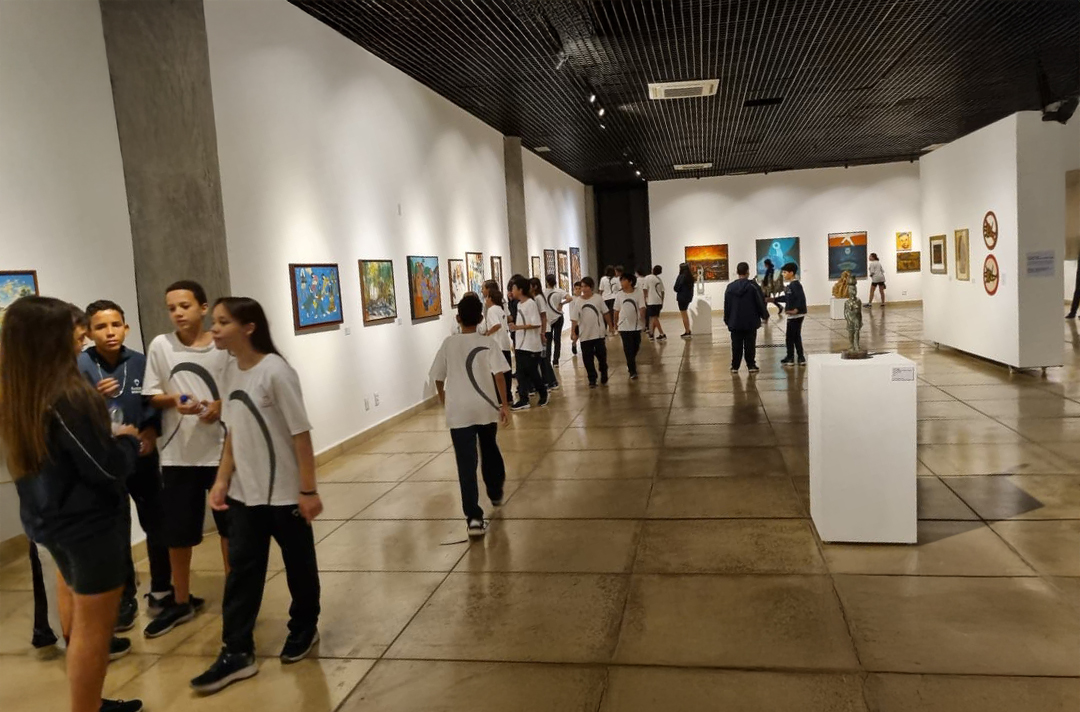
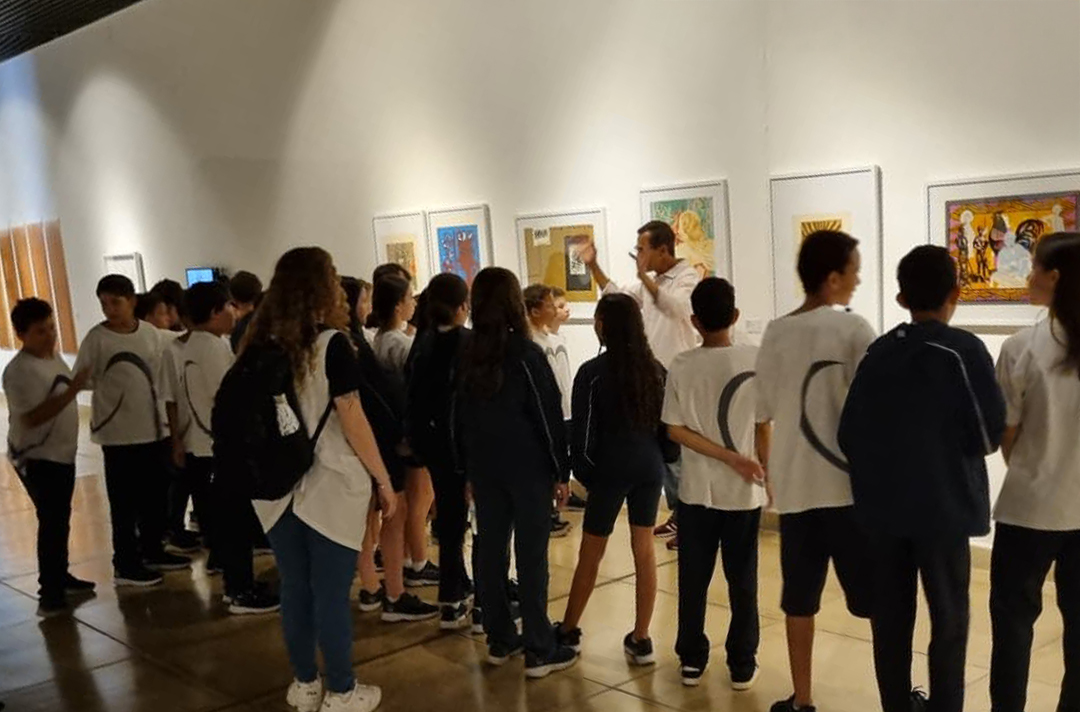

From an institutional vantage, “Paths of Earth and Wind” demonstrates that collaboration between Goiás and South Florida is not an episodic exchange but cultural infrastructure. Coverage in the Brazilian press, the prospect of large-scale attendance, and a transnational curatorial alliance validate a model with direct educational impact: residencies, teacher resources, cross-programming. For MOCAA, children stepping into this hemispheric conversation is a way to seed continuity—to form publics capable of recognizing the continent’s aesthetic diversity and participating actively in its ongoing narrative.
Ultimately, these school visits are not a charming photo for institutional archives. They are rehearsals for the future: quiet acts of cultural diplomacy in which imagination becomes a practice of care and curiosity becomes a method. If the exhibition’s wind lifts Cerrado dust toward other latitudes, each group of students turns that drift into situated learning—learning to look far so as to think nearer; discovering that when art crosses borders, it teaches us how to inhabit our own place more fully.