


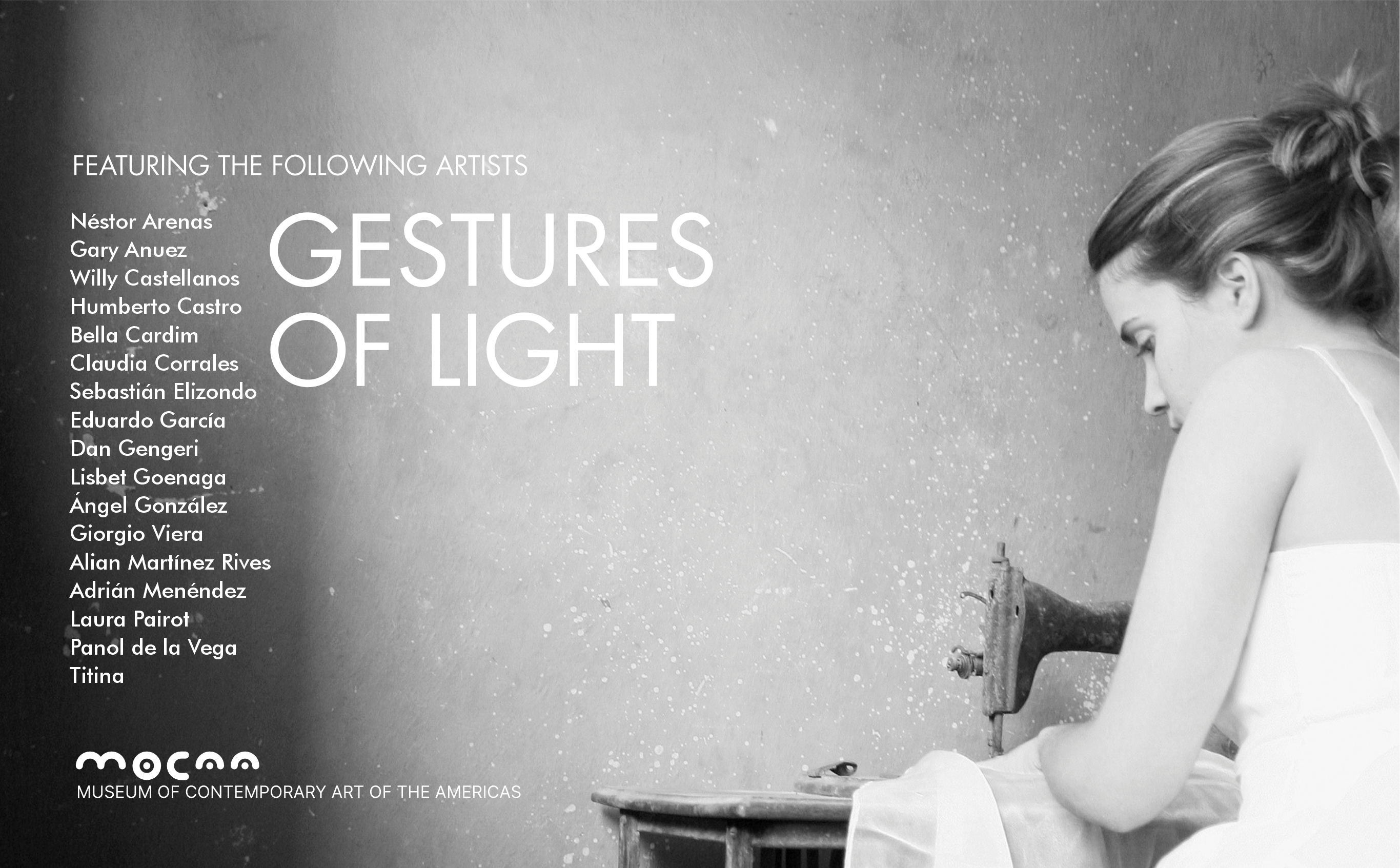
The Museum of Contemporary Art of the Americas (MOCAA) inaugurated on January 30, 2026, a photography exhibition drawn from the Rodriguez Collection, presented in parallel with the museum’s broader program addressing diversity, representation, and contemporary artistic practice. Conceived as a complementary exhibition, the show offers a focused yet expansive reading of Cuban photography, bringing together works produced both on the island and in exile, and situating them within a broader narrative of continuity, rupture, and transformation.
The Museum of Contemporary Art of the Americas (MOCAA) inaugurated on January 30, 2026, a photography exhibition drawn from the Rodriguez Collection, presented in parallel with the museum’s broader program addressing diversity, representation, and contemporary artistic practice. Conceived as a complementary exhibition, the show offers a focused yet expansive reading of Cuban photography, bringing together works produced both on the island and in exile, and situating them within a broader narrative of continuity, rupture, and transformation.
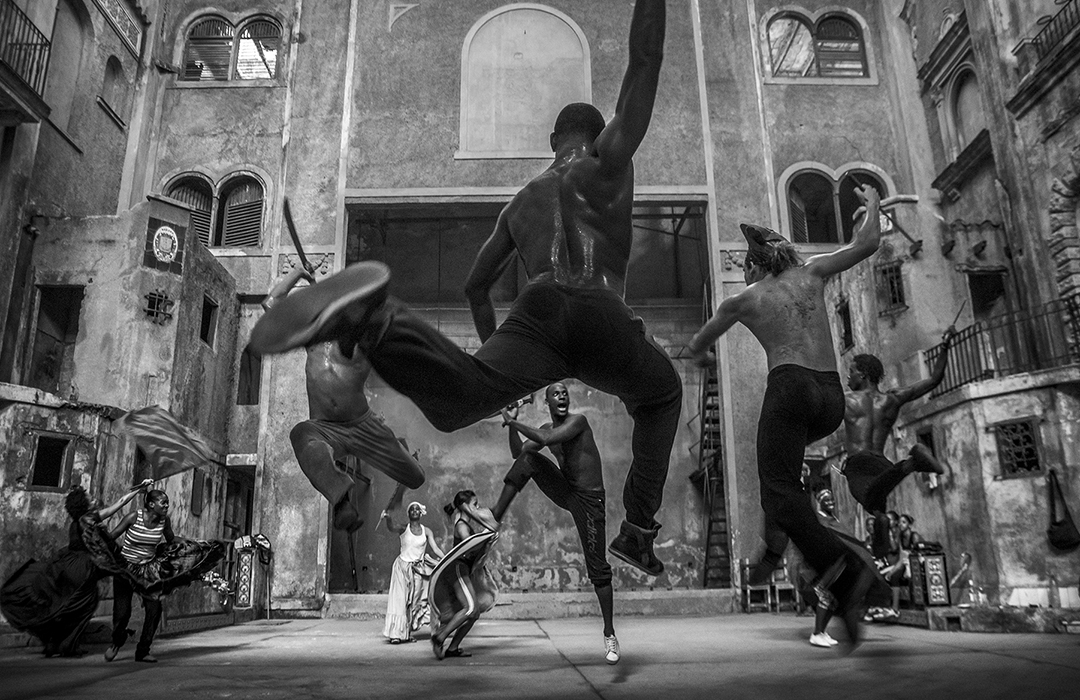
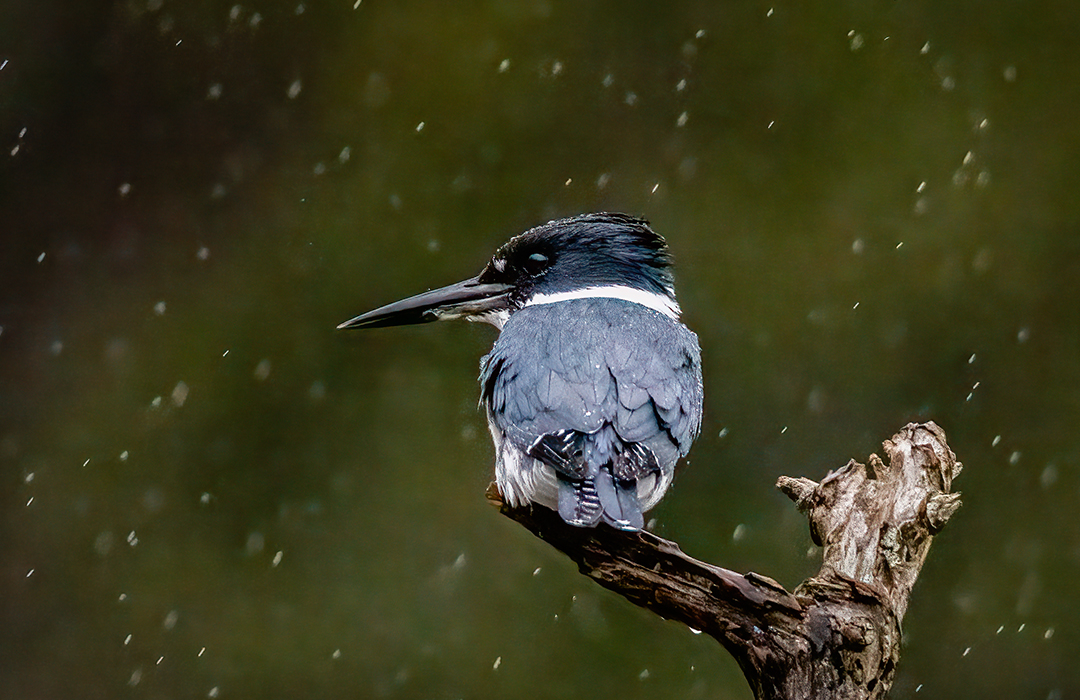
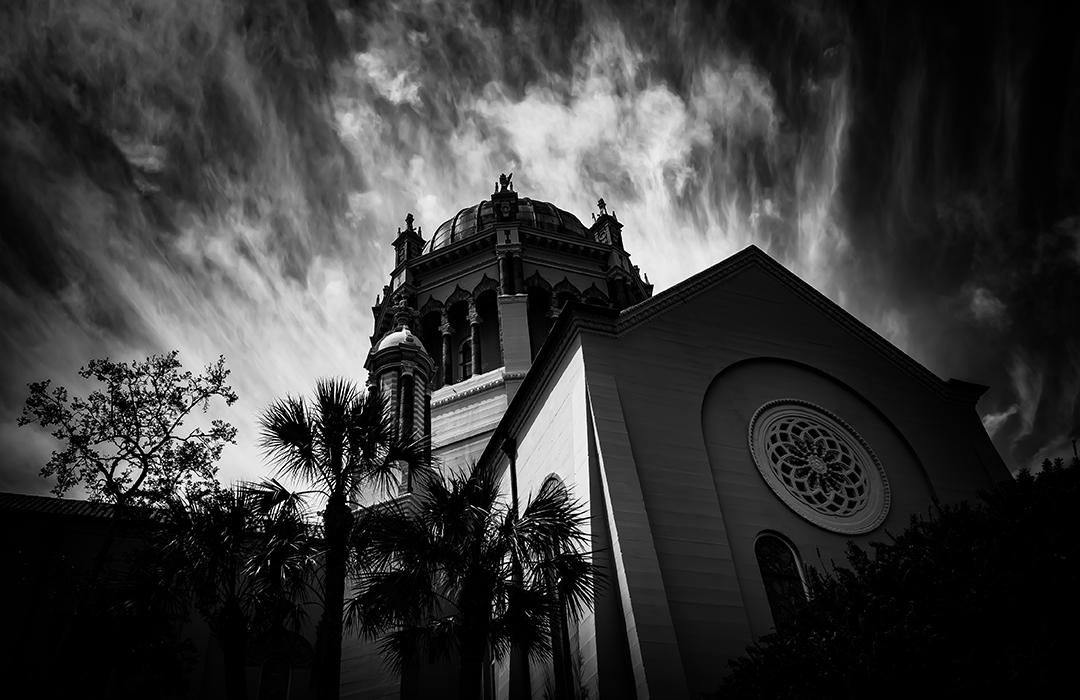
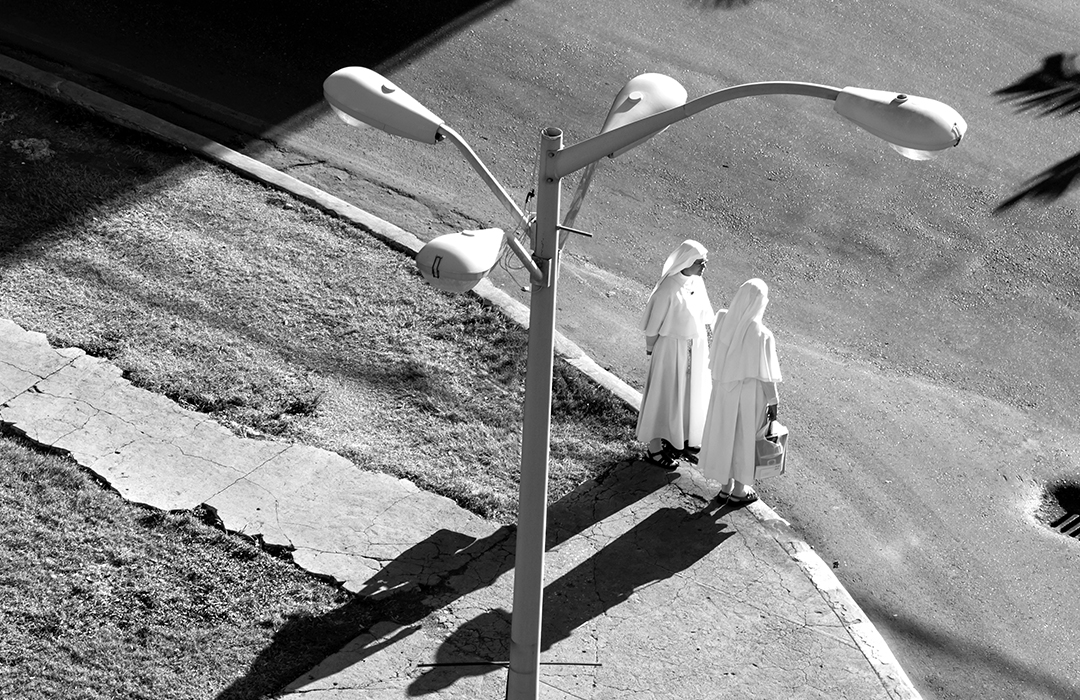

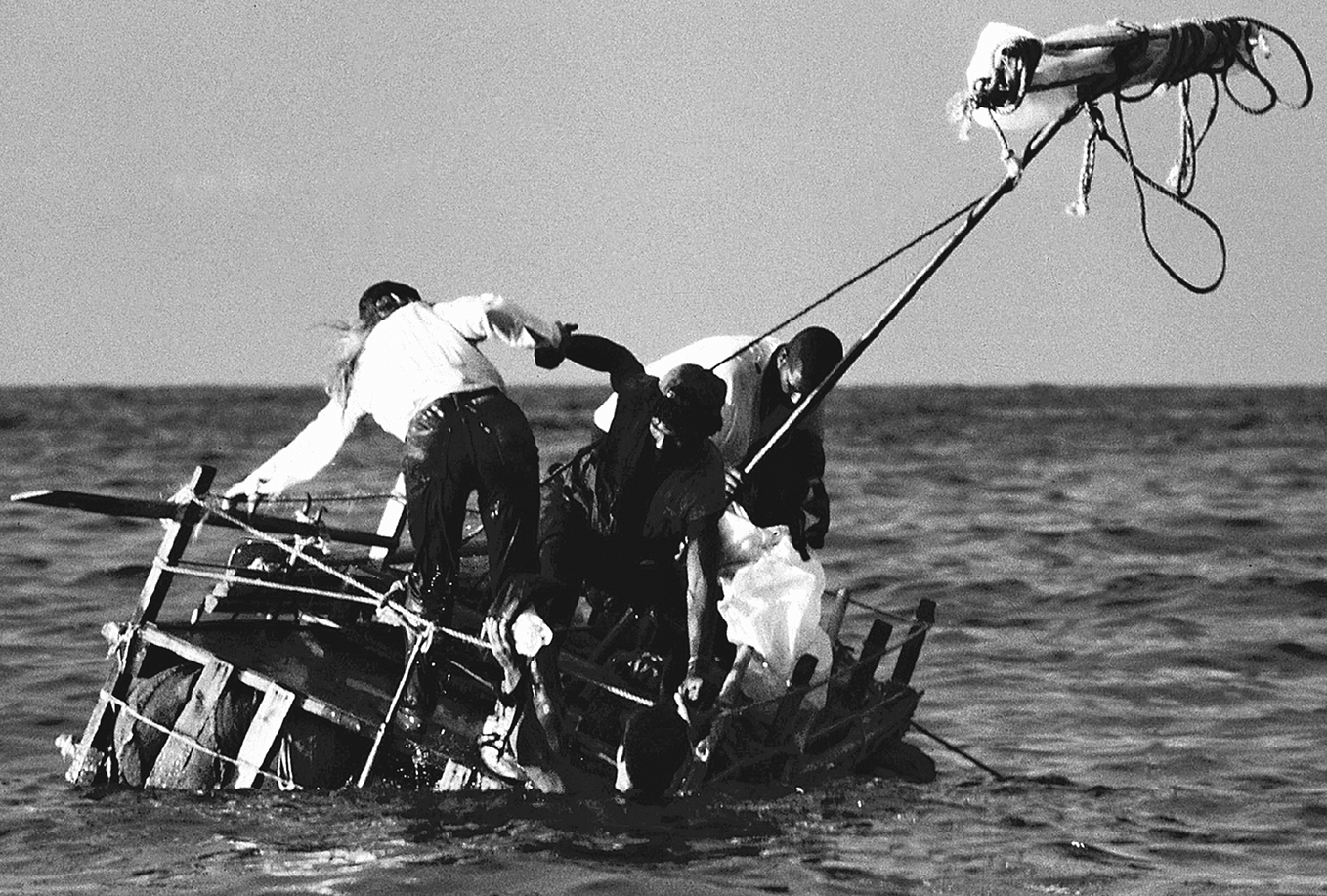
Rather than approaching Cuban photography as a homogeneous or closed tradition, the exhibition unfolds as a constellation of perspectives shaped by differing historical moments and lived conditions. Photographs produced in Cuba coexist with works created in diasporic contexts, not as oppositional statements but as interrelated visual responses to shared cultural memory. The exhibition underscores how photography has served Cuban artists as a space of negotiation—between presence and absence, visibility and restraint, documentation and poetic construction.
A defining strength of the exhibition lies in its generational breadth. The selection brings together artists whose practices were forged under the late twentieth century’s political and social frameworks alongside younger photographers working within a fully transnational present. These generational layers do not imply stylistic succession, but rather a sustained dialogue in which recurring concerns—time, erosion, intimacy, and survival—are revisited through evolving formal and conceptual strategies. The camera emerges as a tool not only for recording reality, but for rethinking how experience is shaped, filtered, and remembered.

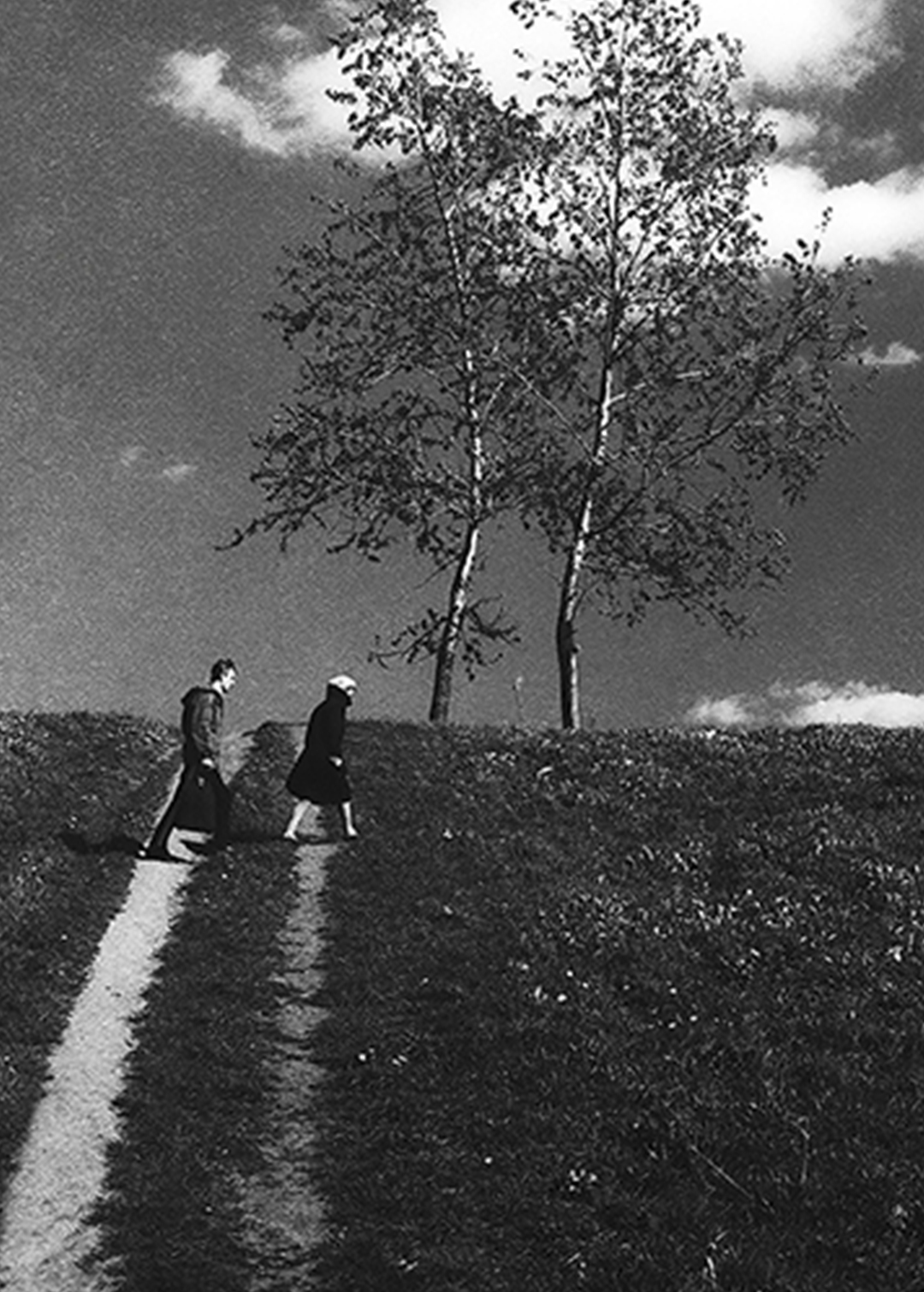
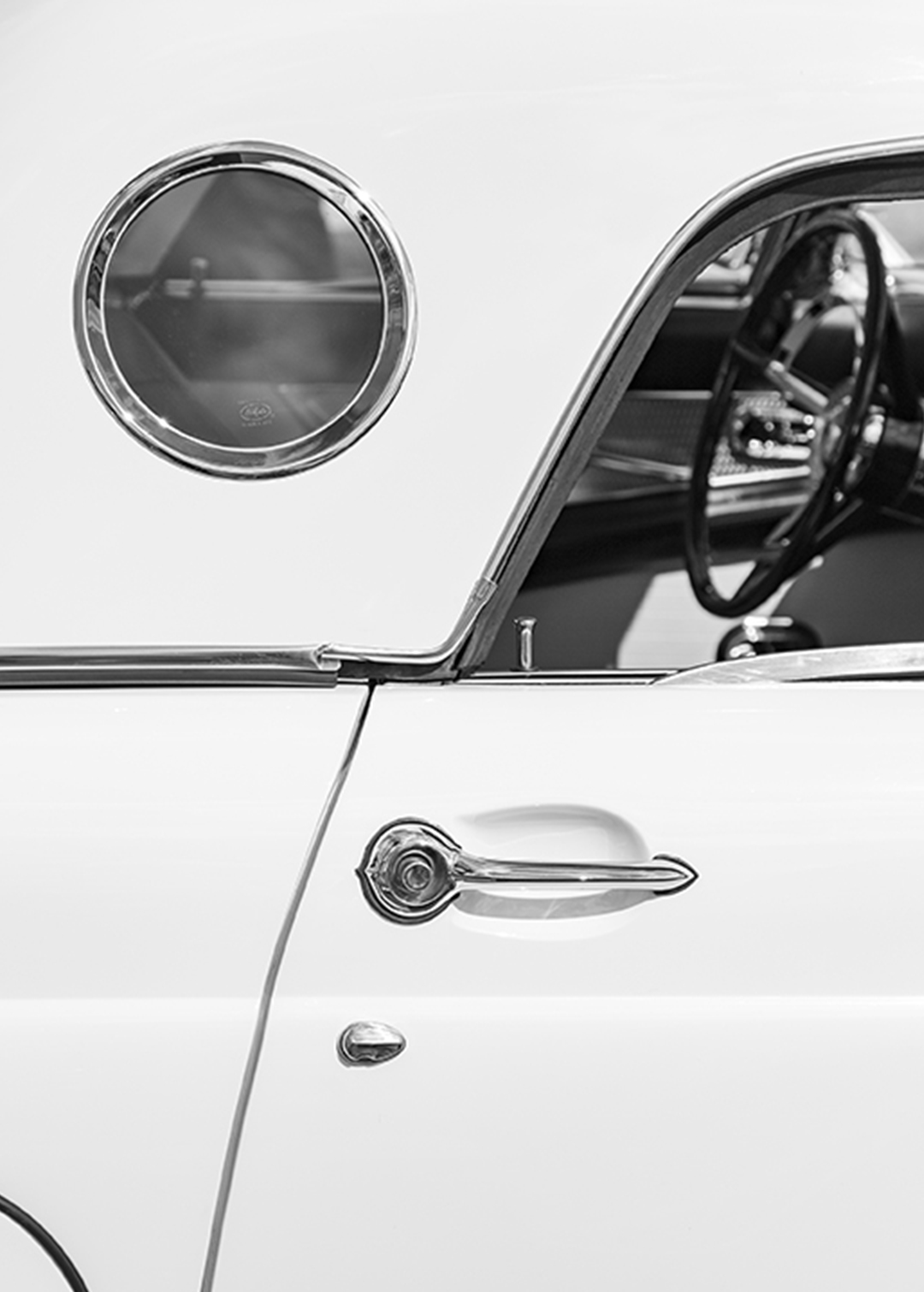
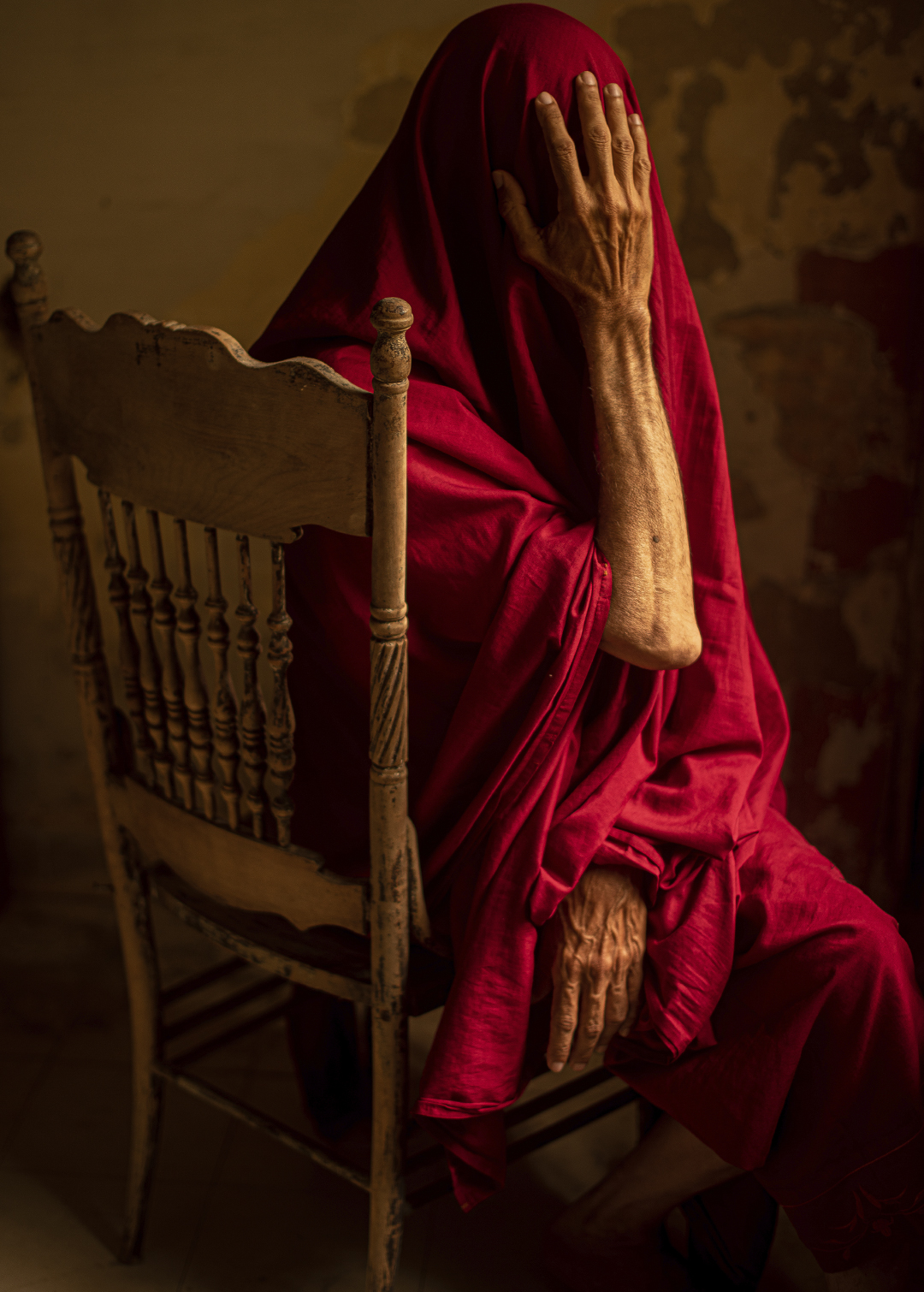
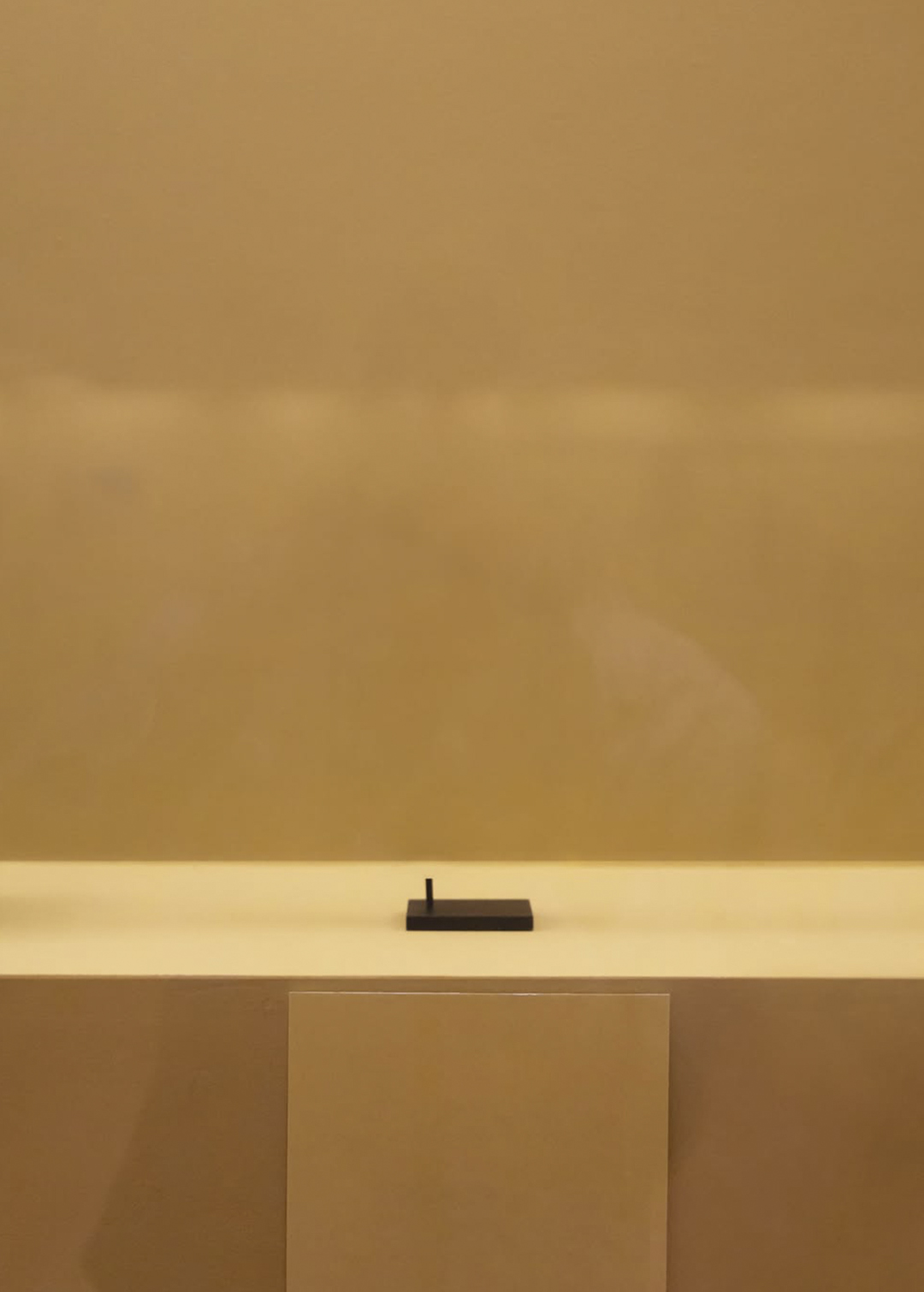
Equally significant is the strong presence of works by women photographers, whose contributions have become increasingly central to the reconfiguration of Cuban photographic discourse. Their practices introduce modes of looking that privilege embodied experience, domestic and interior spaces, emotional registers, and alternative forms of authorship. Within the exhibition, these works do not function as thematic subsets, but as structural elements that broaden the visual and conceptual scope of Cuban photography, challenging historically dominant narratives and visual hierarchies.
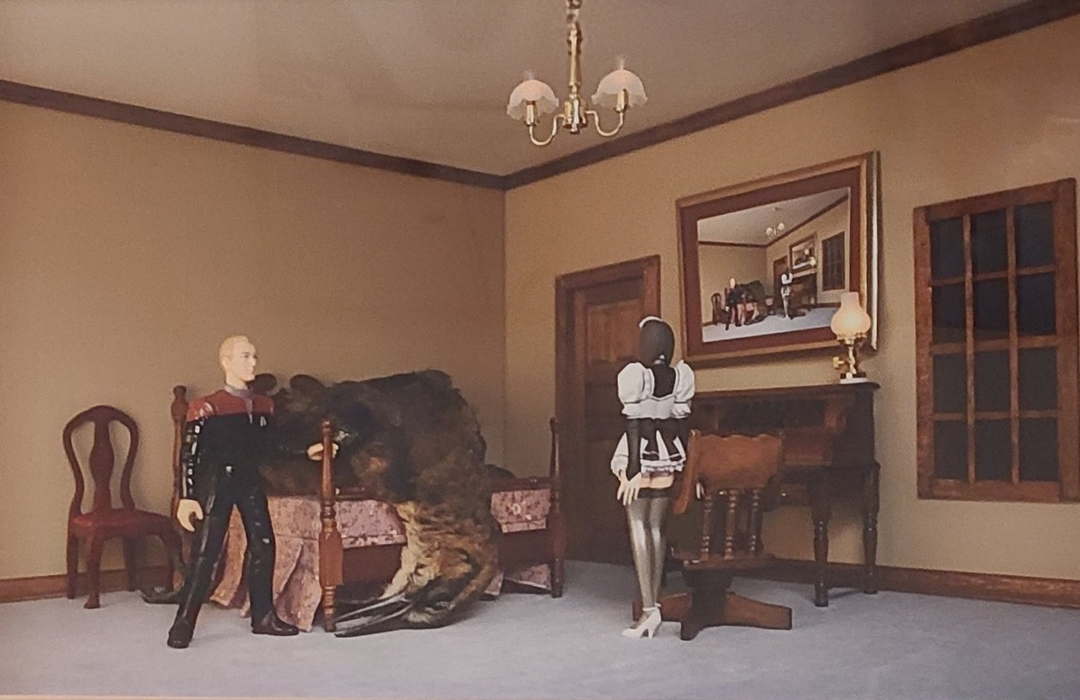
As a whole, the exhibition resists monumental readings of Cuban identity. Instead, it foregrounds subtlety, fragmentation, and duration—qualities intrinsic to photography as a medium. Images of everyday life, traces of personal history, and quiet gestures coexist with more explicitly constructed scenes, revealing photography’s capacity to operate simultaneously as witness and interpretation. What emerges is not a single story, but a layered visual field attentive to nuance and contradiction.
Presented as part of MOCAA’s January programming, this exhibition from the Rodriguez Collection affirms Cuban photography as a dynamic and evolving practice. Through its generational intersections, its dialogue between island and diaspora, and the decisive presence of women photographers, the show offers a compelling reflection on how photographic images continue to shape, question, and reimagine the Cuban experience within contemporary art.
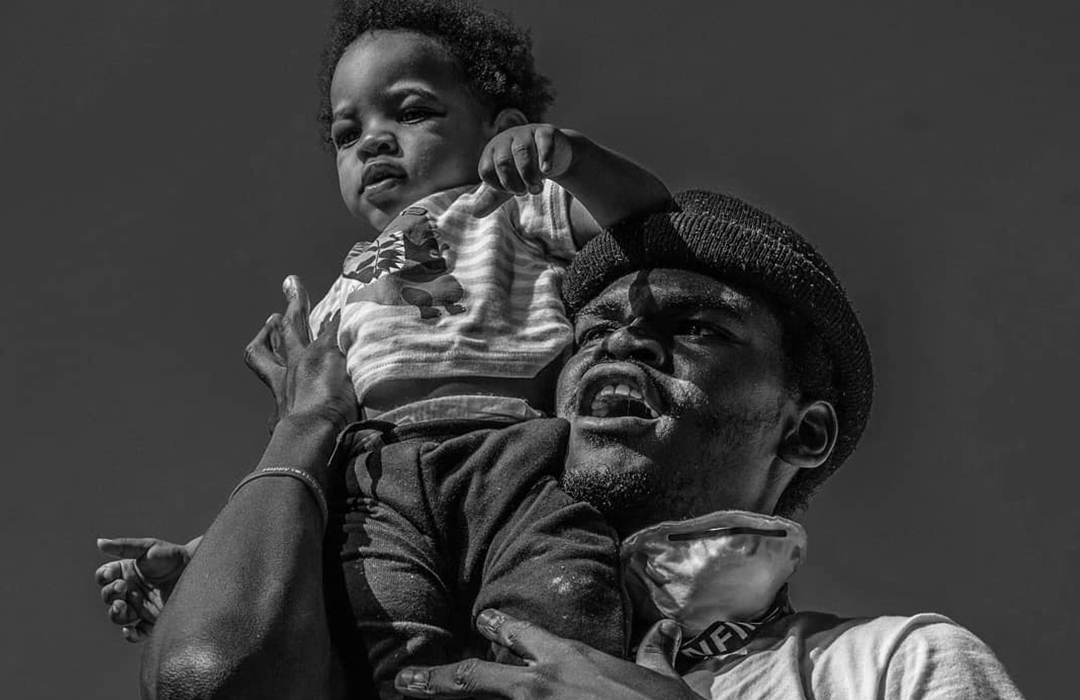
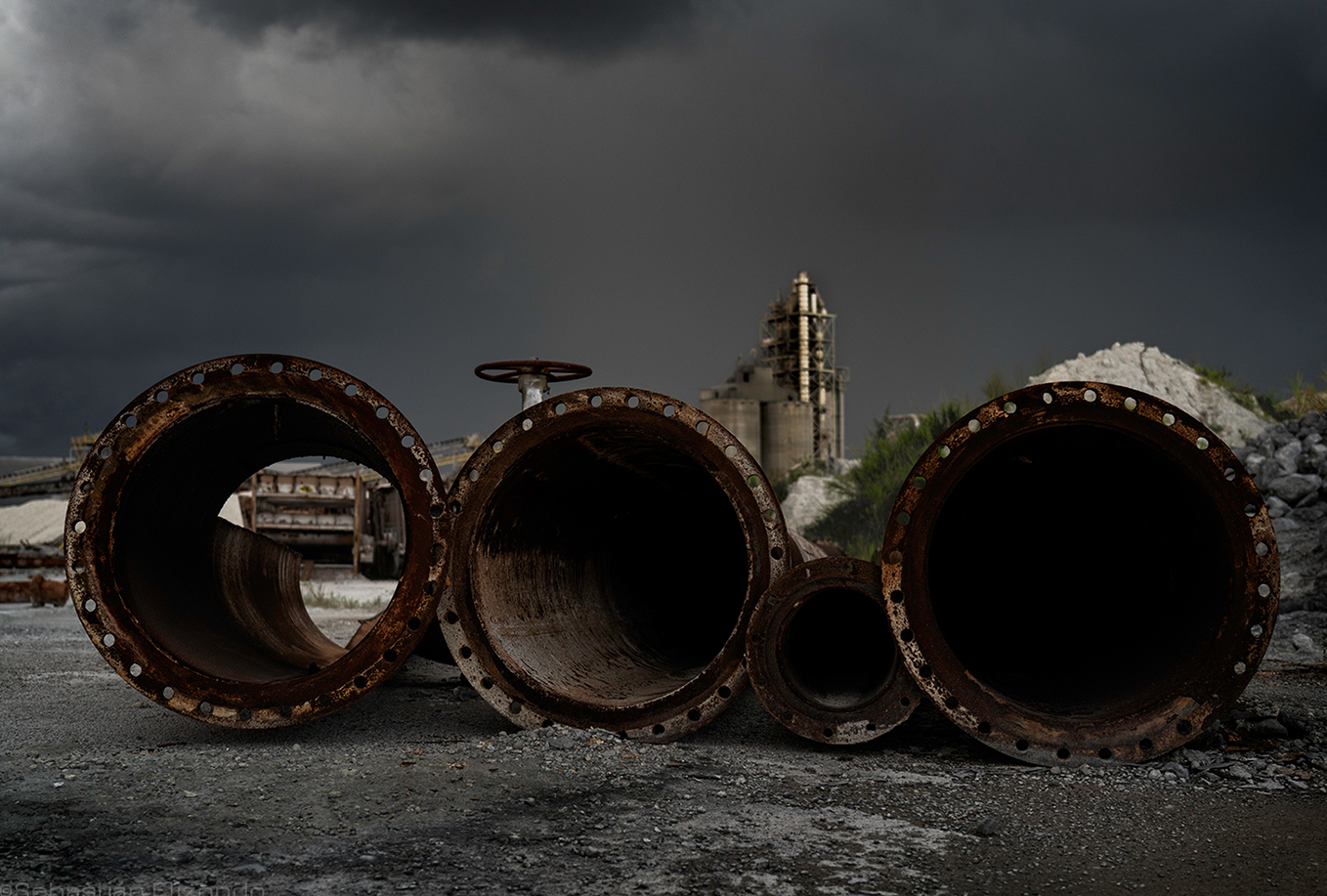
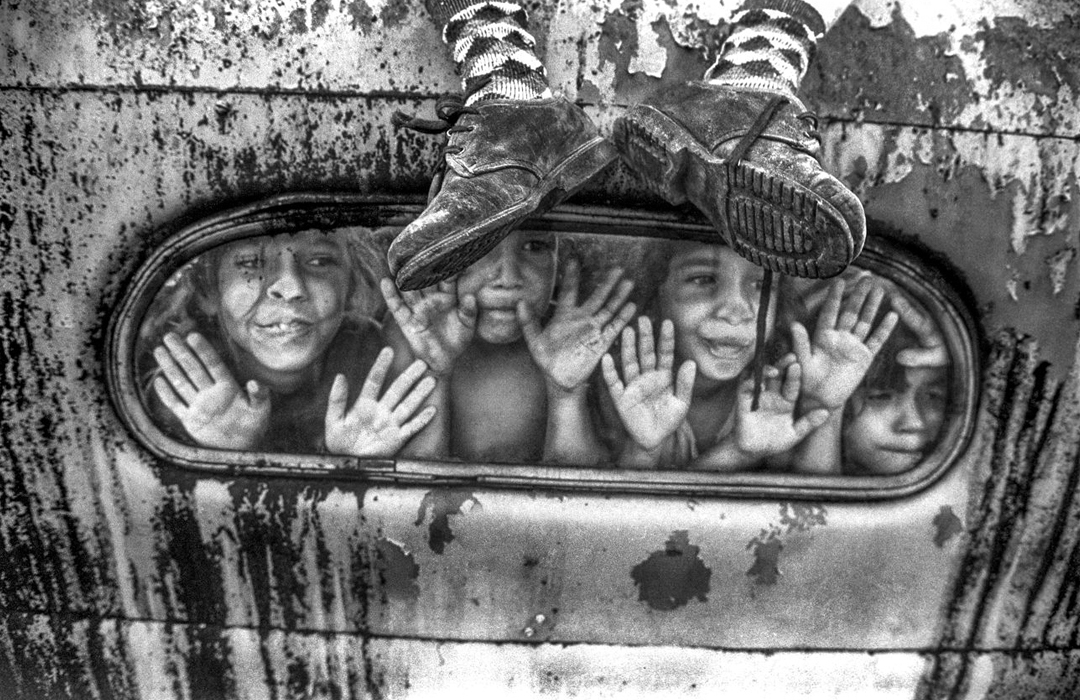
Equally significant is the strong presence of works by women photographers, whose contributions have become increasingly central to the reconfiguration of Cuban photographic discourse. Their practices introduce modes of looking that privilege embodied experience, domestic and interior spaces, emotional registers, and alternative forms of authorship. Within the exhibition, these works do not function as thematic subsets, but as structural elements that broaden the visual and conceptual scope of Cuban photography, challenging historically dominant narratives and visual hierarchies.
As a whole, the exhibition resists monumental readings of Cuban identity. Instead, it foregrounds subtlety, fragmentation, and duration—qualities intrinsic to photography as a medium. Images of everyday life, traces of personal history, and quiet gestures coexist with more explicitly constructed scenes, revealing photography’s capacity to operate simultaneously as witness and interpretation. What emerges is not a single story, but a layered visual field attentive to nuance and contradiction.
Presented as part of MOCAA’s January programming, this exhibition from the Rodriguez Collection affirms Cuban photography as a dynamic and evolving practice. Through its generational intersections, its dialogue between island and diaspora, and the decisive presence of women photographers, the show offers a compelling reflection on how photographic images continue to shape, question, and reimagine the Cuban experience within contemporary art.


This exhibition is made possible thanks to the support of the Miami-Dade County Department of Cultural Affairs, the Cultural Affairs Council, the Mayor, the Miami-Dade County Board of County Commissioners and Rodriguez Collection


The Kendall Art Cultural Center (KACC), dedicated the past six years to the preservation and promotion of contemporary art and artists, and to the exchange of art and ideas throughout Miami and South Florida, as well as abroad. Through an energetic calendar of exhibitions, programs, and its collections, KACC provides an international platform for the work of established and emerging artists, advancing public appreciation and understanding of contemporary art.
READ MORE
The Rodríguez collection is a blueprint of Cuban art and its diaspora. Within the context of the new MoCA-Americas the collection becomes an invaluable visual source for Diaspora identity. It represents a different approach to art history to try to better understand where we come from to better know where we are heading.
READ MORE


