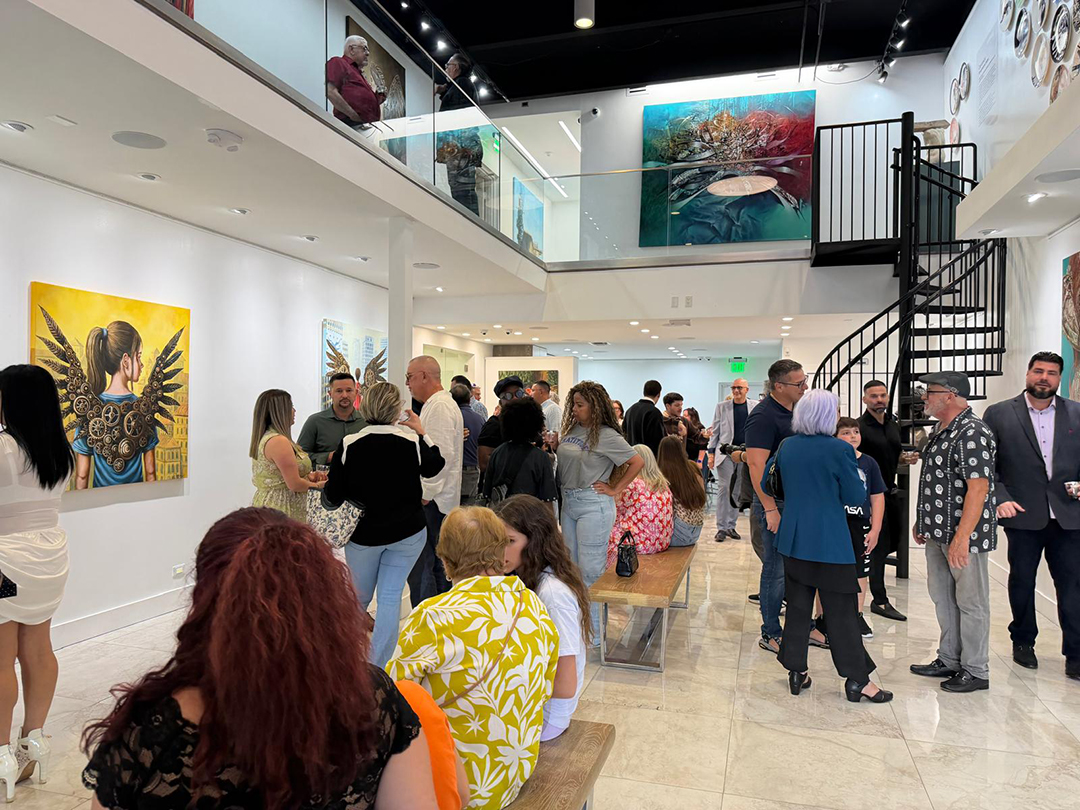
On Friday, June 26, the Museum of Contemporary Art of the Americas (MoCAA) opened Echoes of Humanity in its main hall, a two-person exhibition by the Cuban painters Tony Rodríguez —Juan Antonio Rodríguez Olivares, Santiago de Cuba, 1980— and Noel Dobarganes —Matanzas, 1977—, brought together in that space for the first time.
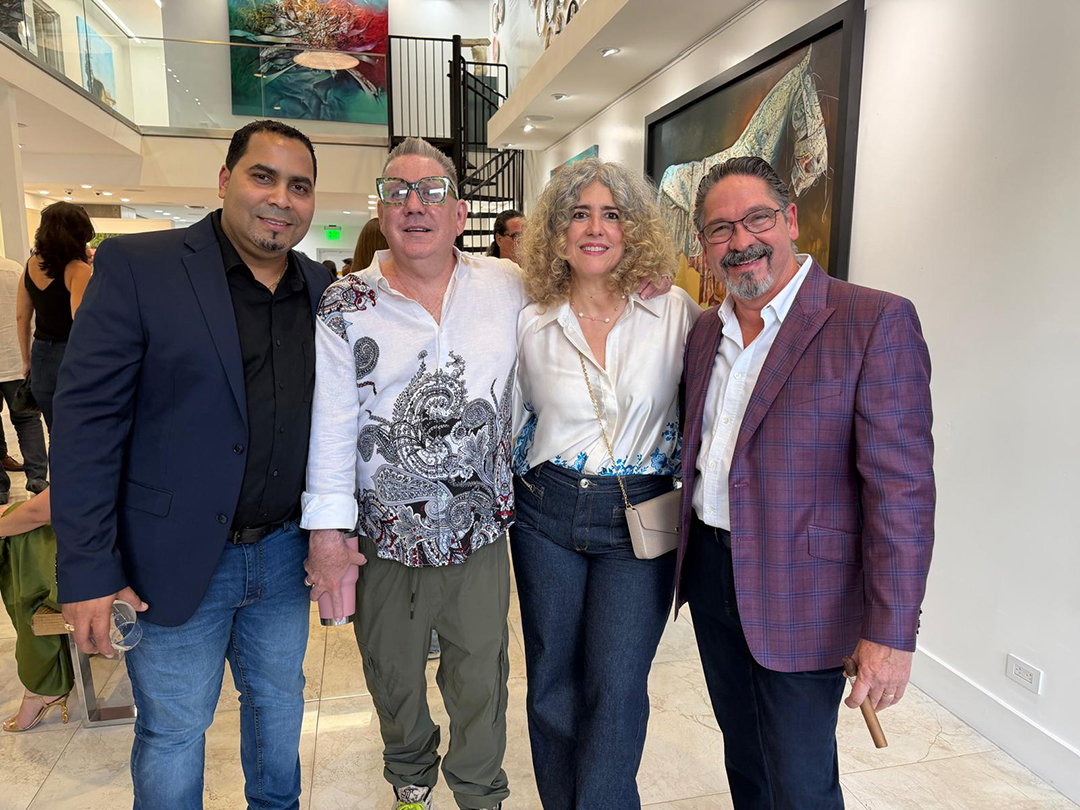
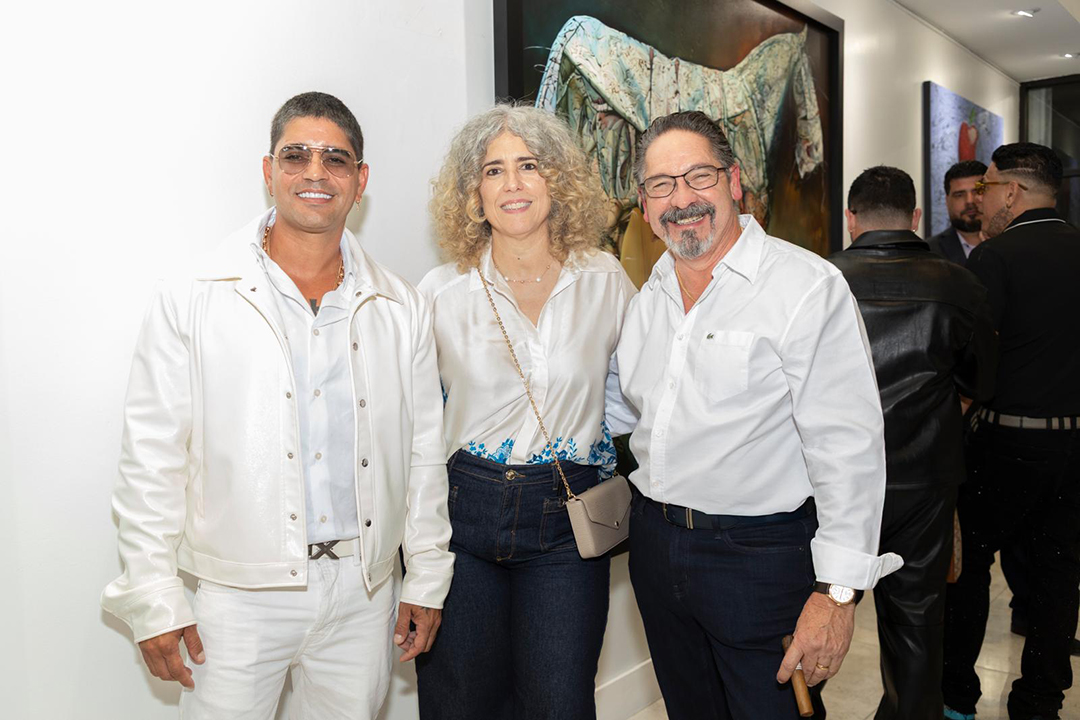
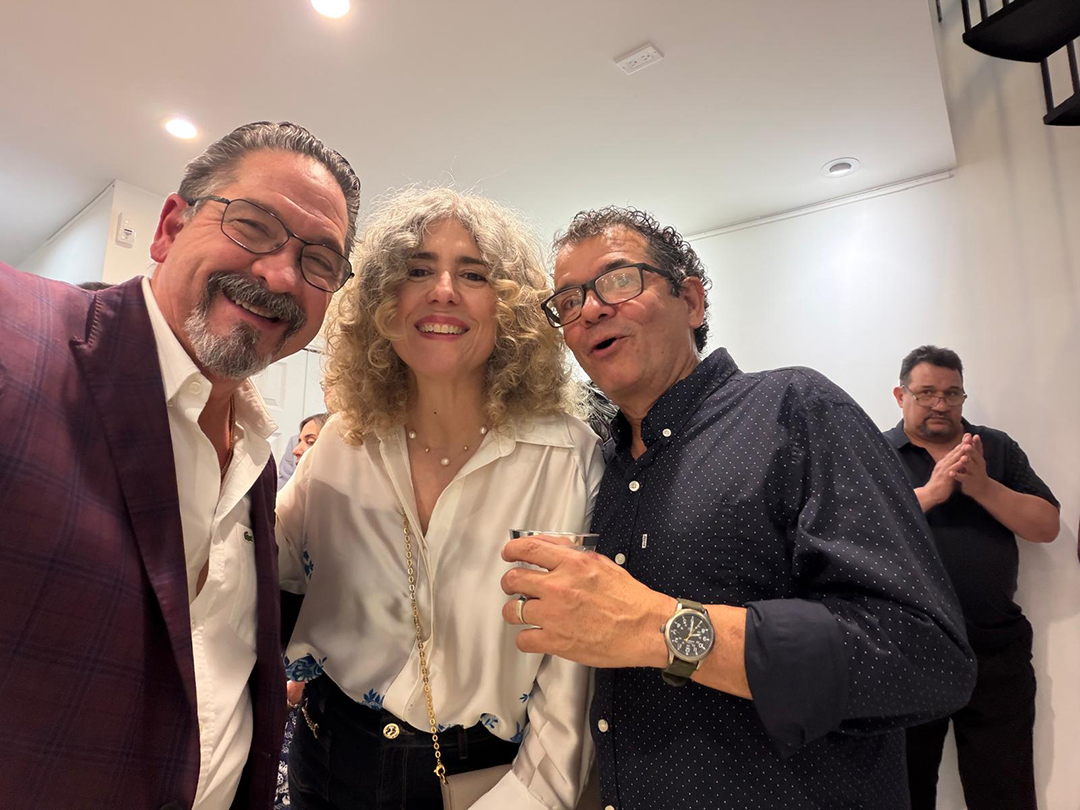
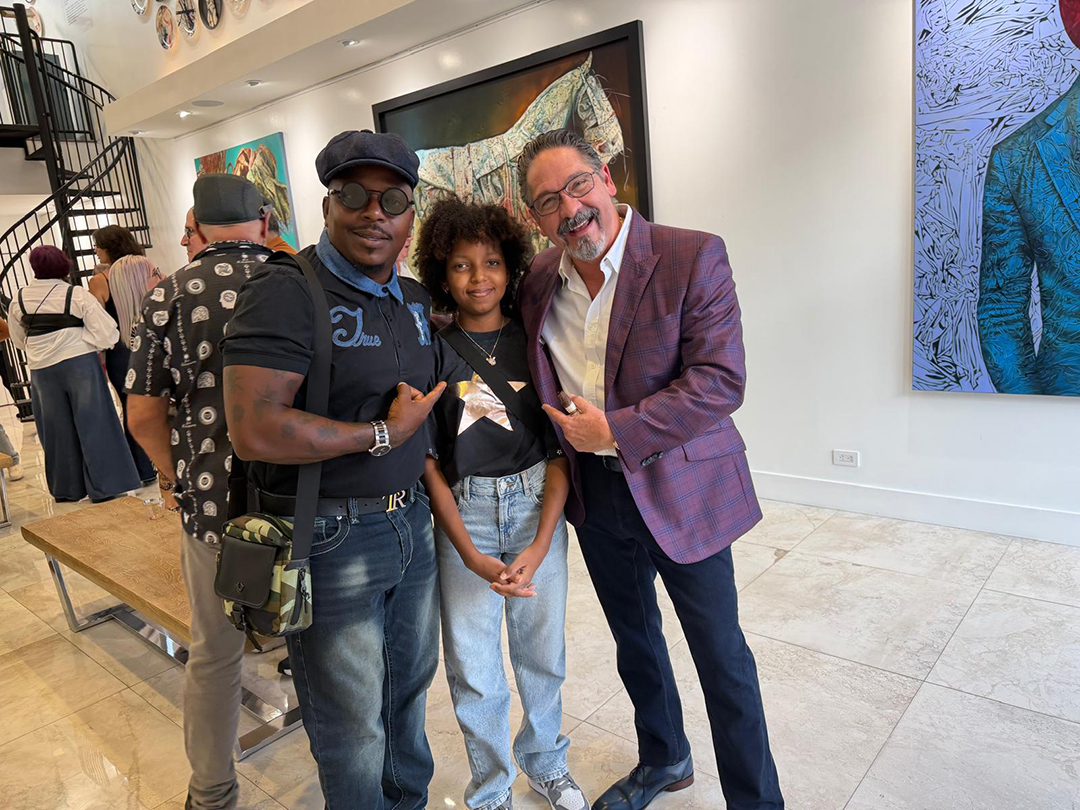
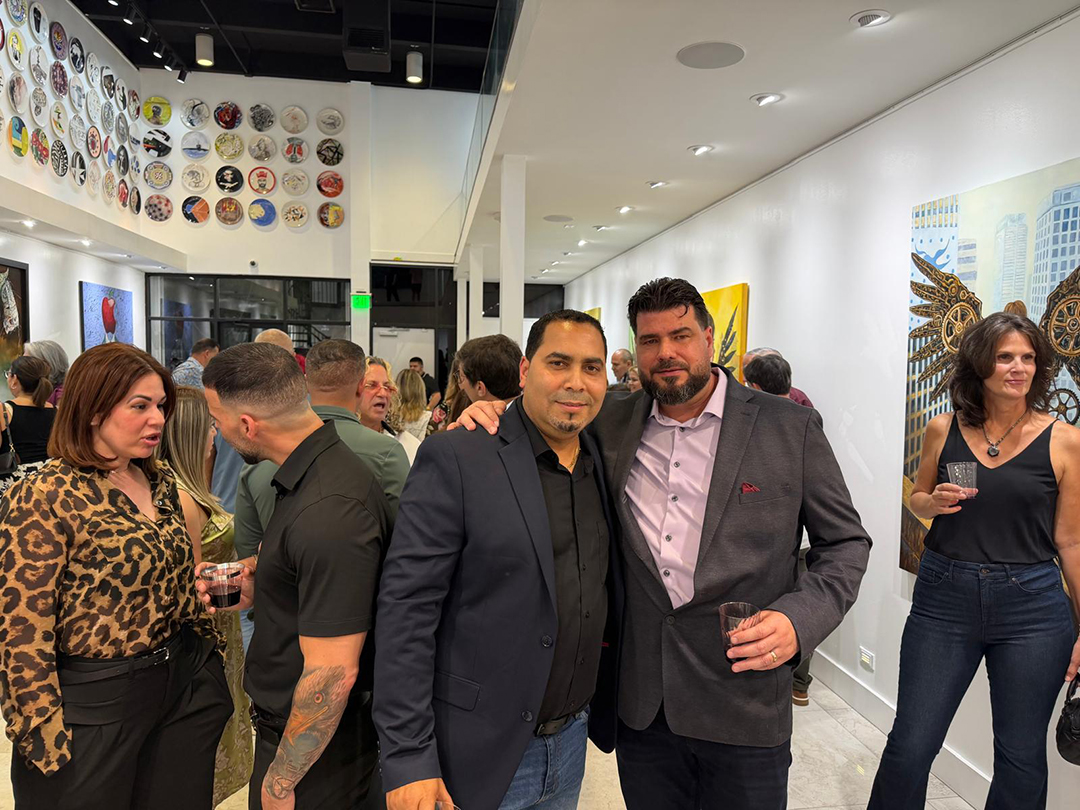
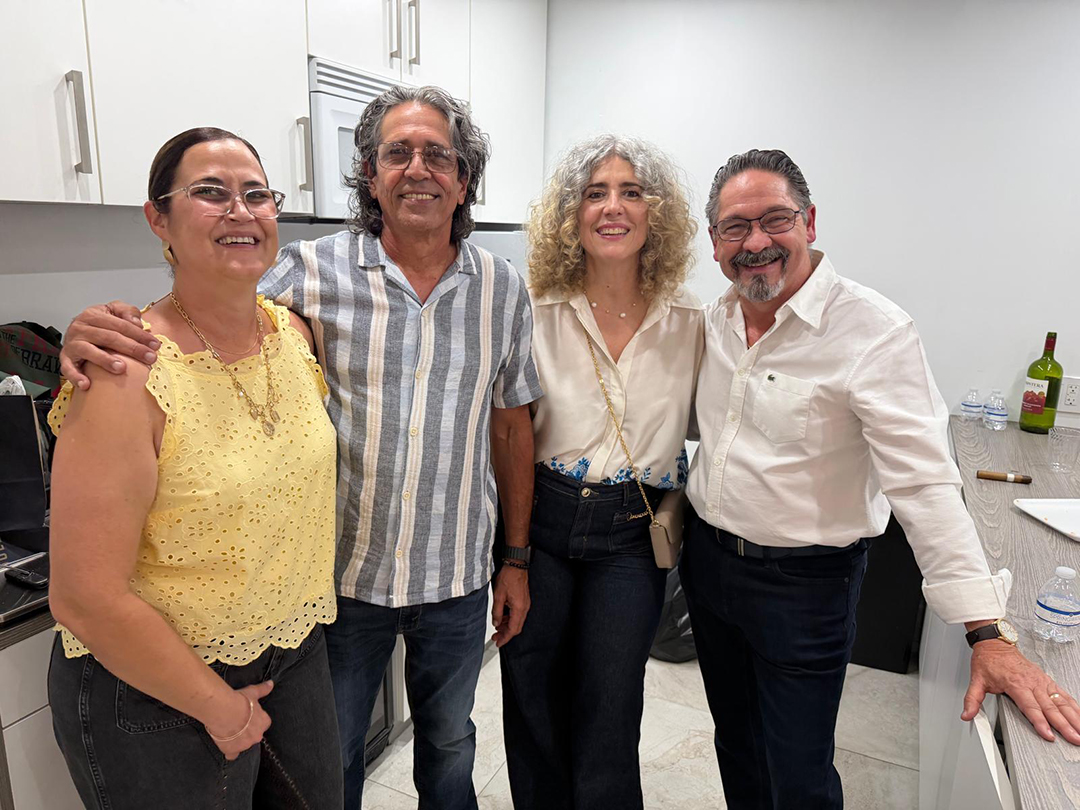
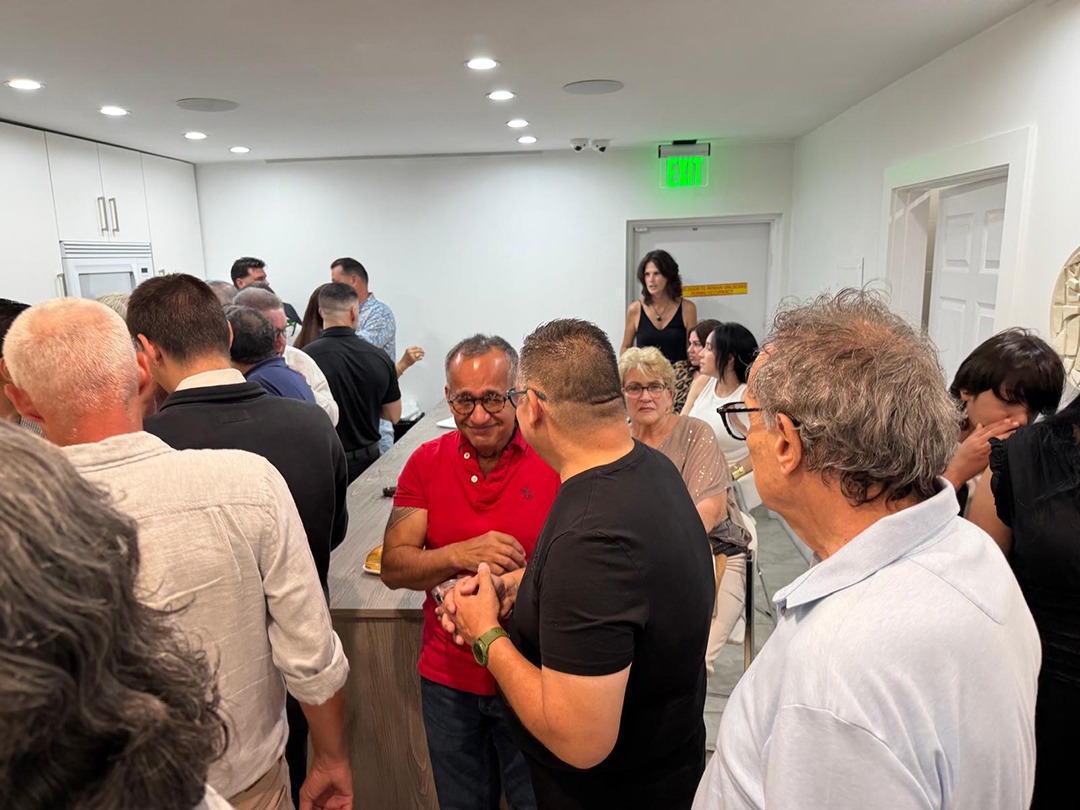
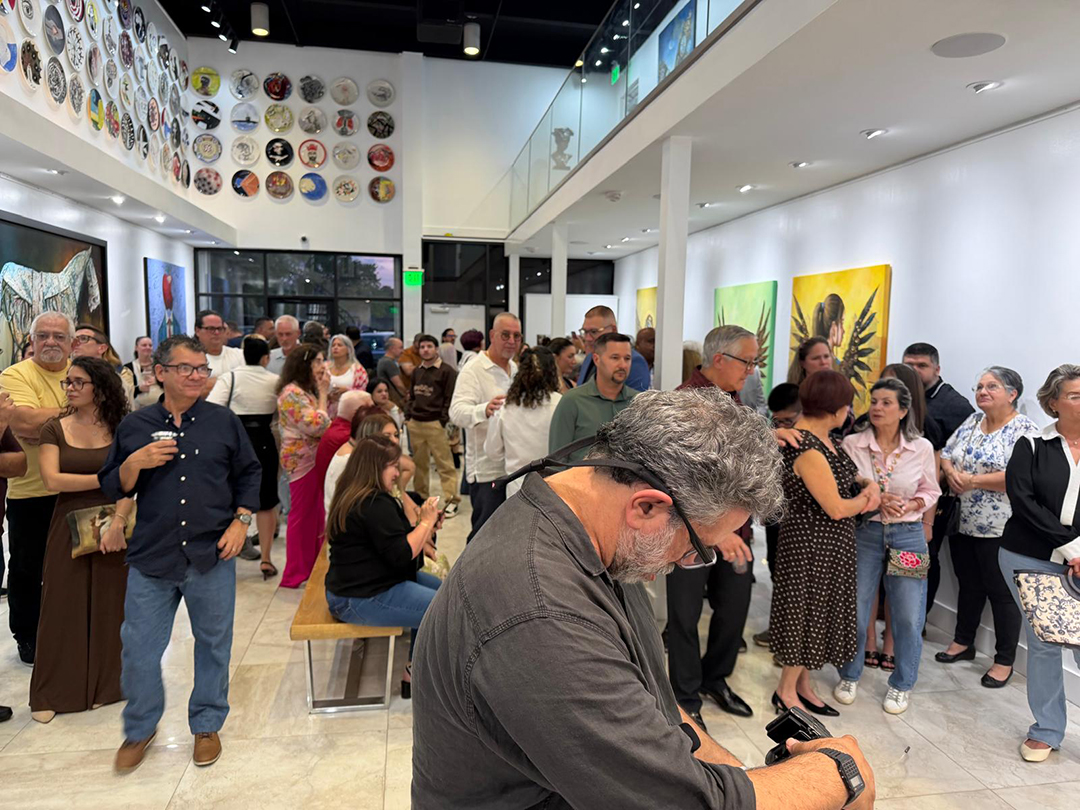
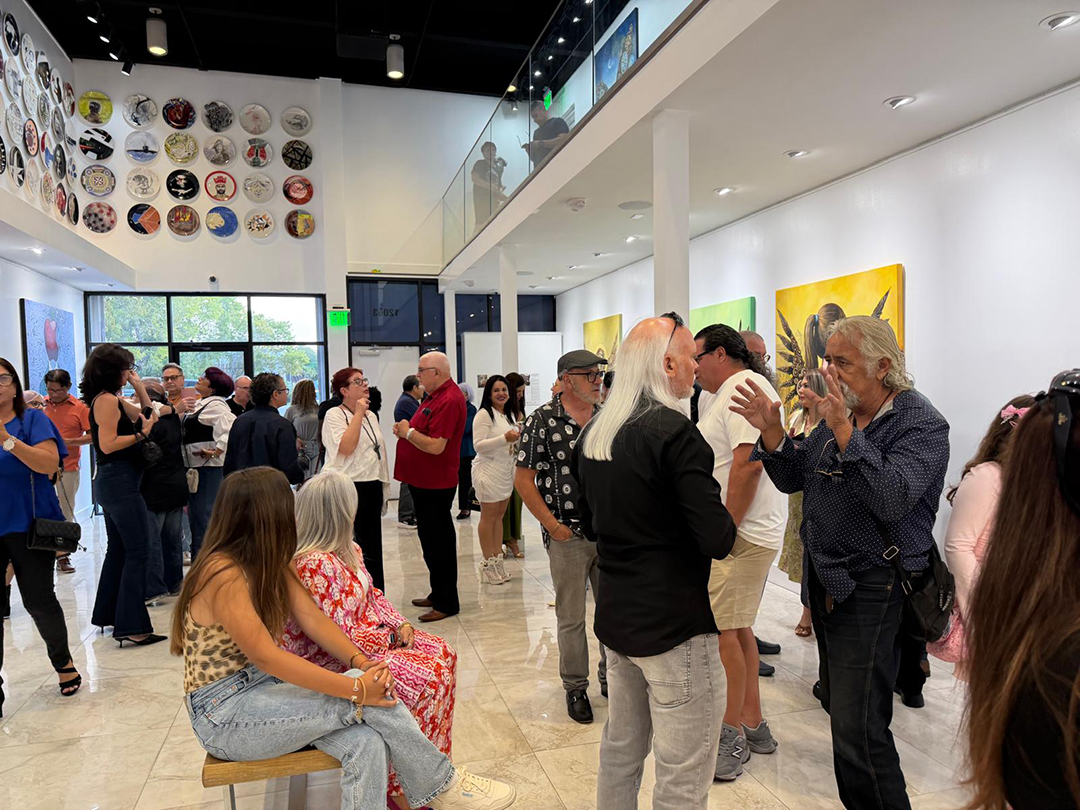
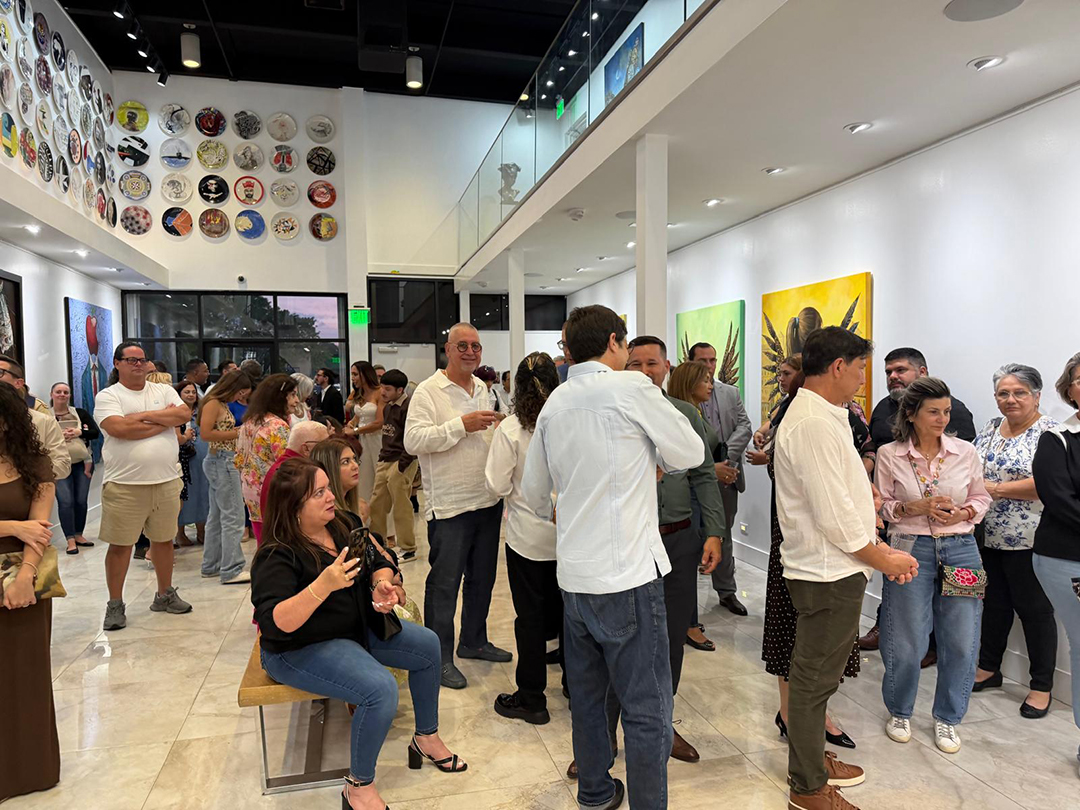
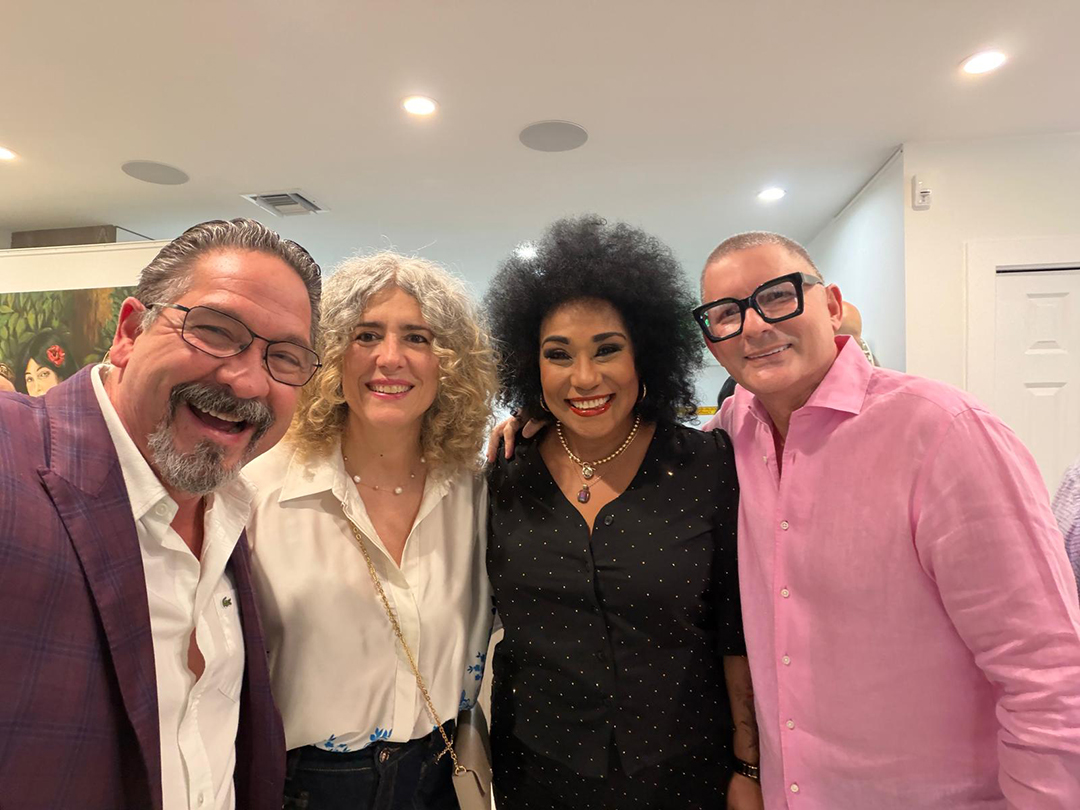
The evening drew a broad and diverse audience. Family members and friends of the artists joined collectors, fellow artists, cultural workers, and others engaged in the promotion and the everyday labor of the arts, alongside a large gathering of art lovers from across South Florida. Music accompanied the viewing. The guitarist and composer Ricardo González gave a special performance, conceived as part of the experience of moving through the exhibition and lingering within it.


Echoes of Humanity forms part of MoCAA's Art in the Community program, dedicated to bringing art to audiences of every age and background and to advancing the work of artists within the South Florida community.
Though they share an origin and a language, Rodríguez and Dobarganes arrive at painting along separate roads. Tony Rodríguez trained in Santiago de Cuba and belongs to the so-called Generation 00, which turned eastern Cuban art toward Surrealism and the wider international conversation. A painter, illustrator, and curator known at home as "the painter of reflection," he took part in the 10th Havana Biennial in 2009 with Shelters of Time, and his work belongs to collections such as Imago Mundi (the Luciano Benetton Collection) and the Miami Hispanic Cultural Arts Center. Based in Miami, his painting probes the tensions among technology, artificial intelligence, and social disconnection. Here he presents The Weight of Wings (oils on canvas, 2025 and ongoing), where the mechanical wing —built from gears and metal feathers— ceases to cancel gravity and becomes ballast on the shoulders of his figures.

Noel Dobarganes began as a self-taught painter at seventeen and later graduated from the Roberto Diago Professional School of Fine Arts. By twenty-two he was exhibiting in Cuba and abroad. His work turns on time and memory, and on an intense exploration of color, area, line, texture, and ornament, across charged surfaces that approach horror vacui and call for the eye and the hand alike. Critics including Píter Ortega, Fernando Castro Flórez, Andrés Isaac Santana, and Jorge Peré have read in his painting a baroque condition and a fluid passage between figuration and abstraction; the museum devoted a monographic volume to his work under the MoCAA Editions imprint.
Set together in one hall, both bodies of work press on a single concern, weight. In Rodríguez, the weight of an apparatus borne on the back; in Dobarganes, the weight of time sedimented in layers. Two shores of one painting, facing each other, that go on gravitating in the hall long after the visitor has left.
The exhibition remains on view through July 17 at the museum's Kendall venue.