


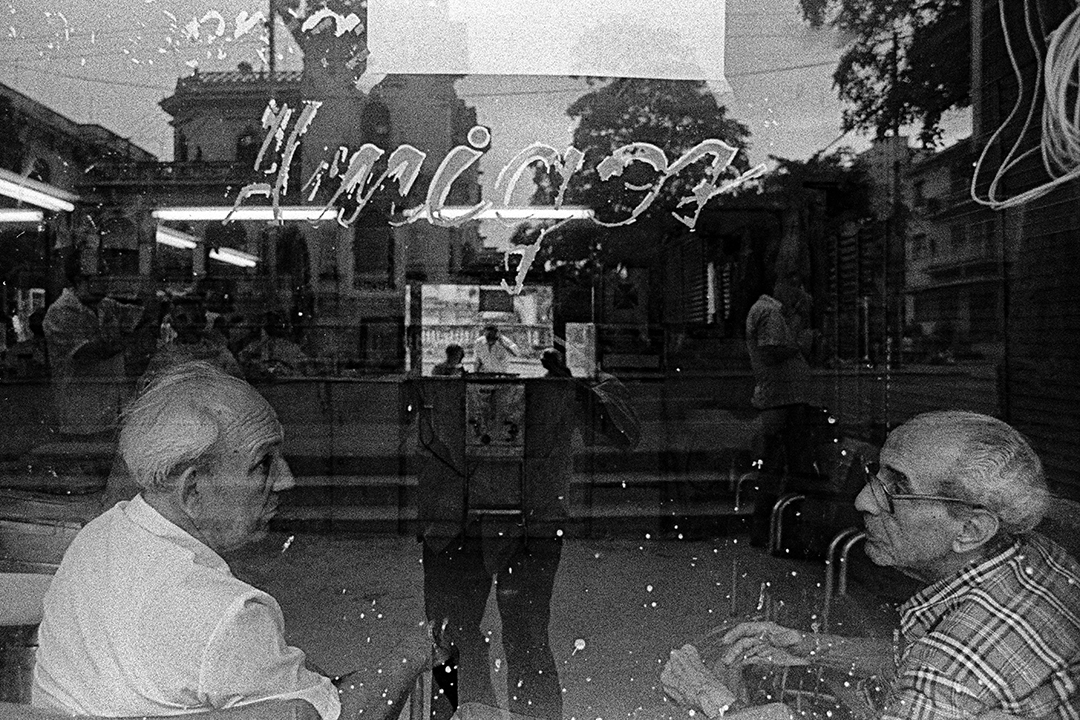
The Museum of Contemporary Art of the Americas has added to its collection a work by Pedro Abascal, a Cuban photographer based in Havana. The acquired piece, Amigos, belongs to the series Dossier Habana and has been recognized by critics as one of the artist’s most accomplished works.
The work will soon be exhibited in Mérida, Mexico, as part of a program of exchanges with local cultural institutions.
Pedro Abascal is a Cuban photographer born in Havana in 1960. Largely self-taught, he began his photographic practice in the early 1980s, combining independent exploration with workshops and professional exchanges that helped shape his visual language. Over the years, his work has moved between photojournalism, commercial photography, still photography, and more personal documentary projects.
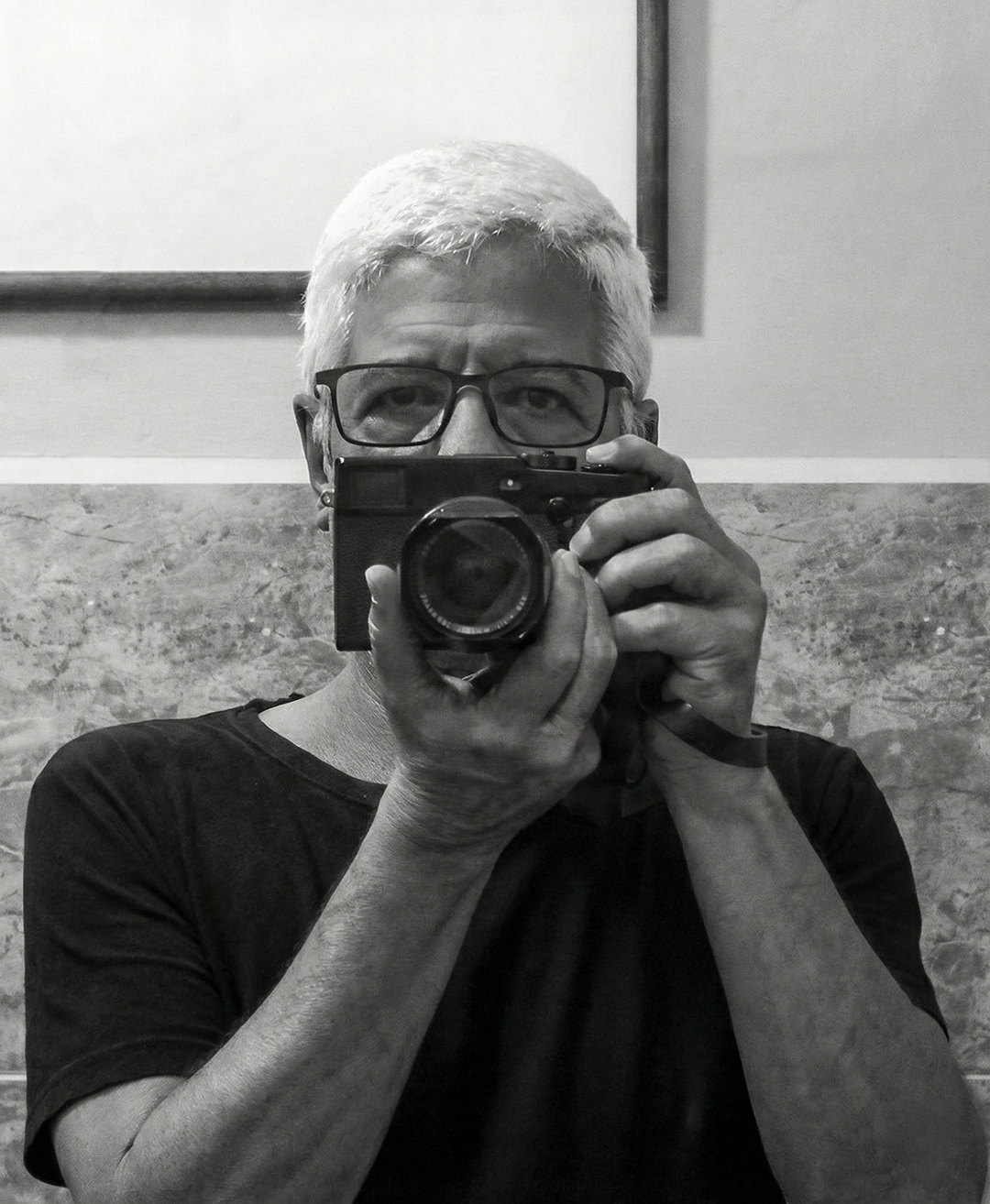
His photographs are recognized for their refined use of contrast, their attention to urban life, and their capacity to transform everyday scenes into charged visual signs rather than simple records of reality. Through his images, Havana often appears not as a fixed subject, but as an open visual archive, marked by fragments, gestures, surfaces, memory, and the traces of lived experience.
Abascal has exhibited his work in Cuba, the United States, Switzerland, and other international contexts. In 1996, he received a Special Mention from Casa de las Américas for Wings in the Shadow. In 2003, he published Personal Documents, a volume that brought together part of his photographic practice and consolidated his position within contemporary Cuban photography.
His long-term project Dossier Habana, developed between 1989 and 2006, stands as one of the central bodies of his work. Created across the years of Cuba’s Special Period and its aftermath, the series approaches Havana as both a historical archive and a poetic field of observation, where memory, identity, urban deterioration, and human persistence converge through the photographic image.

