


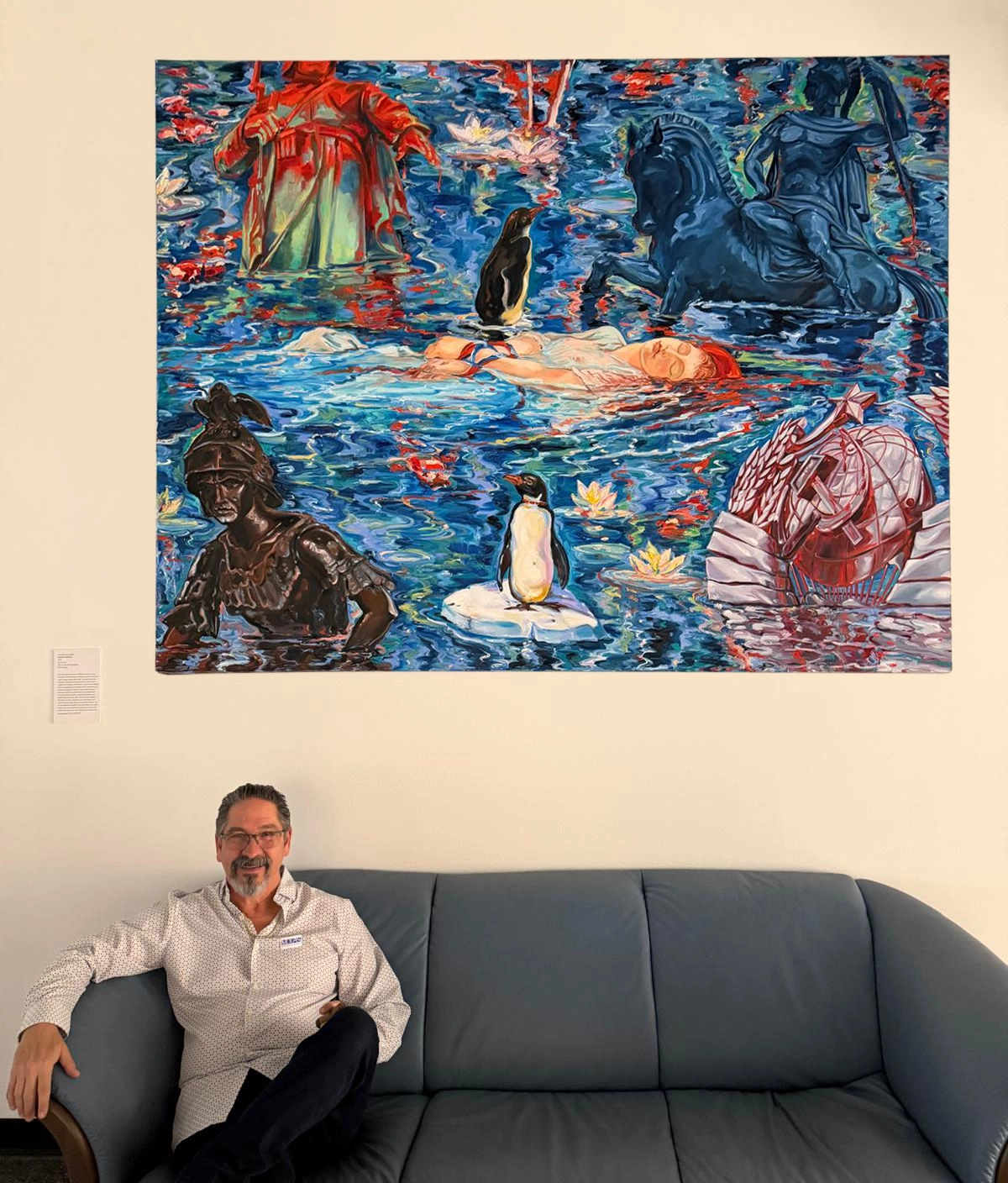
On the morning of February 29, 2024, Leonardo Rodríguez, Founder, Board President, and Director General of the Museum of Contemporary Art of the Americas, together with Ivonne Ferrer, Deputy Director of the Center and Director of the Fine Arts Ceramic Center, conducted an institutional visit to the Museum of Arts & Sciences (MOAS). The visit included a focused review of the museum’s Cuban holdings, particularly the Cuban Foundation Museum, widely regarded as one of the most significant repositories of Cuban art outside the island.
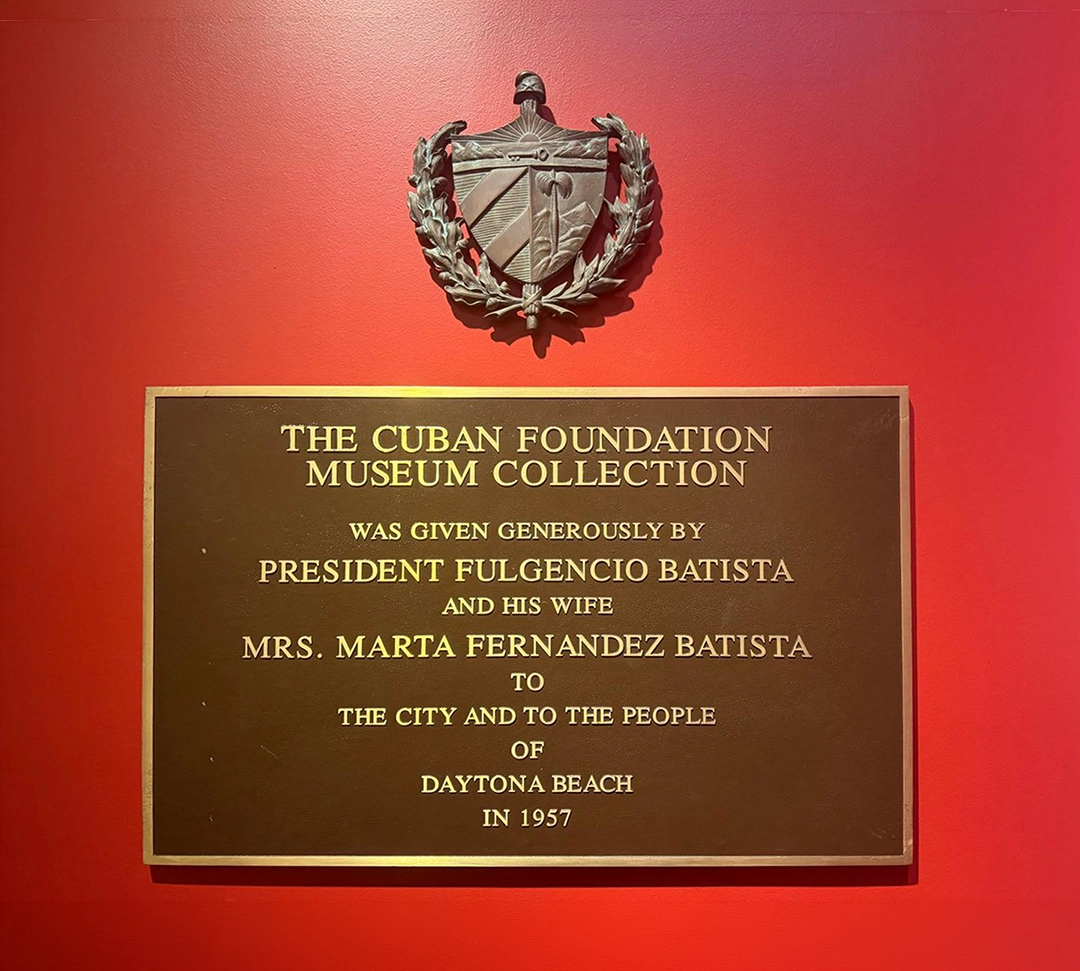
Rodríguez and Ferrer engaged directly with the historical core of the collection, originally established in 1957 through a donation associated with Fulgencio Batista. This foundational ensemble—spanning more than three centuries of artistic production—offers a structured view of Cuban art across its colonial, republican, and early modern phases. Its continued stewardship within an American institutional framework underscores the long-standing transnational circulation of Cuban cultural heritage.
Within this context, the visit also brought into focus a later moment in the museum’s collecting history: the integration of a contemporary work previously donated through the mediation of the Kendall Art Center—now Museum of Contemporary Art of the Americas—in collaboration with the Rodríguez Collection. Formalized in 2021, this contribution introduced a group of works by contemporary Cuban artists, extending the chronological and conceptual scope of the MOAS holdings.
The juxtaposition of these two bodies of work—the mid-twentieth-century foundational donation and the recent contemporary acquisition—offers a precise point of comparison. Both respond to a sustained impulse to render Cuban art visible within U.S. institutions, yet they do so from distinct positions. The Cuban Foundation Museum is anchored in a national-historical narrative tied to the island, whereas the later donation reflects a diasporic condition, foregrounding artists whose practices have developed outside Cuba, particularly within the United States.
This convergence does not collapse the distinctions between the two frameworks; rather, it clarifies their complementarity. The historical collection establishes continuity and depth, while the incorporation of diasporic voices extends that narrative into the present, addressing questions of displacement, identity, and transnational production. In this sense, the Rodríguez Collection operates not as a corrective but as an expansion—introducing a contemporary layer that reframes how Cuban art is situated within a broader hemispheric discourse.

The visit reaffirms the commitment of the Museum of Contemporary Art of the Americas to the study, presentation, and international circulation of Cuban art. It also underscores the role of sustained institutional collaboration and the active engagement of collectors such as Leonardo Rodríguez, whose contributions continue to support the public visibility of Cuban artistic production across South Florida, the United States, and beyond.

