


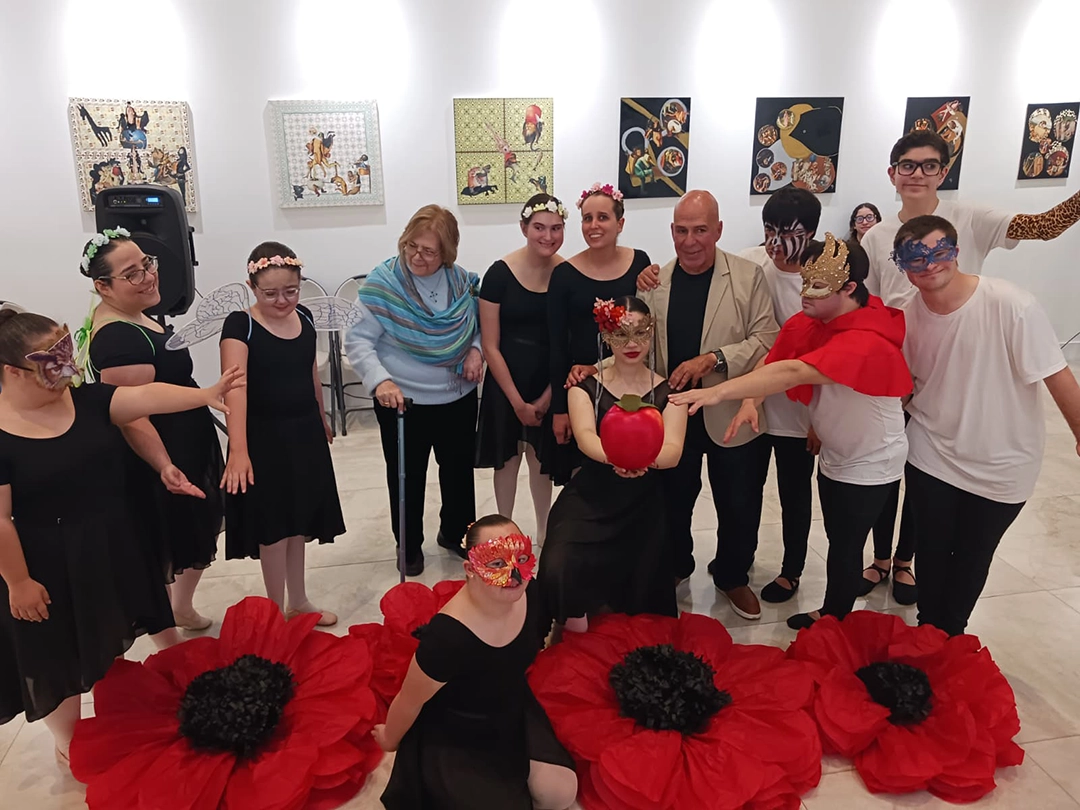
At the Museum of Contemporary Art of the Americas, Area Stage’s Inspire Theatre Project turned a closing ceremony into something larger: a public argument for who gets to inhabit art.
On the evening of February 27, at the Museum of Contemporary Art of the Americas (MOCAA) in Miami, the closing ceremony for The Garden of Earthly Delights did more than mark the end of an exhibition. It shifted the terms of spectatorship itself. Inside the museum—where contemporary art so often asks to be interpreted at a distance—thirteen dancers from Area Stage’s Inspire Theatre Project entered the space not as symbolic guests, but as the living extension of the work’s imaginative world. The ceremony, staged at MOCAA, transformed the museum from a site of display into a site of embodiment.
The occasion was formally tied to the exhibition’s Bosch-inspired atmosphere: fantasy, symbolism, moral tension, and the unruly force of the human image. According to MOCAA’s event announcement, the performance drew on the world of Hieronymus Bosch while also responding to the work of contemporary artists Maggie Pernas and Carlos Sanjurjo, who were featured in the exhibition. Choreographed by Nicole Becker and directed by Irma Becker, the piece invited the audience into a space where image, allegory, and movement ceased to be separate disciplines.
That matters, because what happened at the Museum of Contemporary Art of the Americas was not merely an “inclusive” add-on to a museum program. It was the insertion of a different artistic logic into the institutional body of the museum itself. The performers were dancers from Inspire Theatre Project (ITP), a program founded in 2014 by Maria Banda-Rodaz for students with developmental and intellectual disabilities. Area Stage describes it not as a therapeutic diversion, but as a professional-level training program built around artistic rigor, confidence, independence, and creative expression.
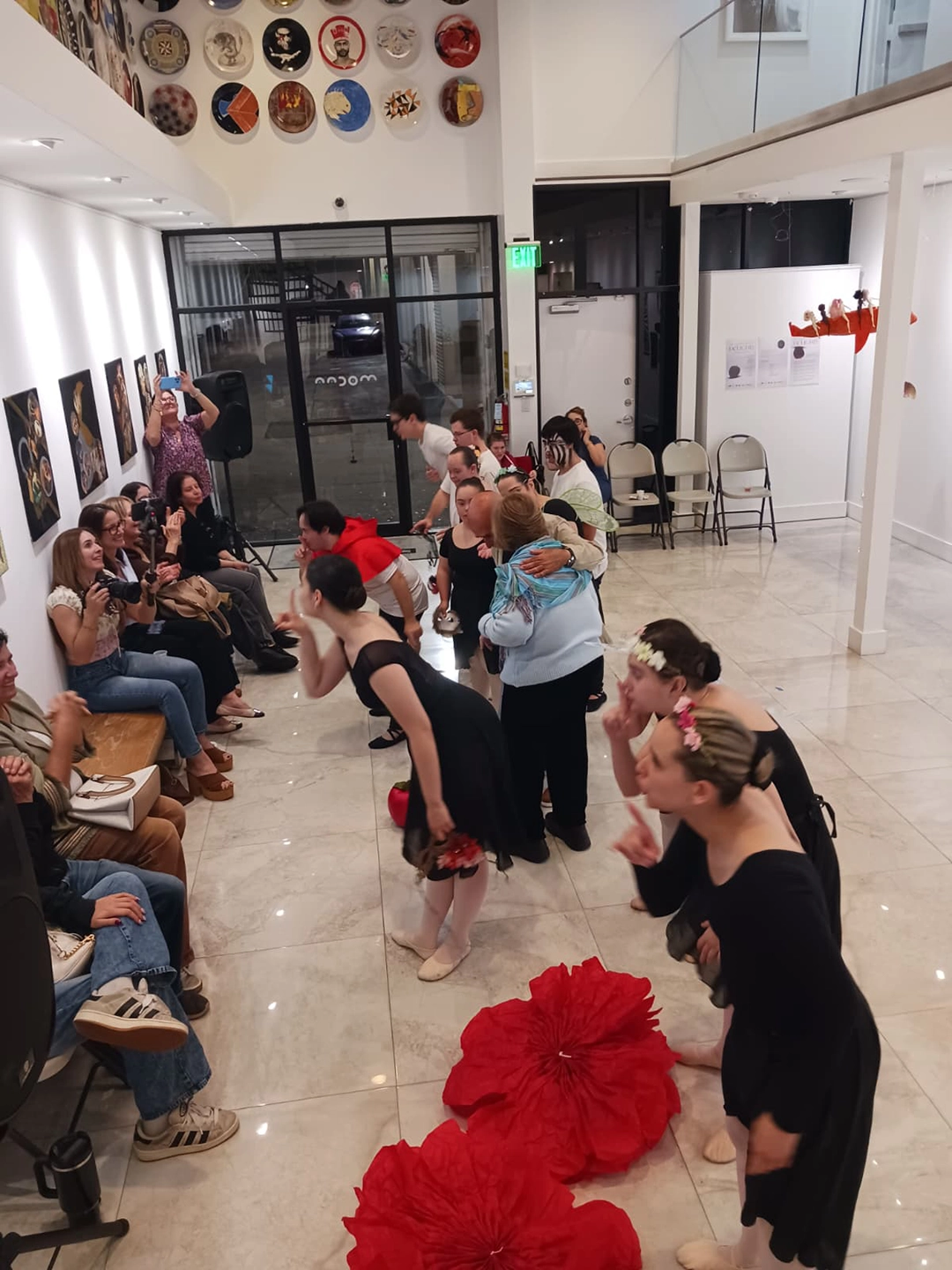
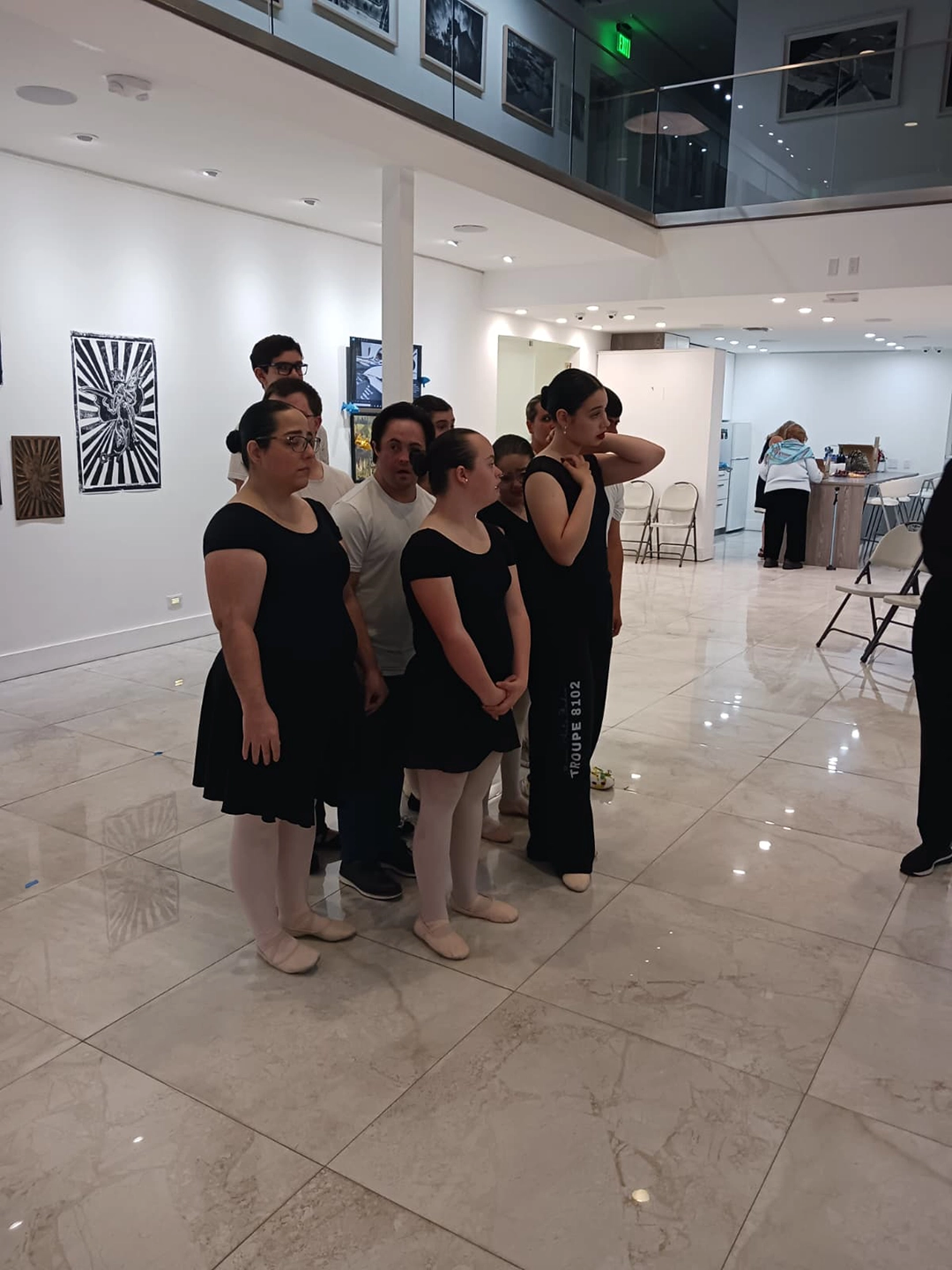
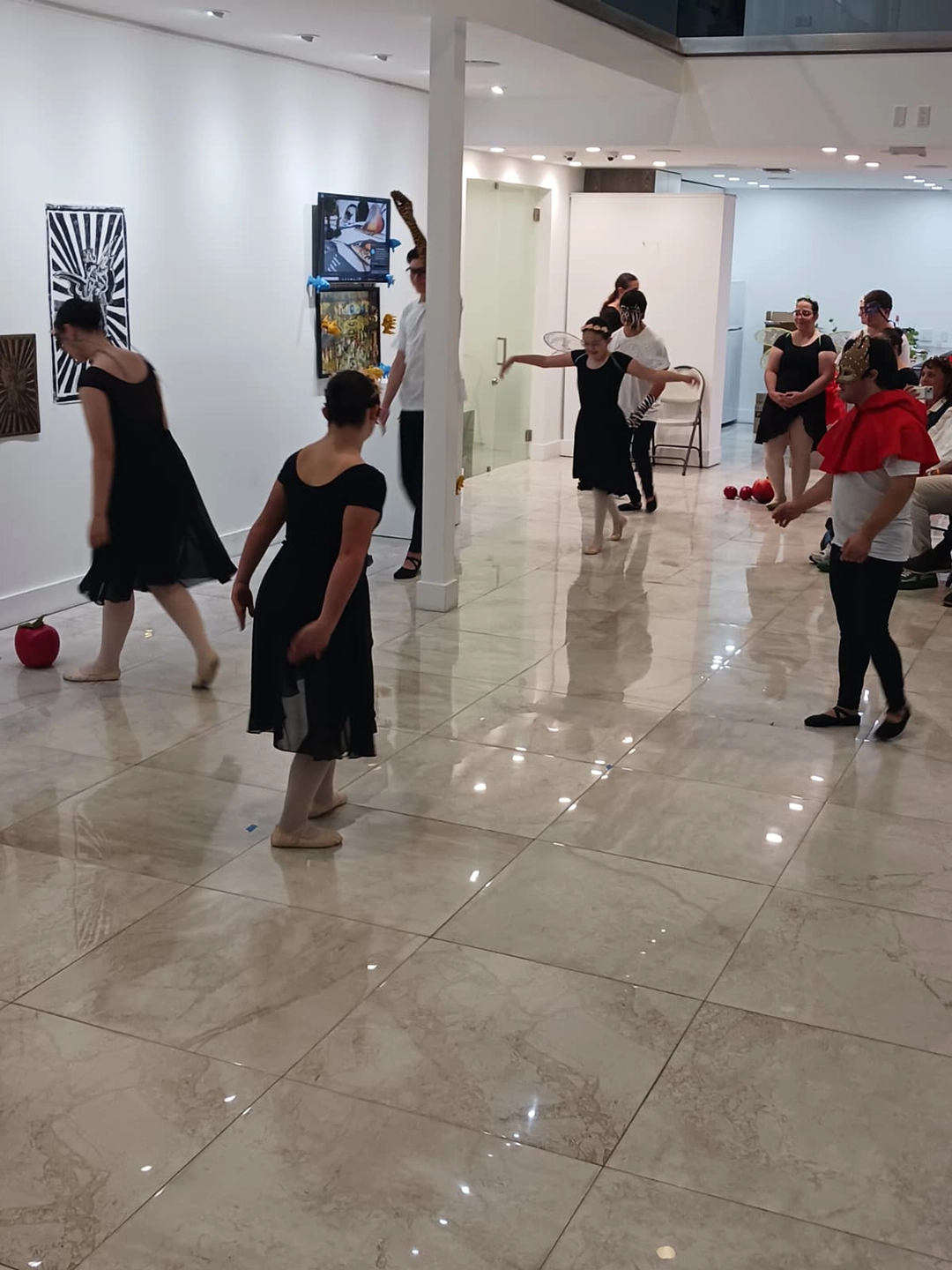
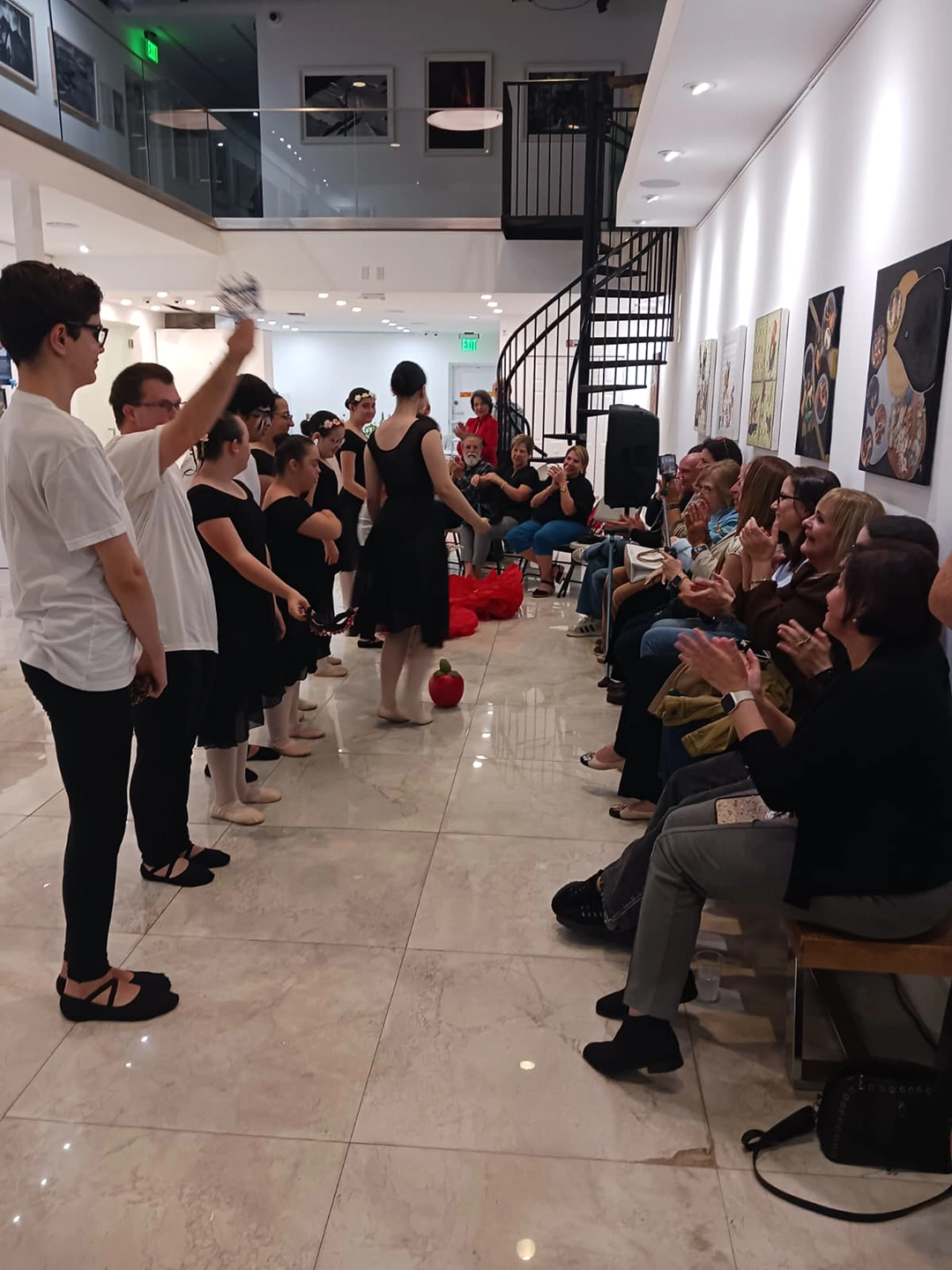

That distinction is crucial. Too often, the language of accessibility in the arts settles for sentiment—for the warm reassurance that access is “important,” without asking what access actually means when the art begins. But the history and structure of ITP suggest something more demanding. Area Stage reports that the program now serves approximately 175 participants a year, offers classes both onsite and through partner schools, mounts two musical productions and twelve outreach performances annually, and reaches roughly 10,000 people per year. It also states that the organization hosts the first Royal Academy of Dance ballet curriculum in the United States for neurodiverse dancers. These are not the metrics of a symbolic initiative. They are the infrastructure of a sustained cultural practice.
To understand why that gave the MOCAA event unusual weight, it helps to look at the institutional lineage behind it. Area Stage, founded in 1989, has long occupied a distinctive place in South Florida’s cultural life, developing professional productions alongside educational programming. The Inspire Theatre Project emerged from that broader ecosystem, but it also altered it, insisting that artistic excellence and neurodiversity were not separate conversations. Area Stage’s own leadership structure reflects that continuity: Maria Banda-Rodaz serves as Executive Director, while Irma Becker, who leads ITP, brings to the role a background in special education, dance pedagogy, and adaptive arts instruction.
In recent years, that work has gained not only visibility but institutional validation. In January 2025, the National Endowment for the Arts awarded Area Stage $20,000 in support of the Inspire Theatre Project, a grant that recognized the program as part of a national ecology of arts access and community-building. The significance of that support is not merely financial. It places ITP within a broader American conversation about who is permitted to train seriously, perform publicly, and be seen not as the object of accommodation, but as a maker of culture.
The same pattern appears at the municipal level. In December 2025, the City of South Miami publicly highlighted its collaboration with Area Stage around accessibility and inclusive artistic participation, linking that work to the city’s Unique Abilities Board, chaired by Maria Banda-Rodaz. That civic relationship helps explain why events like the one at MOCAA resonate beyond the walls of a single museum or theatre organization. They are not isolated gestures. They are the public face of a community-wide effort to redefine participation, visibility, and cultural citizenship.
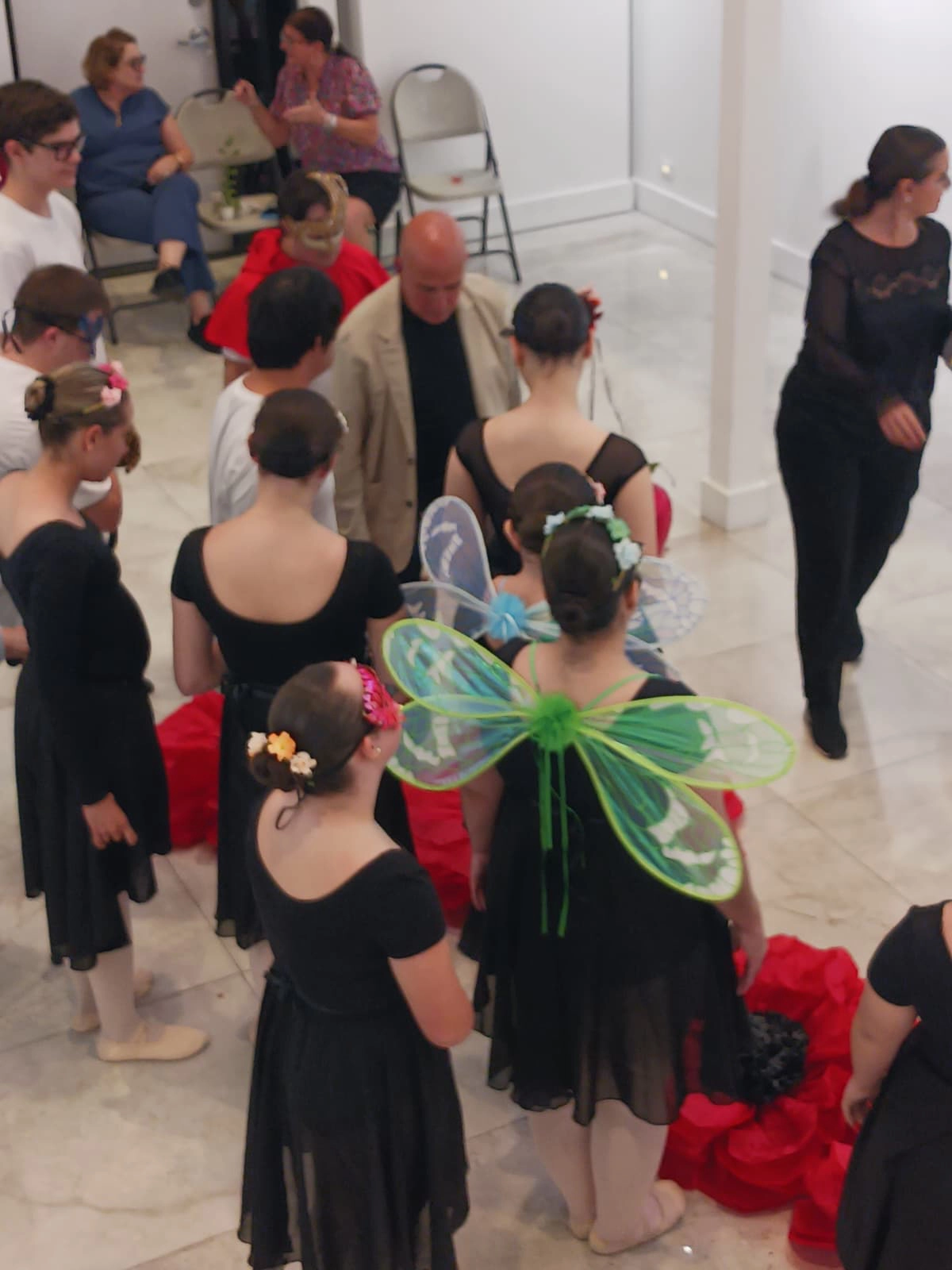
Seen in that light, the closing ceremony at the Museum of Contemporary Art of the Americas becomes especially meaningful. Museums often speak the language of diversity and inclusion, but their deepest structures can remain stubbornly unchanged: the artwork is framed, the body is disciplined, the audience is told—subtly or explicitly—how to look. What happened at MOCAA unsettled that arrangement. Here, the dancers did not simply appear in the museum; they altered the museum’s function. They animated a visual world through neurodiverse presence and movement, asserting that access is not just the ability to enter an institution, but the power to reshape its aesthetic and emotional grammar from within.
That is why the event deserves to be understood as more than a closing ceremony. It was, in effect, a small but forceful statement about the future of cultural institutions in South Florida: that inclusion is not a department, not a side program, not an outreach checkbox, but a formal and civic principle. At the Museum of Contemporary Art of the Americas, a museum exhibition inspired by Bosch found its final expression in living bodies—disciplined, imaginative, neurodiverse bodies—moving through the symbolic terrain of contemporary art and claiming it as their own.
And perhaps that is the most important thing the evening revealed. Art accessibility, when taken seriously, does not dilute art. It intensifies it. It widens the field of who can carry metaphor, who can inhabit beauty, who can give public form to imagination. At MOCAA, the closing of The Garden of Earthly Delights did not feel like an ending. It felt like a correction—graceful, overdue, and impossible to mistake.
