


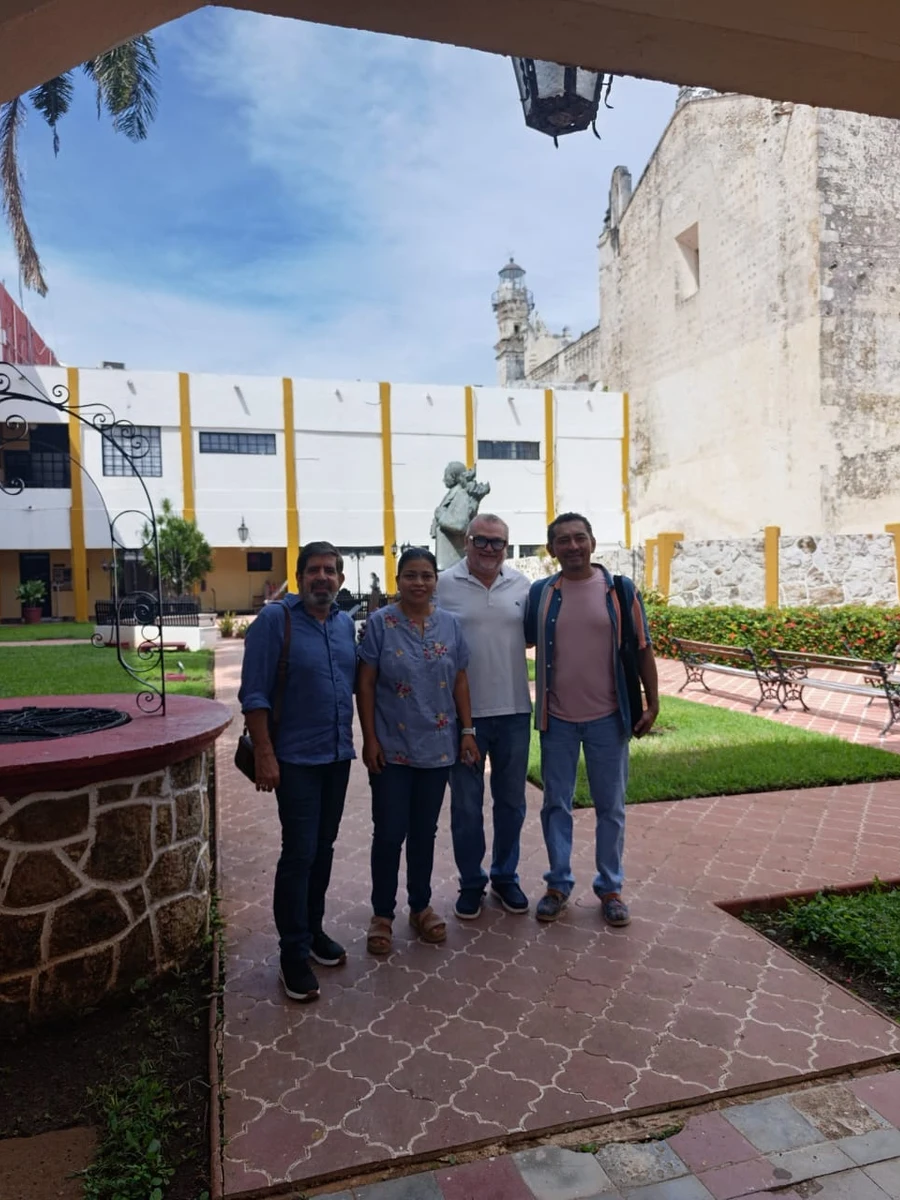
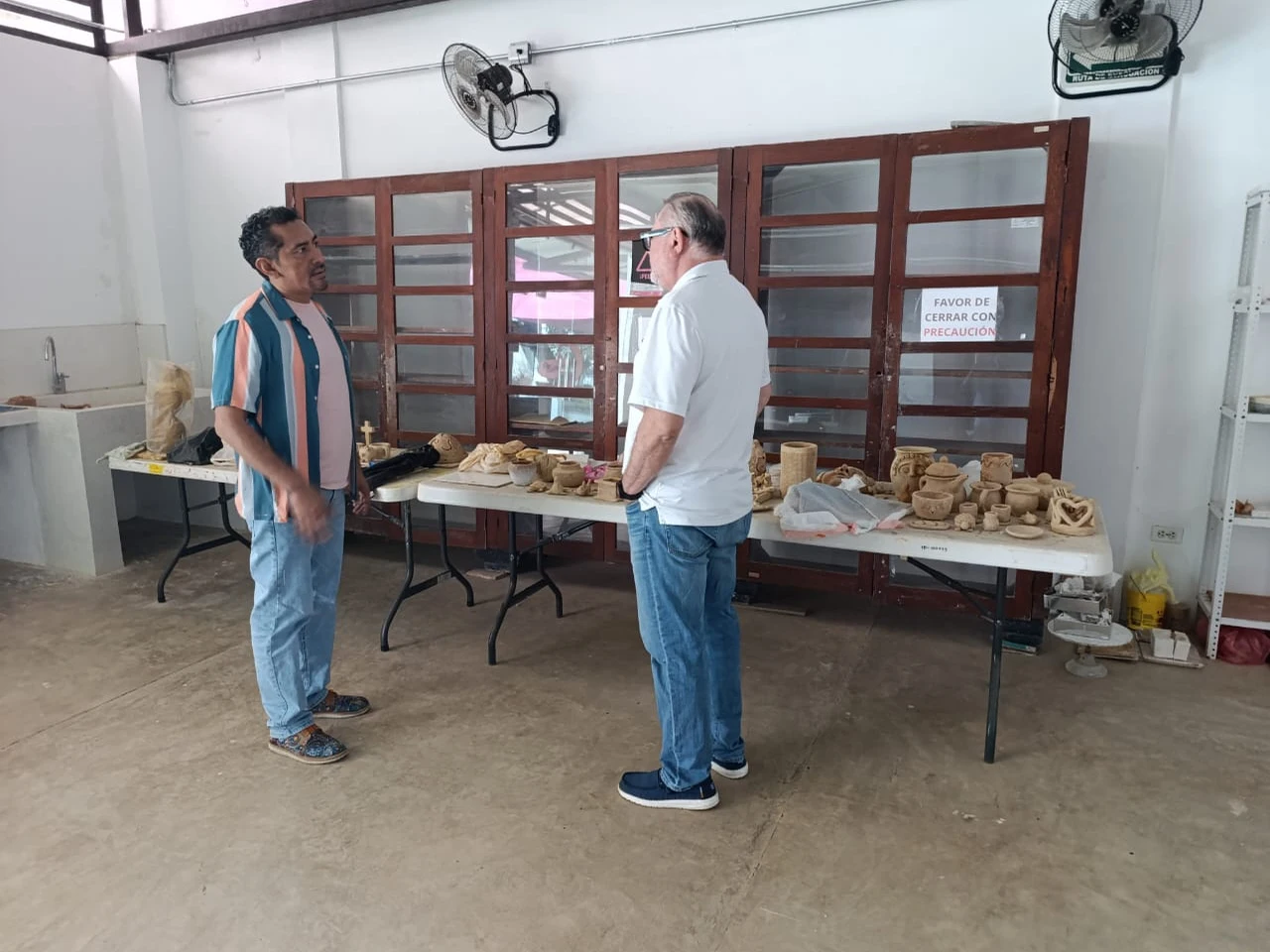
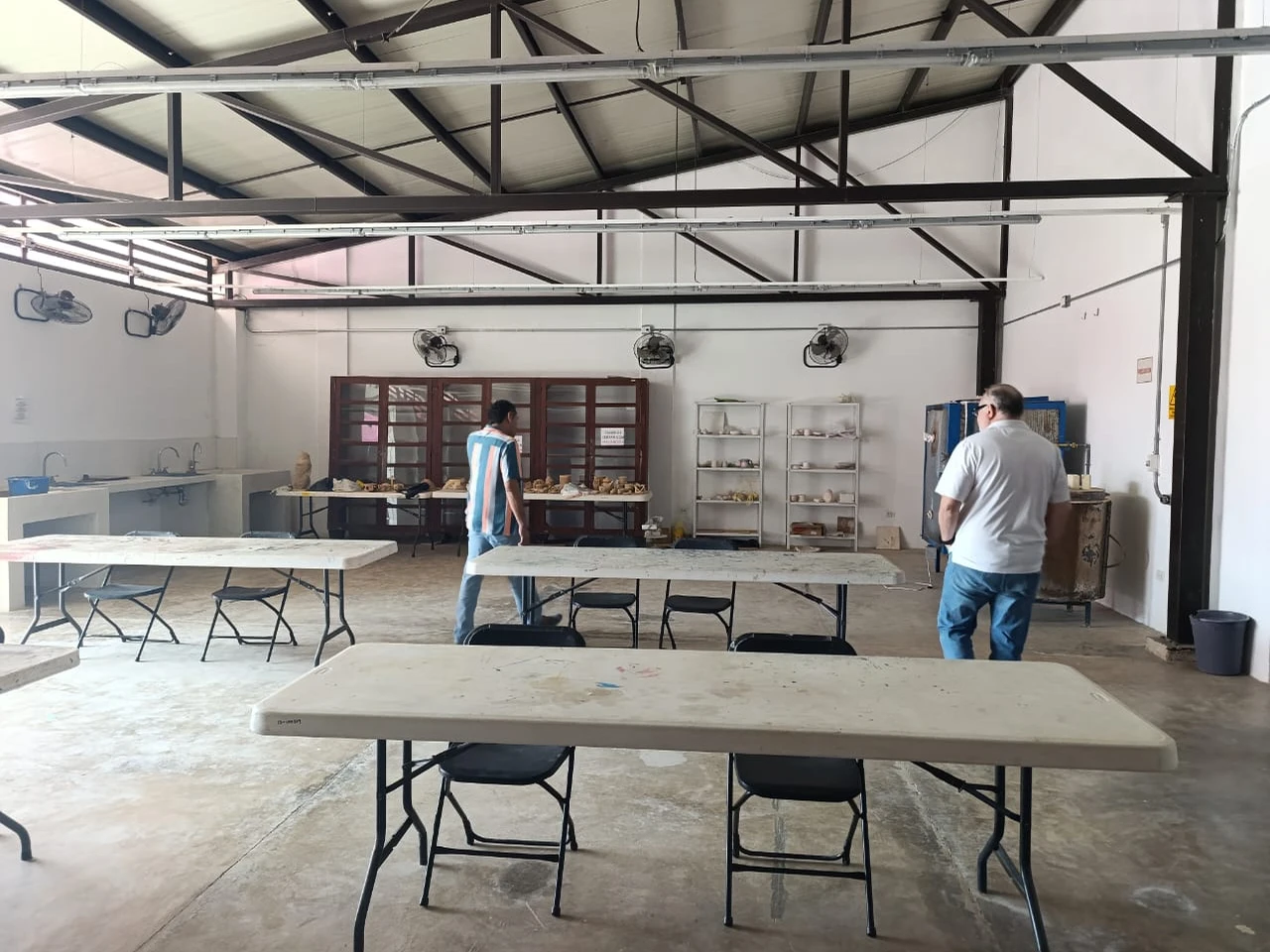
Mexican artist and professor Javier Barrera and Cuban art critic and curator David Mateo, representing the Campus of Architecture, Habitat, Art and Design of the Autonomous University of Yucatán (UADY) and the Museum of Contemporary Art of the Americas (MoCAA), respectively, recently made a working tour of the Instituto Campechano and La Arrocera Center for Visual Arts Training and Production, both located in the city of Campeche.
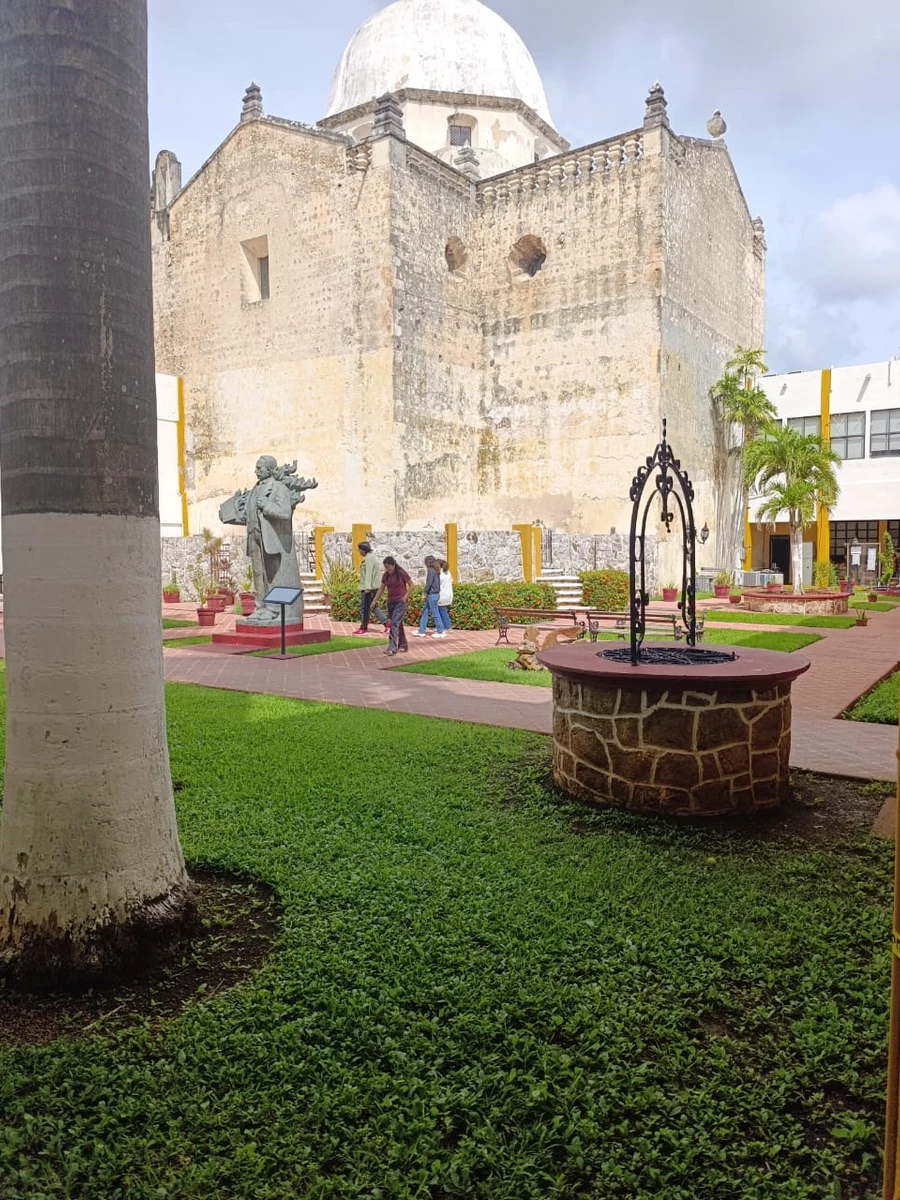
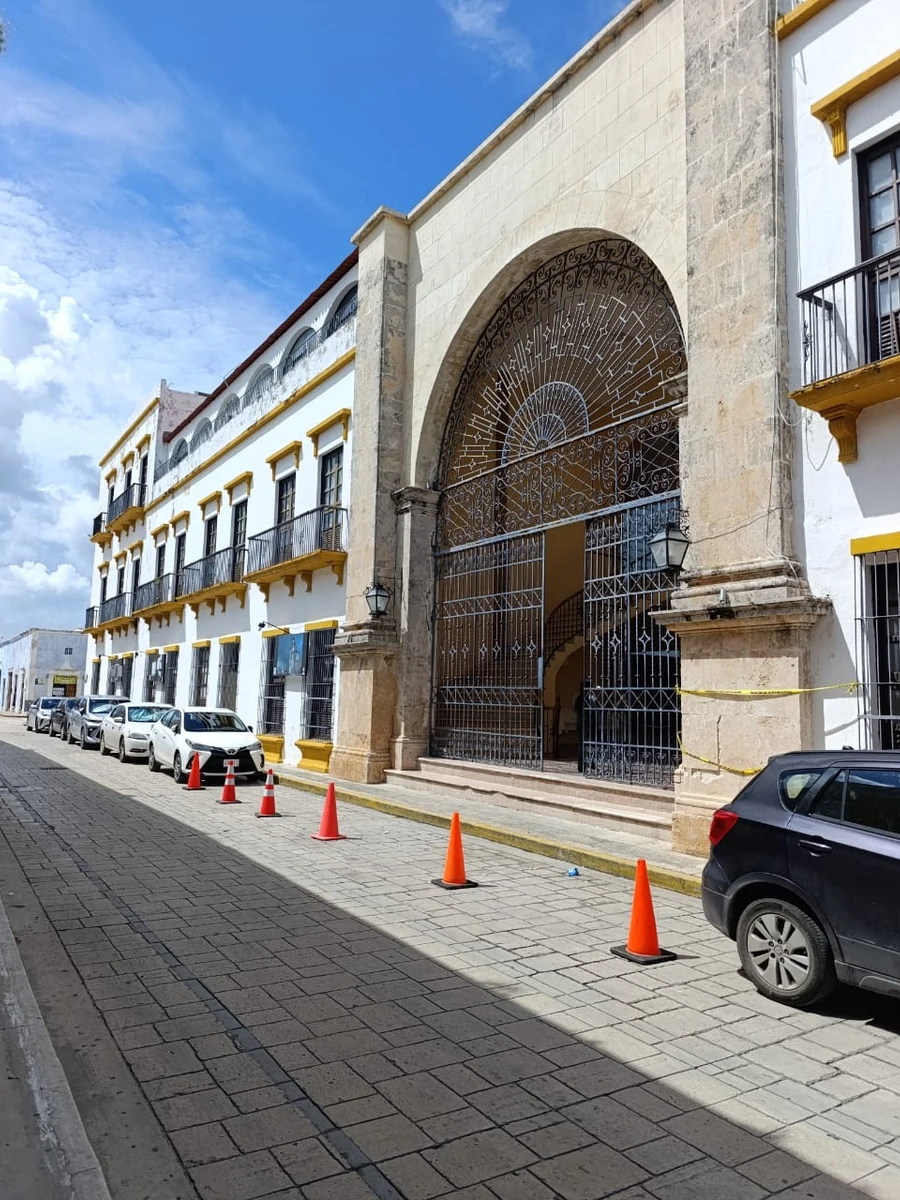
The main purpose of the visit was to coordinate the upcoming presentation of artist Ivonne Ferrer’s solo exhibition, “Geometrías habitadas: cuerpo, espacio y arquitectura,” at the Domingo Pérez Piña Gallery of the Instituto Campechano, scheduled for February 2027. The exhibition was previously shown, between September and October 2026, at the gallery of the Campus of Architecture, Habitat, Art and Design (CAHAD) in Mérida, as part of the commemorative program for the 53rd anniversary of the founding of said school and the twentieth anniversary of its Visual Arts program.
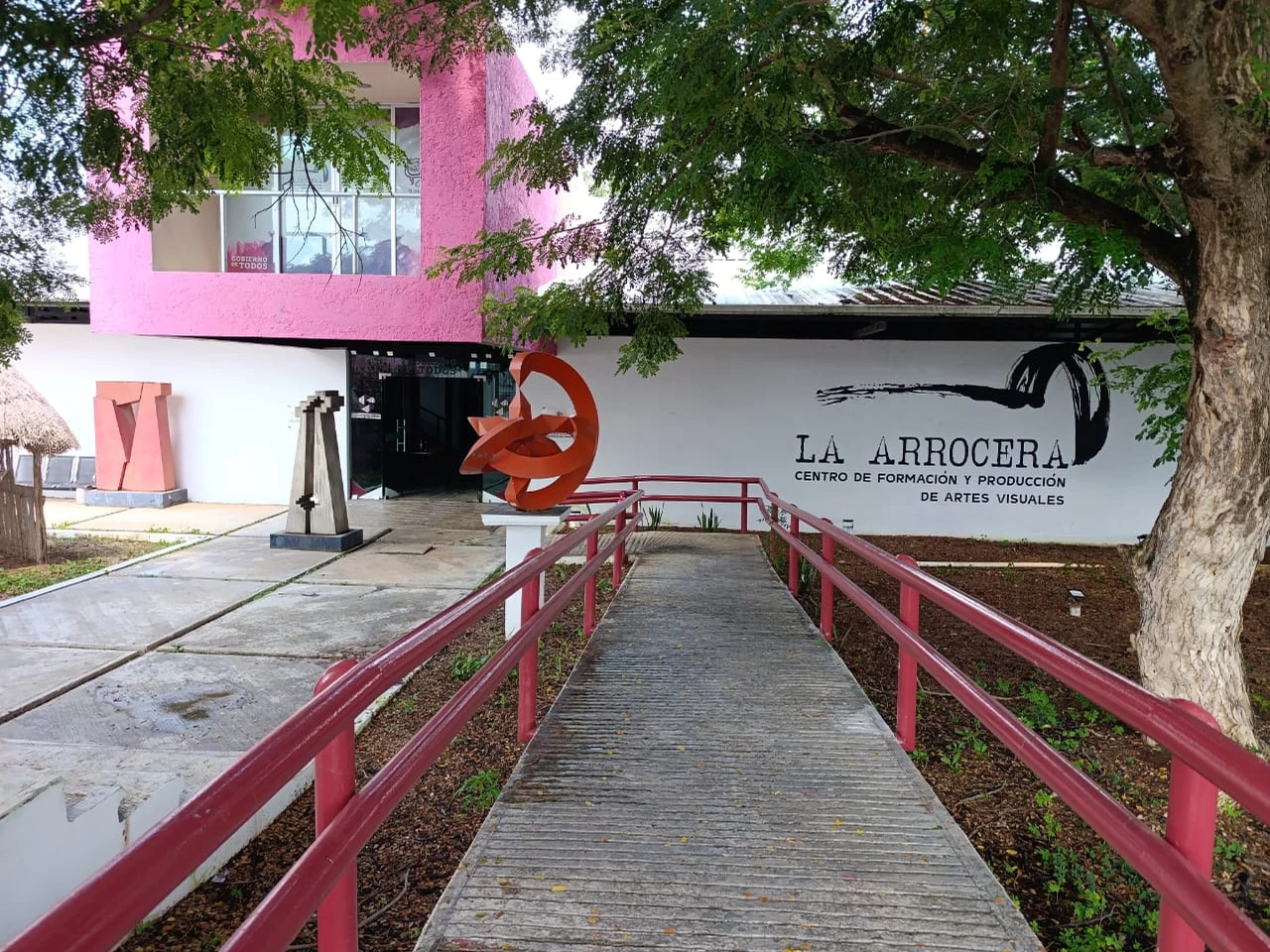
During their stay in Campeche, Javier Barrera and David Mateo also took the opportunity to hold a meeting with Luis David Canul Suárez, known as «Pájaro Tooj», artist and director of La Arrocera Center for Visual Arts Training and Production. During the exchange, they assessed possible initiatives for collaboration and professional exchange between this important cultural space, the university institution in Mérida and MoCAA, based in Florida.

On the curatorial level, Ivonne Ferrer’s exhibition proposes a reading of the relationships between body, space and architecture as a system of communicating vessels. It is a web of correspondences in which the intimate can acquire a social dimension and vice versa; where the geometric becomes a symbolic conduit toward sensitive and emotional territories, while also functioning as an articulating resource for technical and compositional processes.
The presence of so called «sacred geometry» in her paintings organizes and refracts the artist’s experience, making visible some of the tensions that run through her existence: dependence and autonomy, intimacy and exposure, individual identity and collective condition. In this way, geometry transcends its formal condition to become a structure of meaning from which Ivonne Ferrer explores the complexities of human experience.
