


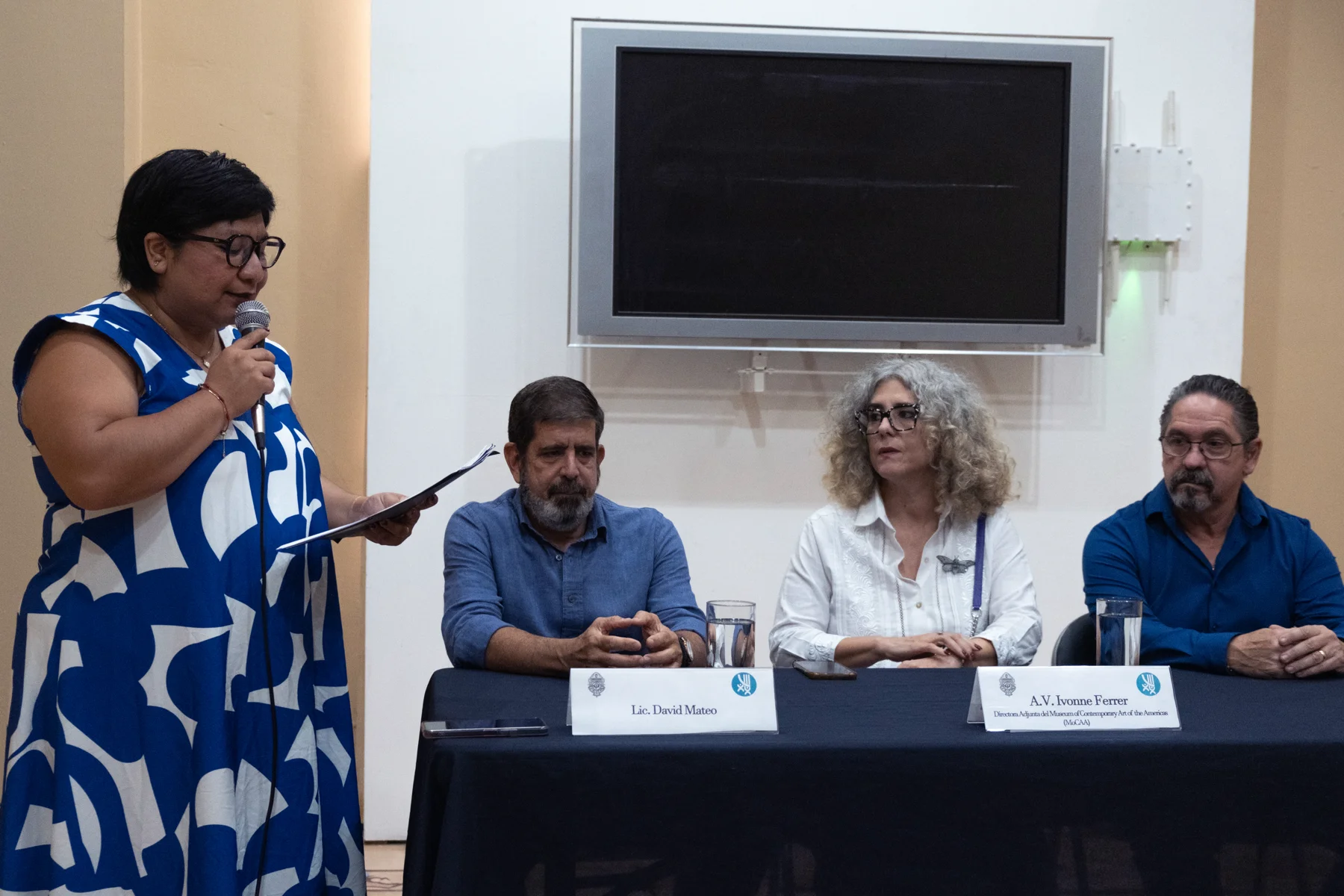
As part of the opening program for the exhibition "Colección MoCAA en Yucatán," Leonardo Rodríguez, founder and general director of the Museum of Contemporary Art of the Americas (MoCAA); Ivonne Ferrer, director of MoCAA; and David Mateo, art critic and MoCAA representative in Yucatán, gave a lecture for students, professors and art specialists. They discussed the history and working dynamics of the Florida museum, how its collection was built over time, the curatorial projects and exhibitions it has developed to date, and the new international exchange strategies it is already carrying out with Mexico, in which Mérida, Yucatán, now holds a priority place.
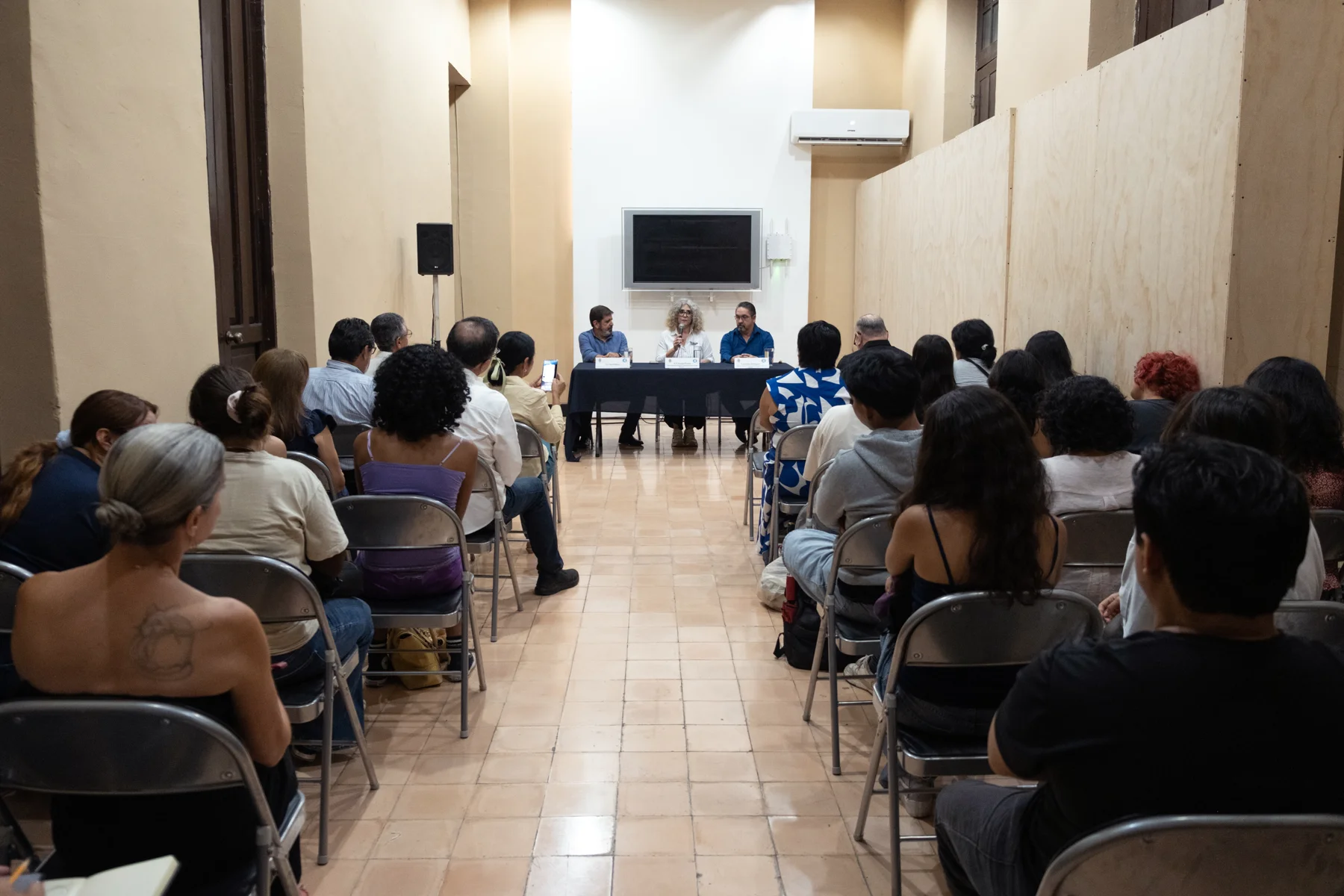
Leonardo Rodríguez and Ivonne Ferrer agree that the exchanges MoCAA is currently developing with the Universidad Autónoma de Yucatán (UADY) are an important platform for building professional ties between the Florida art scene and Latin American cultural circuits. Beyond the purely exhibition side, these initiatives support the movement of artists, curators, researchers and institutional projects, and help establish channels of communication that go beyond geographic borders.

Curator and art critic David Mateo praised the reception in Mérida of the two projects MoCAA is currently presenting: "Colección MoCAA en Yucatán" and "Geometrías habitadas. Cuerpo, espacio y arquitectura en la obra de Ivonne Ferrer." Both have drawn notable interest from Yucatán's cultural leaders and the university community, opening spaces for dialogue around contemporary Cuban art. Showing a selection from the museum's permanent collection alongside an exhibition devoted to the current work of one of its signature artists also highlights two complementary sides of its mission: preserving and circulating an artistic heritage, and encouraging new readings, exchanges and creative processes.

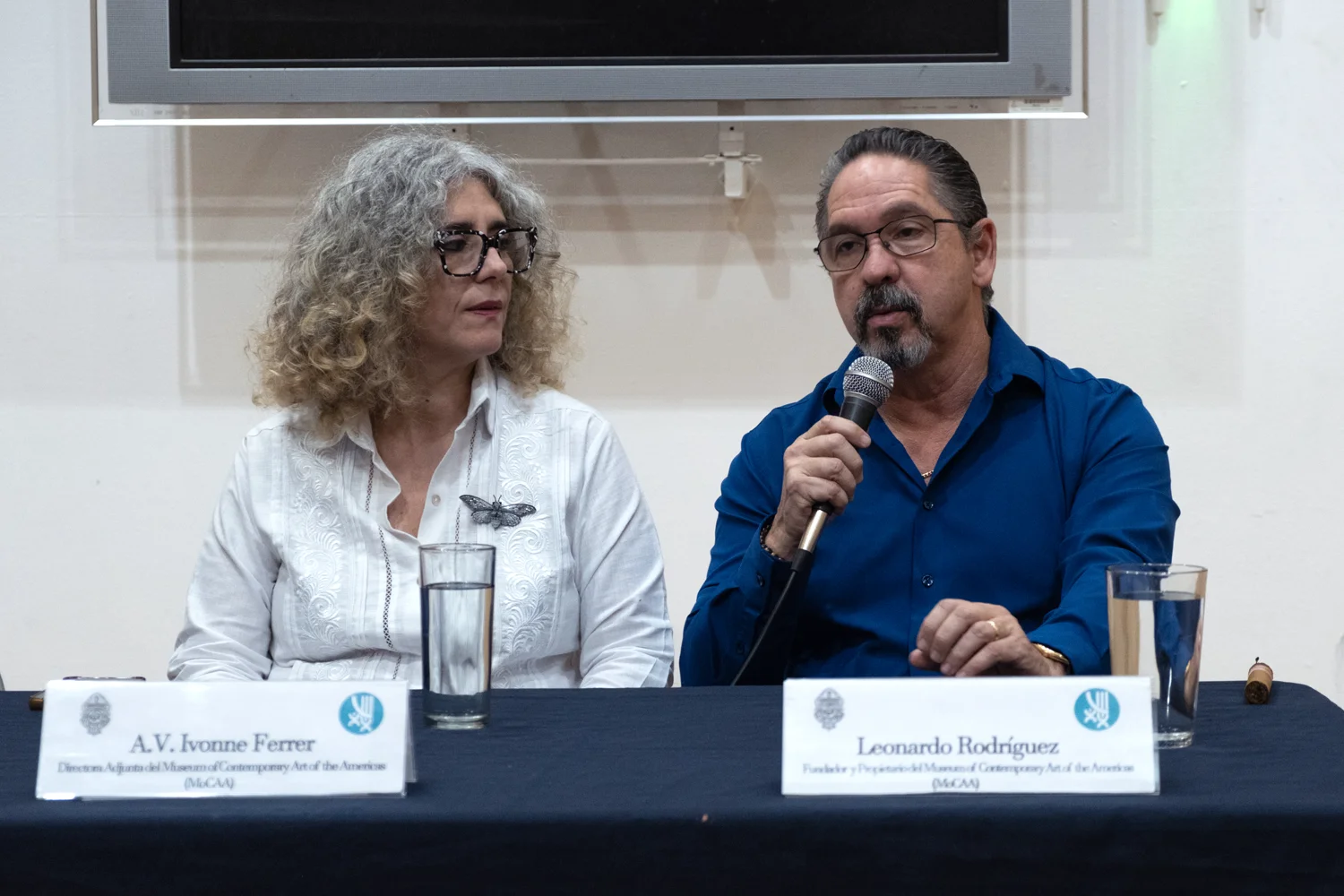
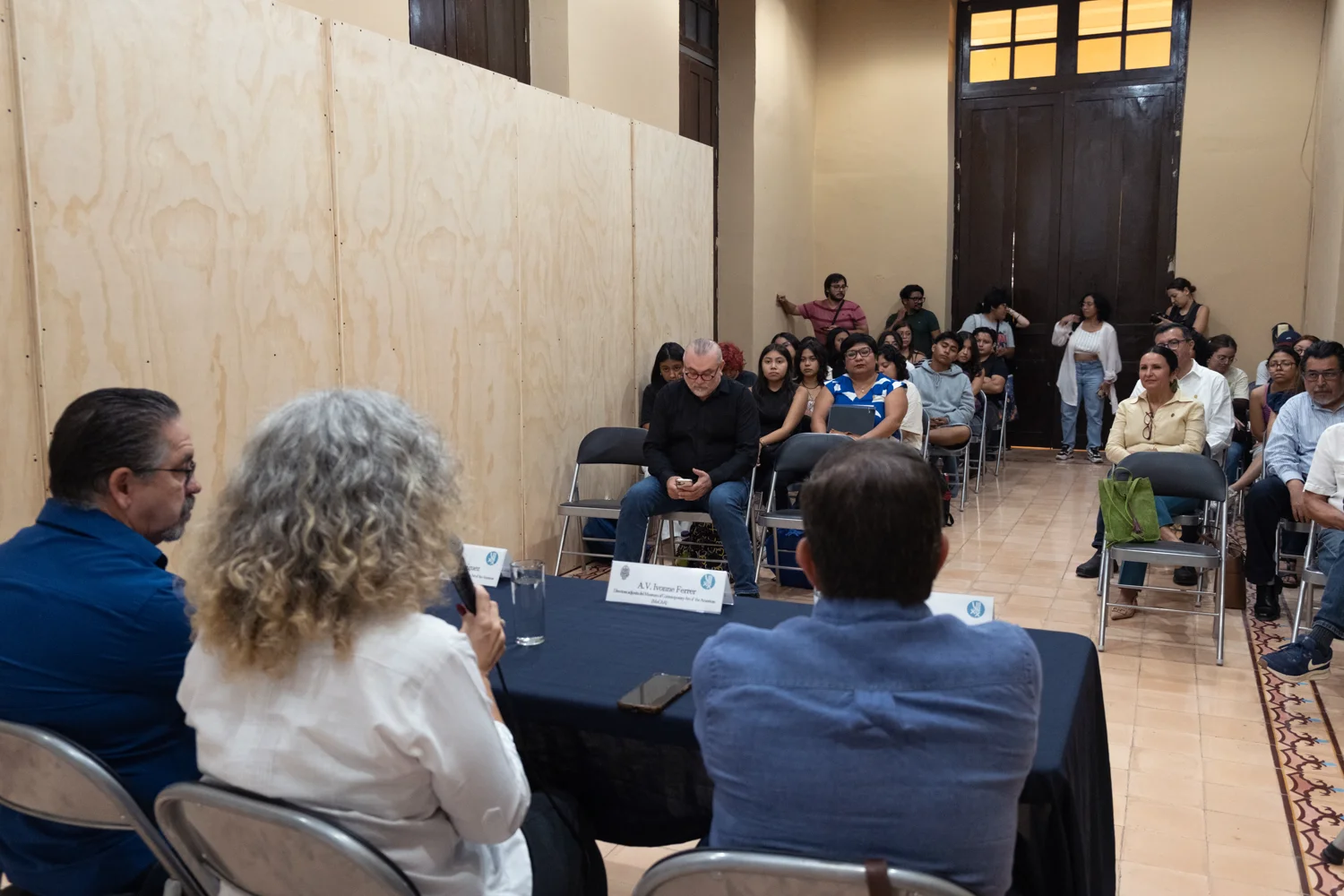
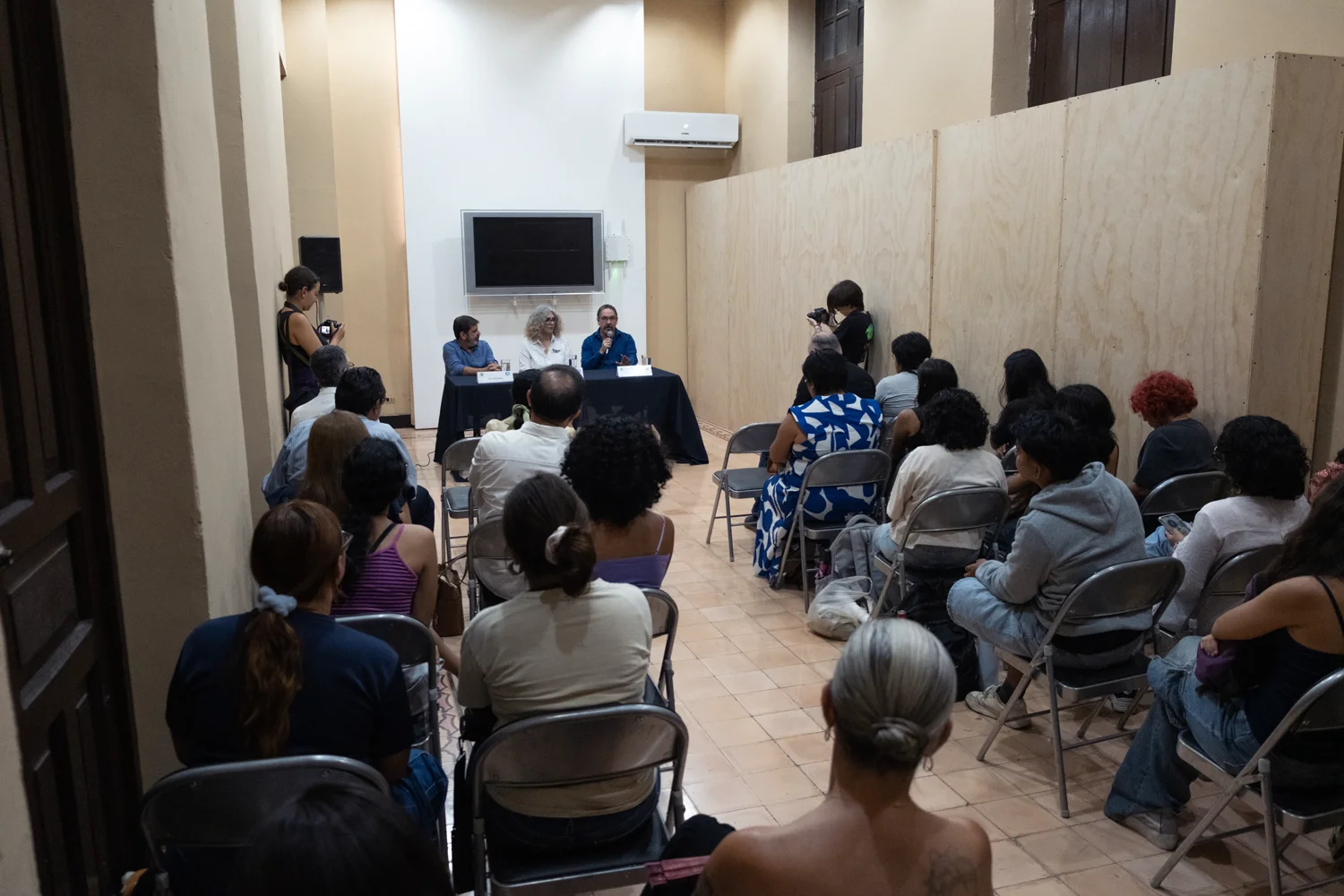
Without a doubt, MoCAA's experience in Mérida can be seen as the starting point for a broader cooperation effort. MoCAA is beginning to build a network of professional and institutional relationships that can lead to new traveling exhibitions, research, gatherings and collaborations in other Latin American settings. This ability to build bridges, spark conversations and bring different cultural experiences into circulation is one of the most significant aspects of the new stage of international outreach the museum is now carrying out.