


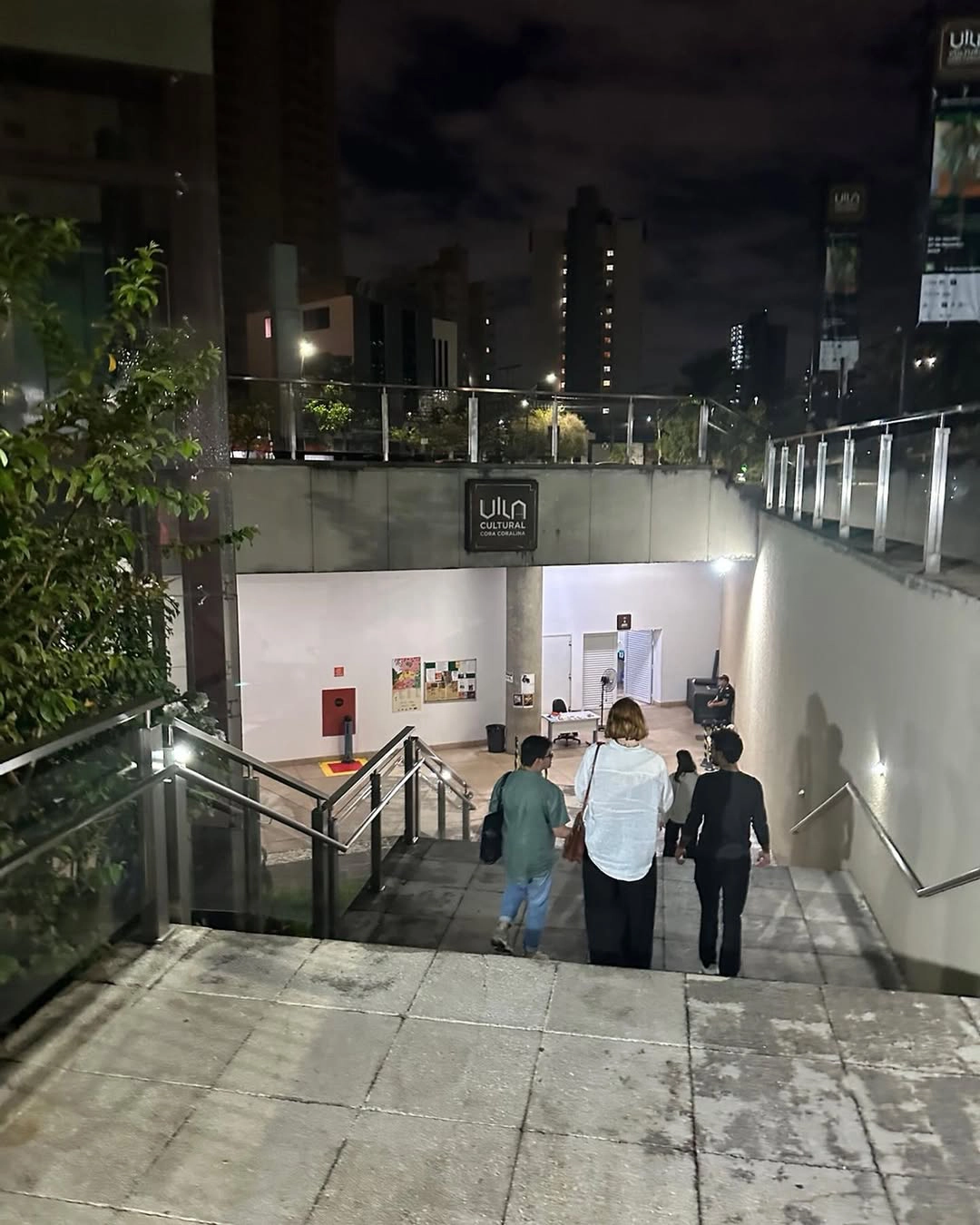
In the early evening of Tuesday, October 21, 2025, the Grande Sala of the Vila Cultural Cora Coralina in Goiânia welcomed the opening of Caminhos de Terra e Vento (“Paths of Earth and Wind”), a major cultural initiative bridging the art worlds of central Brazil and South Florida. The exhibition—conceived by the Instituto Urukum in partnership with the Museum of Contemporary Art of the Americas (MOCAA), Miami—brought together over 100 works by more than 90 artists. Its inauguration was framed as a symbolic gesture, affirming the audacity of networks that transcend regional boundaries and reposition the American continent’s art institutions in collective dialogue.
From the outset, the show’s institutional architecture spoke to its ambition. Financial support from the Government of Goiás via the Programa Goyazes under the auspices of the Secretariat of Culture lent the event both gravitas and public accountability. The curatorship by Dayalis González Perdomo (Miami) and Aguinaldo Coelho (Goiás) further underscored the transnational aspirations: two team-leaders from distinct cultural geographies aligning their vision to create a unified statement on the mobility of artistic identity and place.
The coverage in the Goianian and broader Brazilian press was swift and significant. Leading regional outlets described the exhibition as a nexus where local traditions meet international collections; official government platforms echoed themes of cultural diplomacy and heritage valorization. While exact visitor-counts remain to be tallied, the projected attendance of 12,000 reinforced the notion that this was no niche dialogue—but a public encounter with broad relevance. For the cultural sector in South Florida, these signals are encouraging: they validate the region’s role not only as a host of Latin American art, but as an active interlocutor and partner within the hemispheric arts ecosystem.
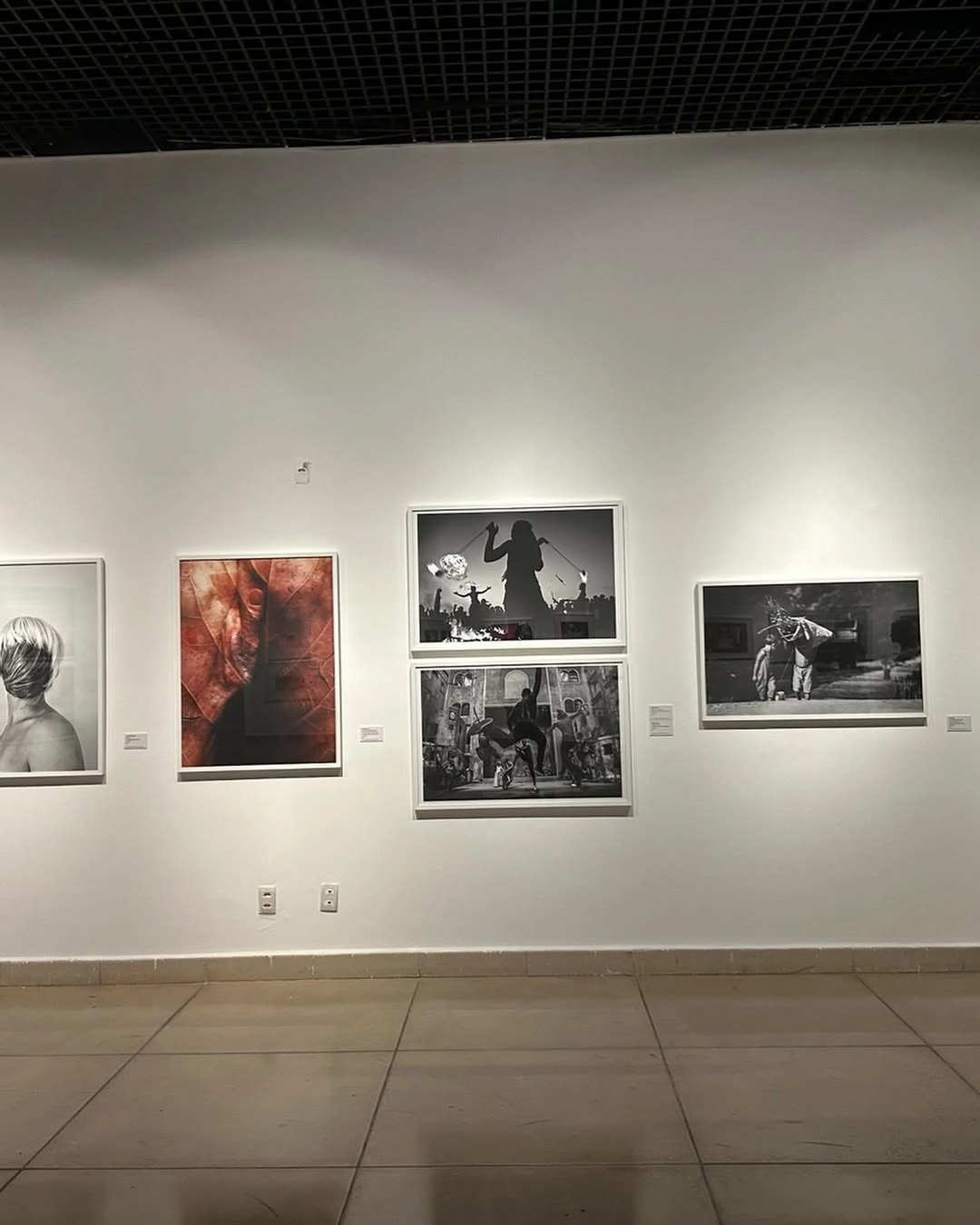
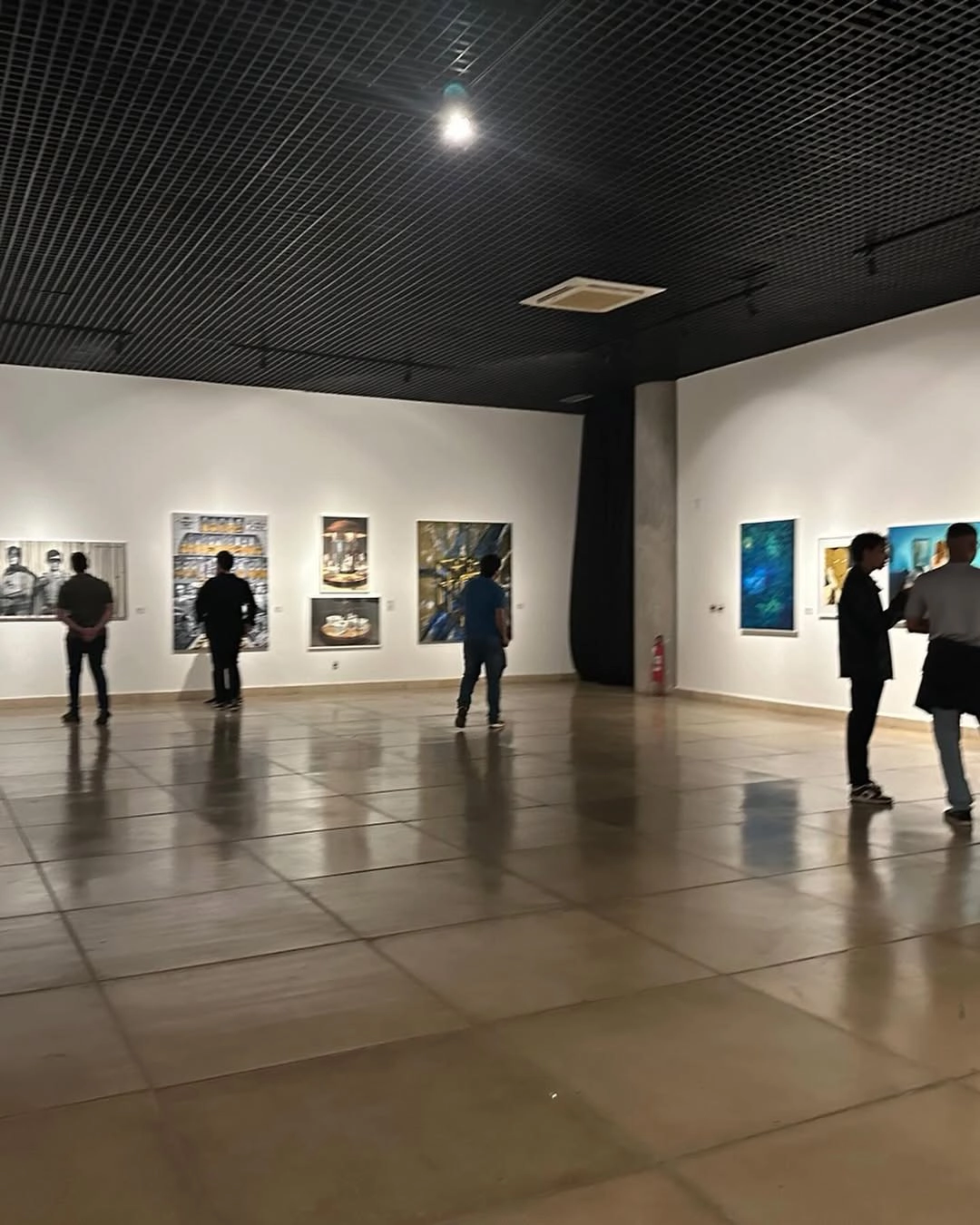
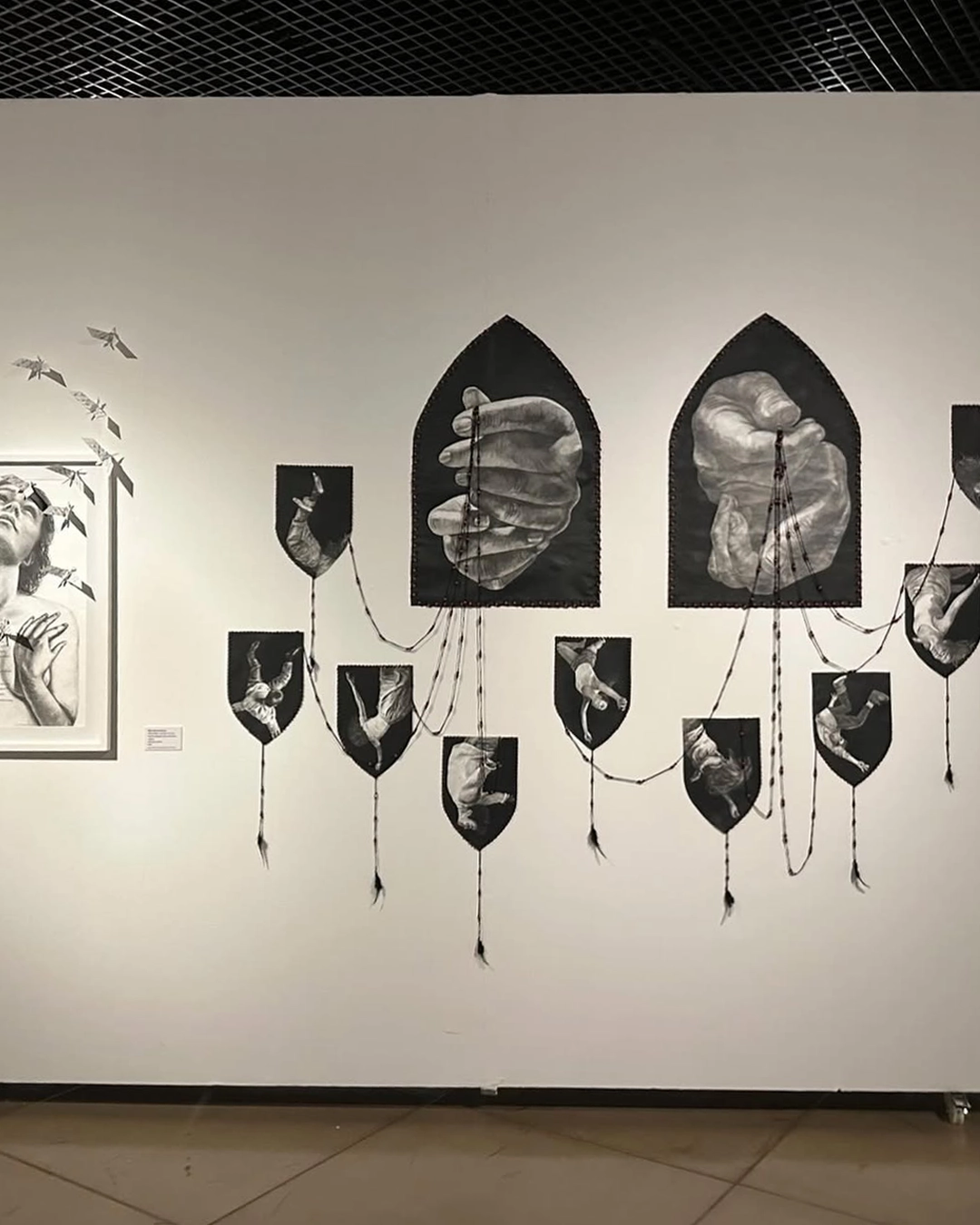
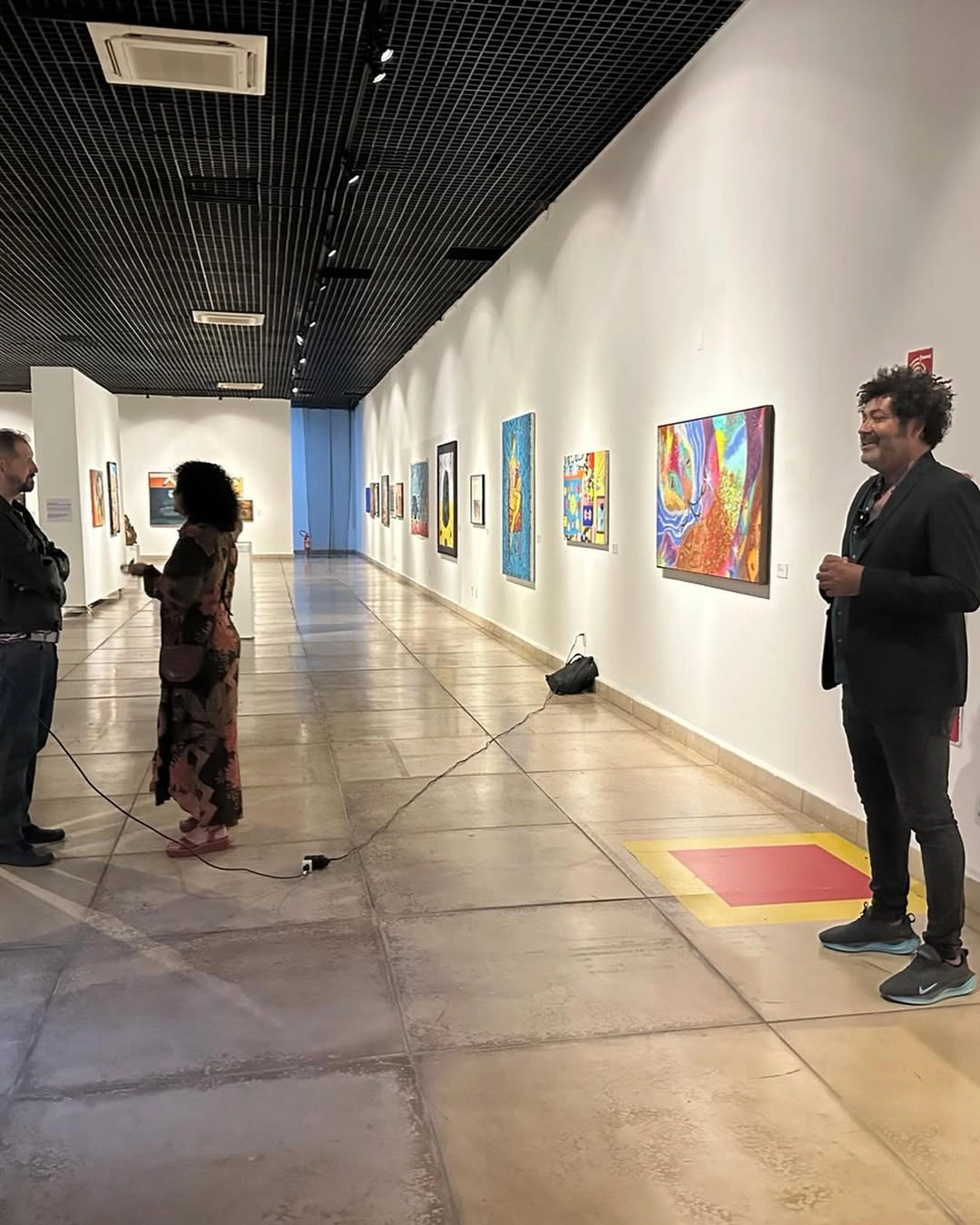
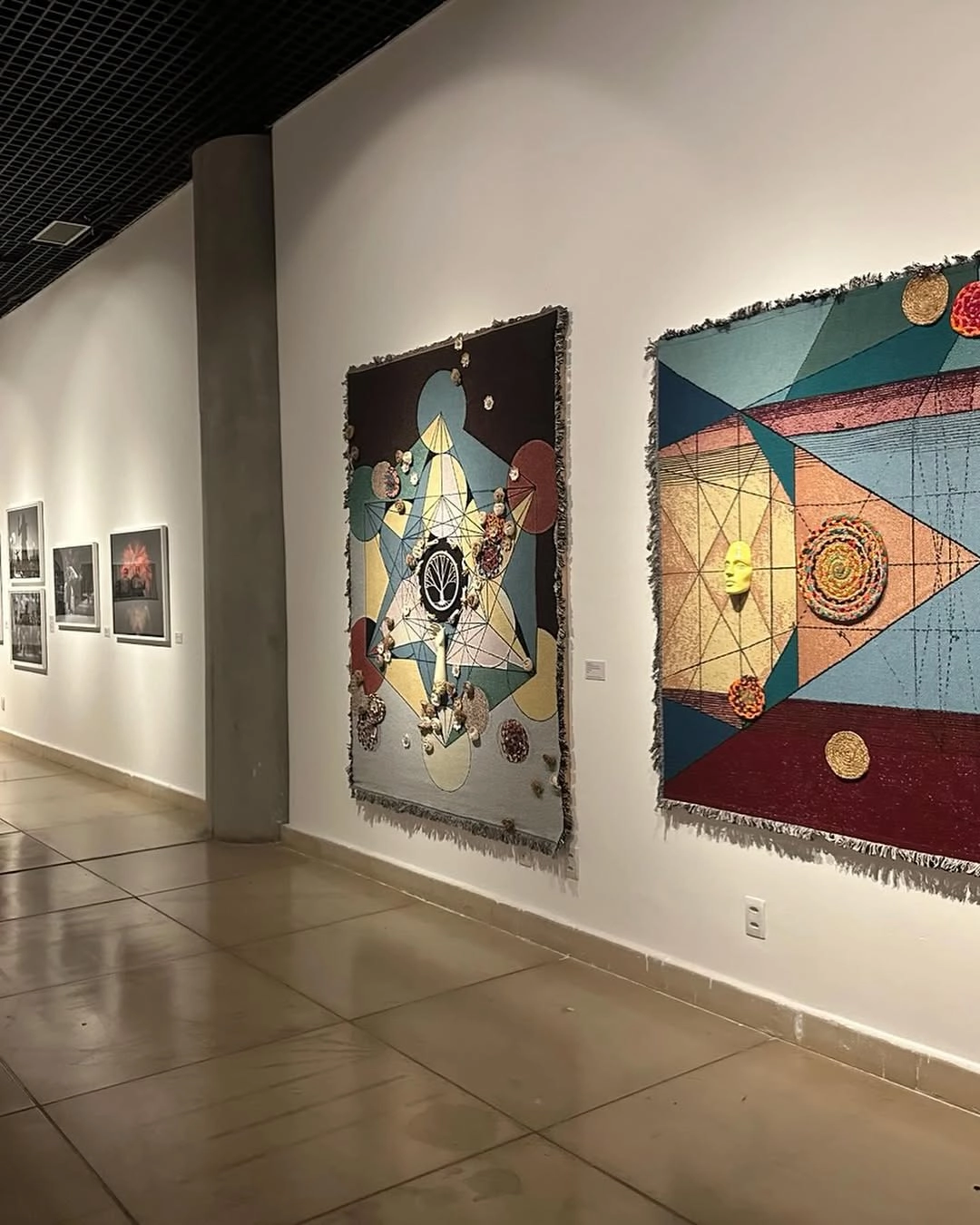

The benefit to the South Florida artistic community is multifaceted. Firstly, the MOCAA’s involvement elevates Miami’s institutional credibility in the realm of Latin American art, reaffirming it as a gateway for regional exchange rather than a mere endpoint. Secondly, the visibility generated by Brazilian media coverage creates ripple effects: collectors, curators, funders and artists in Florida now view such collaborations as viable and resonant. Finally, the project offers a template for future institutional partnerships—rooted in reciprocity and regional agency—that can spur programming, residencies and cross-border exhibitions benefiting the entire South Florida–Latin America corridor.
Politically, the exhibition also matters. At a moment when cultural funding and institutional visibility are under pressure, the success of Caminhos de Terra e Vento signals to policymakers and arts funders in Florida that engagement with Latin America remains fertile ground. The integration of government support from Goiás, public-private partnership, and institutional commitment from Miami demonstrates a model that transcends the episodic exhibition and suggests structural collaboration. For cultural policy advisors, museum boards and philanthropic actors in the region, the message is clear: trans-regional art programmes are not luxury—they are strategic infrastructure.
In sum, Caminhos de Terra e Vento did more than inaugurate a series of works in Goiânia; it inaugurated a renewed proposition for how the Americas create, circulate and recognise contemporary art. It affirmed that South Florida’s art institutions can—and must—be active participants in that shared formation. As the wind carries the dust of the Cerrado outward, so too travels an artistic vision rooted in place, open to the world.
